
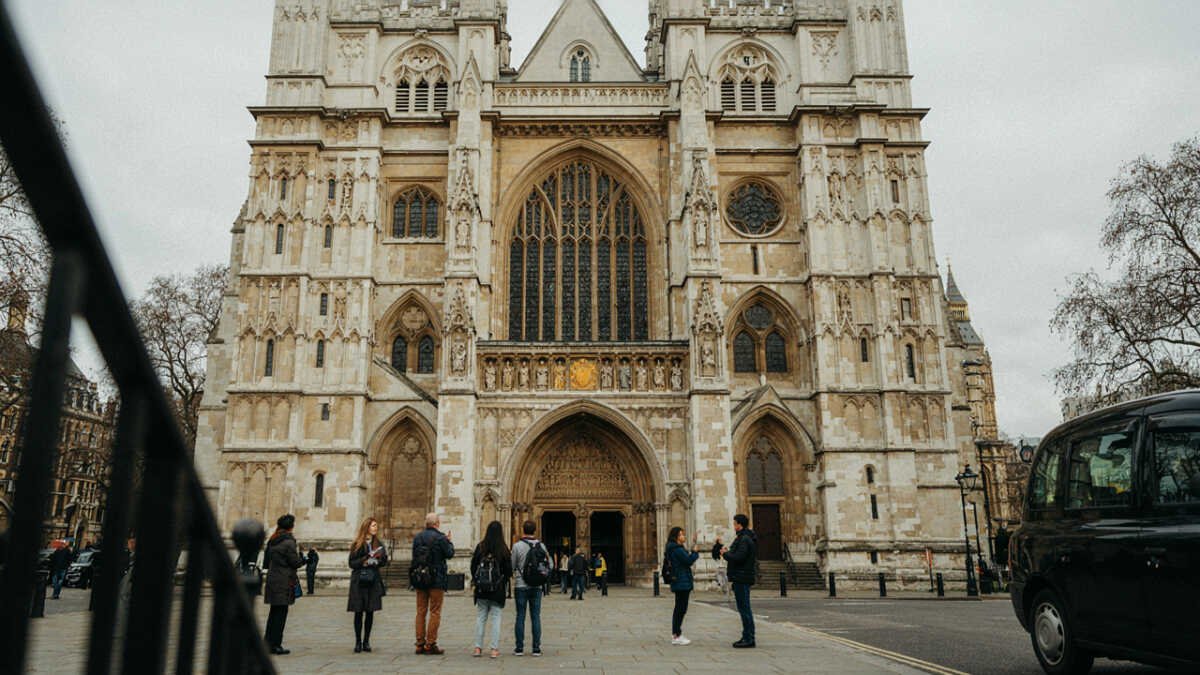
England is home to some of the world’s most famous royal landmarks. From grand palaces and medieval fortresses to historic royal residences, these places offer a fascinating look at the country’s monarchy, architecture, and changing history. If you are planning an England trip in 2026, adding a royal landmark to your itinerary is a great way to experience something beyond the usual city attractions. Some are still connected with the Royal Family today, while others tell stories stretching back hundreds of years. Here are 15 royal landmarks in England you should visit, along with what makes each one special and what to know before going.
1. Windsor Castle
Location: Windsor, Berkshire
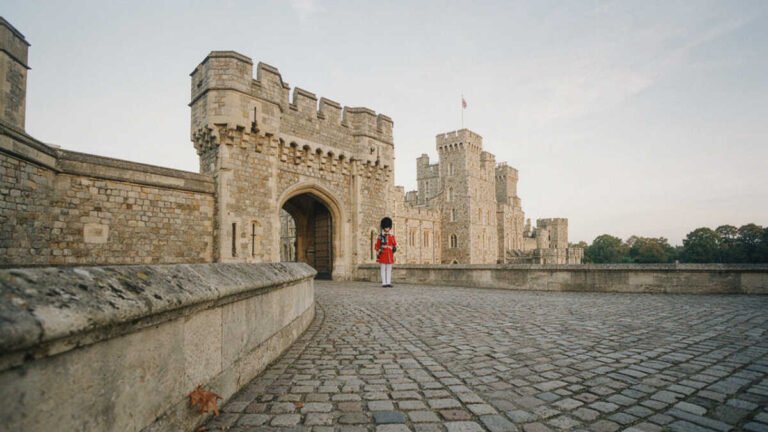
Windsor Castle is one of the first places I would recommend to anyone interested in England’s royal history. It is not just an impressive castle to look at from the outside—it has been a royal residence for centuries and remains an official residence of the King.
The castle was founded by William the Conqueror in the 11th century and has been home to 40 monarchs. It is also the oldest and largest occupied castle in the world. St George’s Chapel within the castle grounds is another major highlight and is the burial place of Queen Elizabeth II.
Some of the main highlights include:
- The State Apartments
- St George’s Chapel
- The castle grounds
- Historic royal collections
- The famous views across Windsor
- The Changing of the Guard on selected days
- One useful tip is to allow around 2.5 to 3 hours for your visit. Windsor Castle currently opens to visitors five days a week, from Thursday to Monday, although opening arrangements can change.
- Why visit: Windsor Castle combines living royal history, medieval architecture, beautiful grounds, and centuries of royal stories in one remarkable place.
2. Buckingham Palace
Location: London
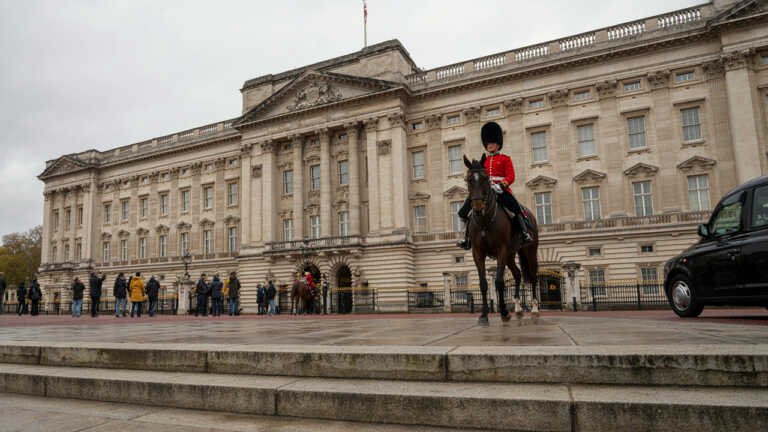
Few royal landmarks are as instantly recognisable as Buckingham Palace. Located in the heart of London, it is the King’s official London residence and remains a working royal palace.
The palace has served as the official London residence of the UK’s monarch since 1837. It is also one of the main locations associated with national celebrations and the famous Changing the Guard ceremony.
The most exciting part for visitors is that the palace does open its doors to the public at selected times. In 2026, the State Rooms are scheduled to be open from 9 July to 27 September, while other limited tours may be available at different times.
Depending on the type of visit, you may be able to explore:
- The State Rooms
- The Grand Staircase
- The Throne Room
- The Blue Drawing Room
- The Green Drawing Room
- The Palace Garden
- Royal exhibitions and displays
- The Changing the Guard ceremony is another popular experience, but it is worth checking the official schedule before planning your day because ceremonies can be affected by weather, events, and other circumstances.
- For dates, tickets, and visitor rules, use the Royal Collection Trust’s Buckingham Palace visitor guide.
- Why visit: Buckingham Palace gives visitors the chance to see one of the world’s best-known royal residences and learn more about the modern British monarchy.
3. Tower of London
Location: London
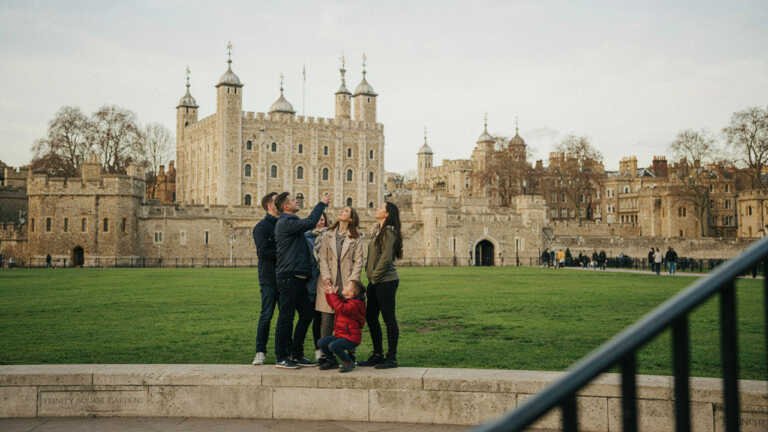
The Tower of London is very different from Buckingham Palace. Instead of feeling like a grand ceremonial residence, it feels like a place where England’s complicated medieval history comes alive.
The White Tower was built by William the Conqueror after the Norman Conquest and became the centre of a much larger fortress and royal complex. Over the centuries, the Tower served as a fortress, royal palace, prison, armoury, treasury, and repository for important state possessions.
Today, it is one of England’s most important historic attractions and a UNESCO World Heritage Site.
Visitors can explore several parts of the complex, including:
- The White Tower
- Medieval royal buildings
- Tower Green
- The historic defensive walls
- The Crown Jewels exhibition
- Exhibitions about the Tower’s prisoners and history
- The Tower’s long history is one of its biggest attractions. Its stories involve kings, queens, political conflicts, royal prisoners, and major changes in English history.
- Why visit: If you want a royal landmark with a strong medieval atmosphere and layers of English history, the Tower of London is difficult to beat.
4. Hampton Court Palace
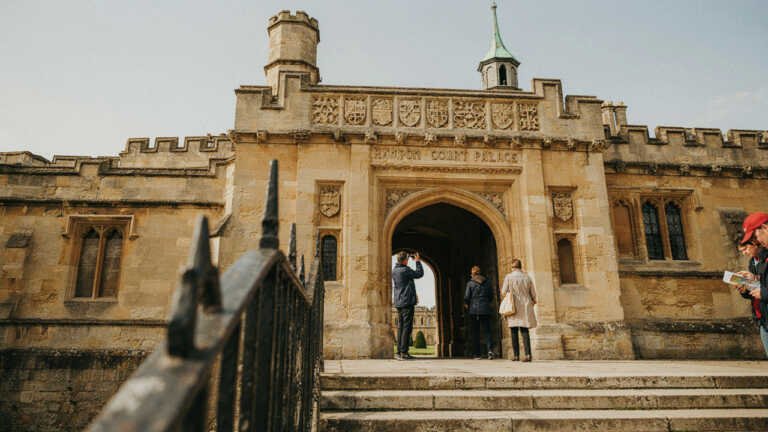
Location: Hampton Court, Surrey
Hampton Court Palace is one of the best places in England to step back into the Tudor period. The palace is especially associated with King Henry VIII, although its story began before his reign.
The palace was originally developed by Cardinal Thomas Wolsey before Henry VIII took it over and expanded it dramatically. Much of the surviving Tudor architecture, including the Great Hall, gives visitors an idea of the scale and ambition of the royal court during the 16th century.
There is plenty to explore here, including:
- The Great Hall
- Tudor kitchens
- The Chapel Royal
- Historic royal apartments
- Palace gardens
- The famous Hampton Court Maze
- Tudor and later royal collections
- One of the things I like about Hampton Court is that it does not feel like a single-period museum. Different parts of the palace reflect different stages of its history, making a visit more interesting for anyone who enjoys architecture and historical stories.
- The palace and gardens are also officially protected as a Scheduled Monument, reflecting their importance as a historic royal complex.
- Before travelling, check the Historic Royal Palaces website for Hampton Court Palace for current opening times, events, and tickets.
- Why visit: Hampton Court is an excellent choice for travellers who want Tudor history, royal architecture, gardens, and a more immersive historic experience.
5. Kensington Palace
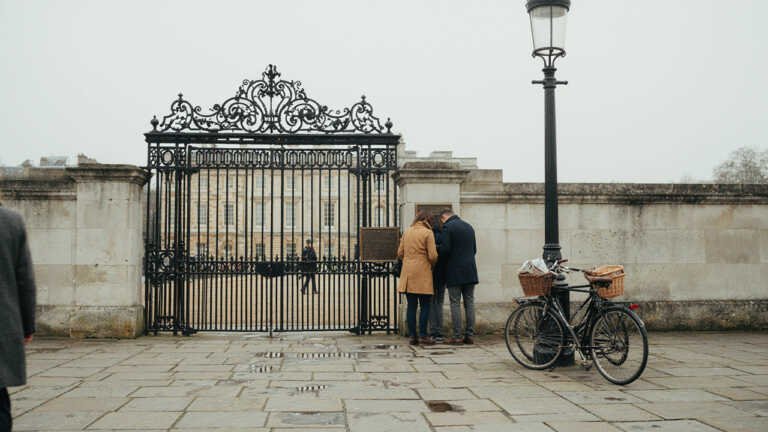
Location: London
Kensington Palace offers a different perspective on England’s royal history. Located beside Kensington Gardens, the palace has been associated with members of the Royal Family for generations.
The building has Grade I listed status, reflecting its architectural and historic importance.
Kensington Palace has been home to several notable members of the Royal Family, and its rooms and exhibitions help tell stories from different periods of royal life.
Depending on current exhibitions and access arrangements, visitors can discover:
- Historic State Apartments
- Royal exhibitions
- Palace gardens and surrounding Kensington Gardens
- Stories about former royal residents
- Period interiors and architectural details
- Its London location also makes it easy to combine with other attractions. After visiting the palace, you can spend time walking through Kensington Gardens or continue towards other central London sights.
- For current visitor information, see the Historic Royal Palaces guide to Kensington Palace.
- Why visit: Kensington Palace is ideal for travellers who want royal history in a peaceful London setting without travelling far outside the city centre.
6. Kew Palace
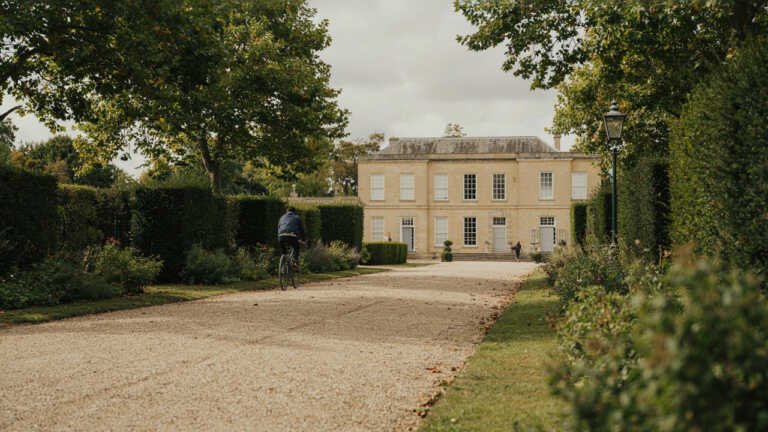
Location: Kew, London
Kew Palace is a great choice if you want to discover a quieter side of England’s royal history. It is much smaller than Buckingham Palace or Windsor Castle, but that is part of its charm.
The palace is particularly associated with King George III and Queen Charlotte, who used it as a family home. Its rooms give visitors a more personal impression of royal life than the enormous ceremonial spaces found in some other palaces.
Kew Palace is also located within the wider Kew Gardens area, making it easy to combine royal history with beautiful gardens and outdoor scenery.
Visitors can explore:
- Historic royal rooms
- The Queen’s Garden
- Period interiors
- Exhibitions and displays
- The surrounding gardens and historic buildings
- Kew Palace is one of the historic sites cared for by Historic Royal Palaces. Check the official Kew Palace visitor information before planning your visit.
- Why visit: Kew Palace is ideal if you prefer a smaller historic residence and want to combine royal history with a relaxing day around Kew.
7. Banqueting House
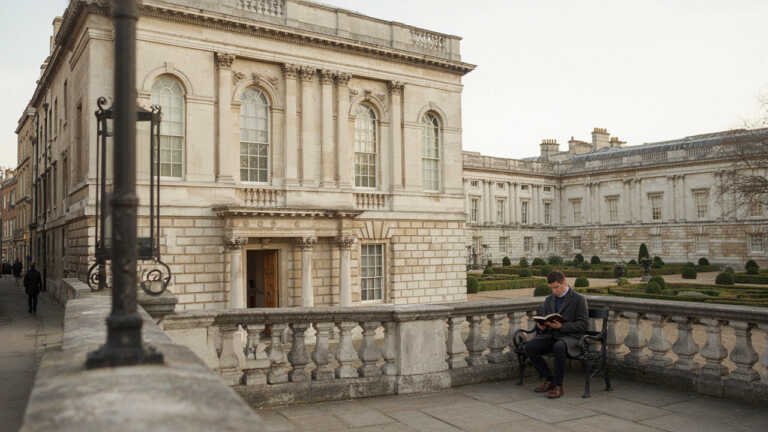
Location: Whitehall, London
Banqueting House is one of London’s most unusual royal landmarks. It is the surviving complete part of the former Palace of Whitehall, which was once the principal residence of Tudor and Stuart monarchs.
The building is especially famous for its magnificent Rubens ceiling, created for the Banqueting Hall during the reign of James I and VI. The building also has a connection to one of the most dramatic moments in English royal history: the execution of Charles I took place outside it.
The main highlights include:
- The enormous Banqueting Hall
- Rubens’ painted ceiling
- Historic architecture by Inigo Jones
- The site associated with Charles I’s execution
- The surviving remains of the old Palace of Whitehall
- For 2026, Banqueting House has a summer opening period running through 20 September, with additional open days later in the year. Visitors should check the official schedule because opening dates can change.
- See the official Banqueting House visitor guide for current information.
- Why visit: If you enjoy architecture and dramatic royal history, Banqueting House is a fascinating addition to a London itinerary.
8. St James's Palace
Location: London
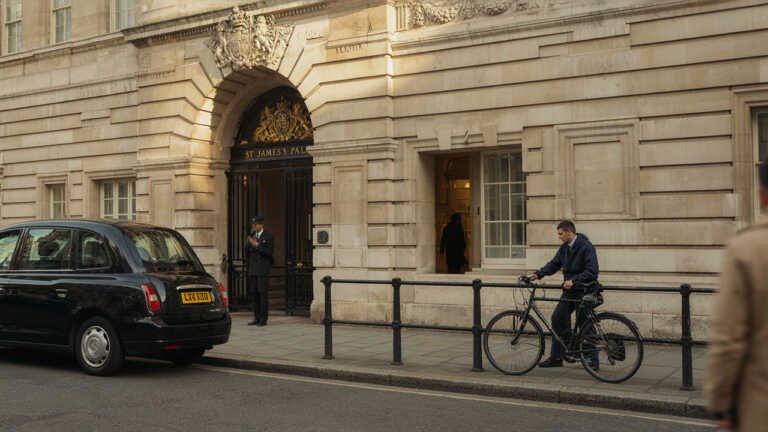
St James’s Palace is one of London’s most historically important royal buildings. Built during the reign of Henry VIII, it has been associated with the English monarchy for centuries.
Although the palace is not generally open to the public like some other royal attractions, it is still worth knowing about when exploring London’s royal history. The Royal Collection Trust describes it as having been home to Kings and Queens of England for more than 300 years.
The palace’s red-brick Tudor architecture gives it a very different appearance from the grander stone facades of Buckingham Palace and Windsor Castle.
The palace has played an important role in royal life, including:
- Tudor royal history
- Royal ceremonies
- Official functions
- Historic royal residences
- Connections with generations of monarchs
- Because public access is limited, you should not plan your visit around entering the palace. Instead, it works well as part of a walking tour of London’s royal district.
- The Royal Collection Trust’s St James’s Palace information is the best place to check its current visitor status.
- Why visit: It is an excellent landmark for travellers interested in Tudor architecture and the long history of London’s royal residences.
9. Clarence House
Location: London
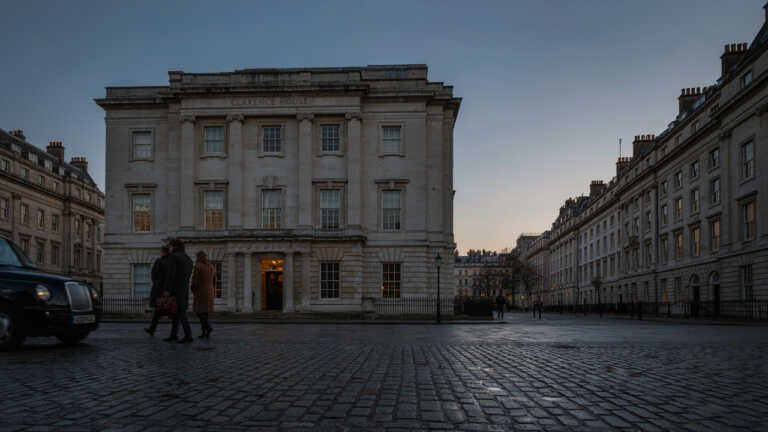
Clarence House sits close to Buckingham Palace and offers another glimpse into the history of Britain’s royal family.
The elegant townhouse was built in the 19th century and has been associated with several generations of the Royal Family. Unlike the enormous scale of Buckingham Palace, Clarence House has a more intimate character.
The Royal Collection Trust describes it as one of the last remaining aristocratic townhouses in London.
The residence is notable for:
- Its elegant townhouse architecture
- Historic interiors
- Royal connections
- Its location beside St James’s Park and Buckingham Palace
- Its role in London’s royal district
- Public access can be limited and seasonal, so check the official Clarence House information before making specific plans.
- Why visit: Clarence House is a good addition to a royal-themed London walk, especially when combined with Buckingham Palace and St James’s Palace.
10. Royal Mews at Buckingham Palace
Location: London
If you want to see a different side of royal life, the Royal Mews is worth adding to your England itinerary.
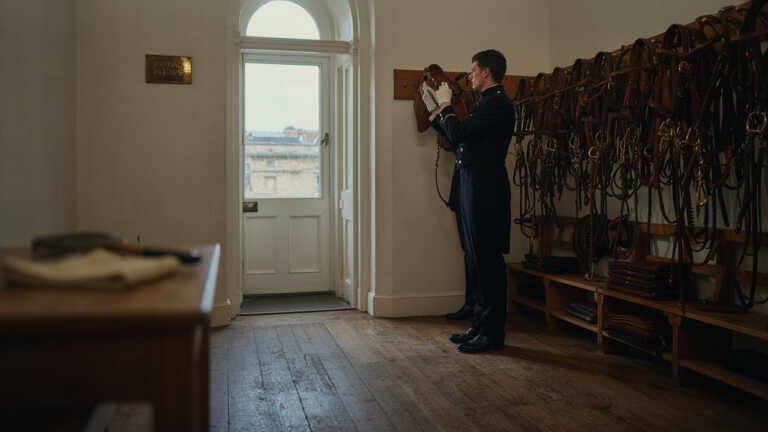
Located close to Buckingham Palace, the Royal Mews is responsible for some of the King’s official road transportation. It houses historic royal carriages and has long been connected with the working life of the monarchy.
The Royal Collection Trust describes the Royal Mews as being home to historic royal carriages and one of the world’s finest working stables.
Depending on the current display, visitors can see:
- Historic royal carriages
- The Gold State Coach
- Working horses
- Royal transport equipment
- Exhibitions connected with ceremonial occasions
- The Royal Mews is particularly interesting for visitors who enjoy seeing the practical side of royal ceremonies rather than only palace interiors.
- Check the official Royal Mews visitor information for opening dates, tickets, and current displays.
- Why visit: The Royal Mews offers something different from traditional palace tours and gives visitors a closer look at the transport and ceremonial traditions of the British monarchy.
11. Osborne House
Location: East Cowes, Isle of Wight
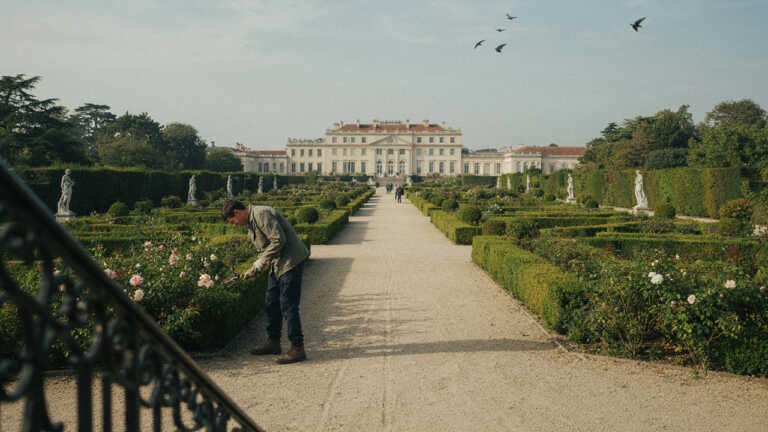
Osborne House is one of the most interesting royal residences to visit if you want to see how Queen Victoria and Prince Albert spent time away from London. Located on the Isle of Wight, the house was designed as a private family retreat rather than a grand ceremonial palace.
Queen Victoria and Prince Albert purchased the Osborne estate in 1845 and developed the house and grounds over the following years. The Italianate architecture gives Osborne House a distinctive appearance, while the surrounding gardens and coastal setting make it particularly enjoyable to explore.
Visitors can discover:
- The impressive State Rooms
- Private royal family rooms
- Queen Victoria’s bedroom
- The Swiss Cottage
- Formal gardens
- Views across the Solent
- Historic objects connected with the royal family
- The house is now managed by English Heritage. Check the official Osborne House visitor information before travelling for current opening times and admission details.
- Why visit: Osborne House combines royal history, beautiful architecture, gardens, and a peaceful seaside setting.
12. Sandringham House
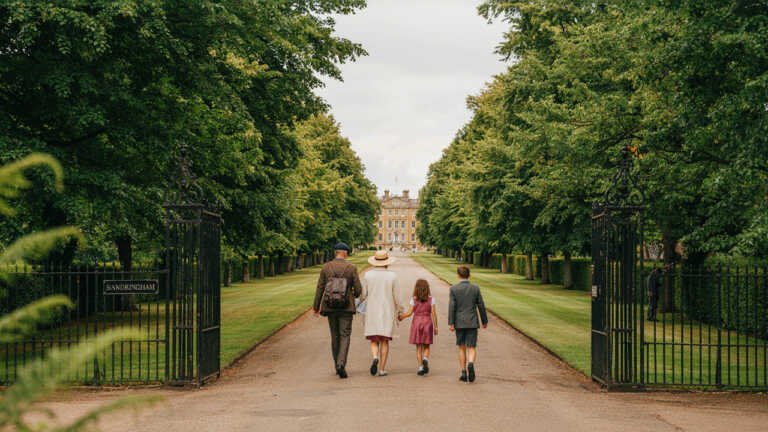
Location: Norfolk
Sandringham House is one of the best-known private royal estates in England. The estate has been associated with the British Royal Family since 1862, when it was purchased for the future King Edward VII.
Unlike some royal landmarks that are mainly connected with ceremonies and official occasions, Sandringham has traditionally been regarded as a private country retreat. The estate covers a large area and includes woodland, gardens, farmland, and historic buildings.
Depending on the season and visitor arrangements, highlights can include:
- Sandringham House
- The gardens
- Sandringham Church
- Estate exhibitions
- Woodland and walking areas
- Historic royal collections
- The estate is also strongly associated with the Royal Family’s Christmas traditions.
- Before visiting, check the official Sandringham Estate website for current opening dates, events, and visitor information.
- Why visit: Sandringham is ideal for travellers who want to experience the quieter country-estate side of royal history.
13. Eltham Palace
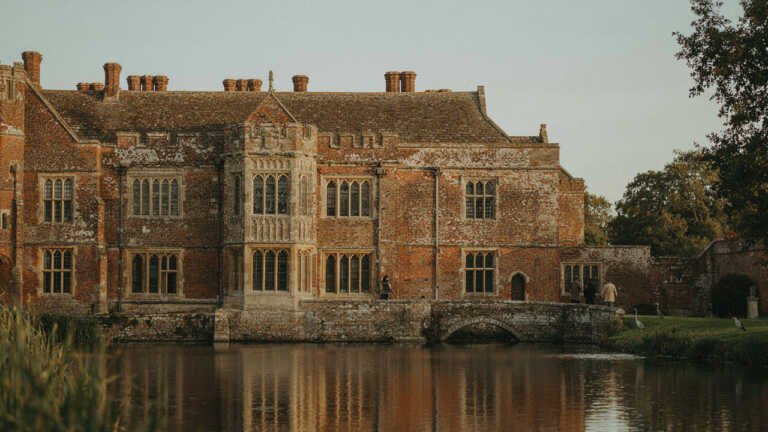
Location: London
Eltham Palace offers a fascinating combination of medieval royal history and striking 20th-century design. The site was once an important medieval royal residence before the historic palace was transformed into an elegant Art Deco home in the 1930s.
The contrast is what makes Eltham Palace special. You can discover medieval remains alongside rooms that reflect the glamorous style of the 1930s.
Visitors can explore:
- The medieval Great Hall
- Art Deco interiors
- Historic bedrooms and living spaces
- The palace gardens
- Decorative features and period furnishings
- Stories about the palace’s royal past
- Why visit: Eltham Palace is perfect if you enjoy both medieval history and unusual architecture. Few royal landmarks offer such a dramatic mixture of old and modern styles.
14. Richmond Palace
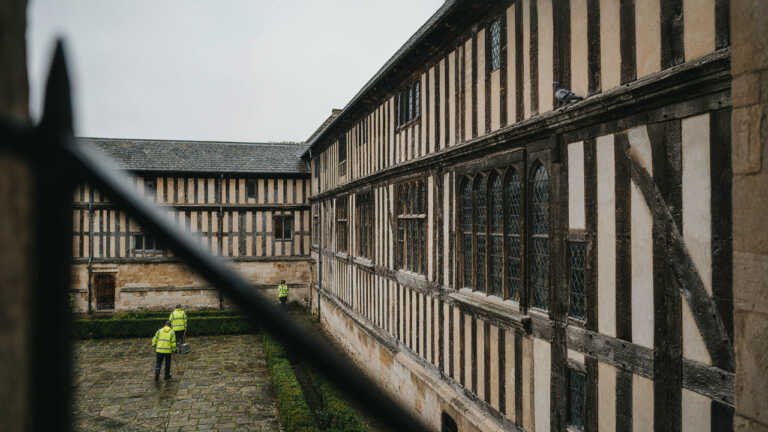
Location: Richmond, London
Richmond Palace has a particularly important place in English royal history, even though much of the original palace no longer survives.
The palace was developed during the Tudor period and became one of the favourite residences of Henry VII. It was also associated with Elizabeth I, who died at Richmond Palace in 1603.
Today, visitors can explore surviving remains and learn about the history of the former royal residence. The nearby Richmond Green and surrounding historic streets make it easy to turn the visit into a longer walk.
A royal-history visit to Richmond can include:
- Surviving palace remains
- The historic gateway
- Richmond Green
- Old Palace Yard
- Nearby historic buildings
- Views around the River Thames
- For historical background and current heritage information, see the Historic England information on Richmond Palace.
- Why visit: Richmond Palace is a great choice for history lovers who enjoy discovering royal sites that are less crowded than England’s major surviving palaces.
15. Syon House
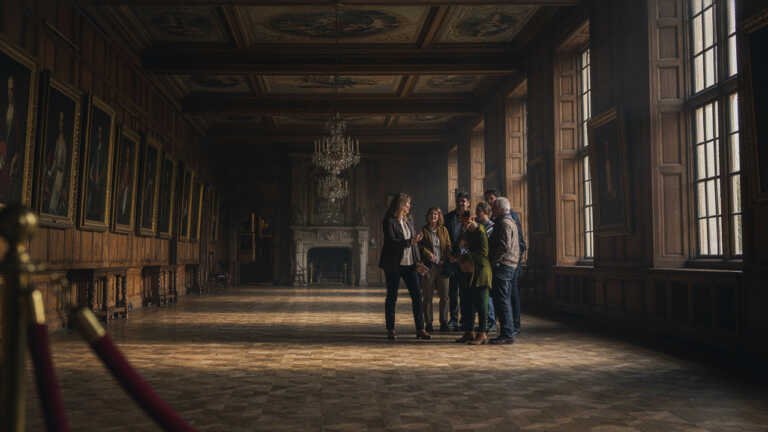
Location: Brentford, London
Syon House is a grand historic residence surrounded by extensive parkland in west London. Although it is not a current royal residence, the site has a strong connection with England’s royal and aristocratic history.
The estate occupies the former site of Syon Abbey and has been associated with the Dukes of Northumberland for centuries. Its interiors and gardens provide an interesting look at the changing tastes of Britain’s aristocratic and royal-connected families.
- The Great Hall
- Historic interiors
- The conservatory
- Syon Park
- Ornamental gardens
- The River Thames surroundings
- The house and park can have seasonal opening arrangements, so check the official Syon Park website before planning your trip.
- Why visit: Syon House is a good option for travellers who want grand architecture, gardens, and a quieter historic attraction away from central London’s busiest sights.
Final Thoughts
England’s royal landmarks offer a wonderful mix of history, architecture, and royal stories. From grand palaces to historic castles and peaceful estates, each destination has something unique to discover. Choose the ones that match your interests and check official websites before visiting.
Frequently Asked Questions (FAQs)
What is the most famous royal landmark in England?
- Buckingham Palace is one of the most famous, while Windsor Castle is among the most historically important.
Which royal landmark is best for Tudor history?
- Hampton Court Palace is an excellent choice for Tudor history and the story of Henry VIII.
Can tourists visit royal landmarks in England?
- Yes. Many are open to visitors, although opening dates and public access vary by attraction.
Which royal landmark is best for families?
- Windsor Castle, Hampton Court Palace, and the Tower of London offer engaging experiences for families.
Should I book tickets in advance?
- For popular attractions, booking ahead is recommended, especially during weekends and peak travel seasons.

I am Sabiq Hasan Rasel. Coffee with Travel, Recipes & Reviews is a cozy and engaging content space that blends a love of coffee with exciting travel experiences, delicious recipes, and honest reviews. It offers inspiration for coffee lovers who enjoy exploring new places, trying unique flavors, and discovering lifestyle tips along the way.