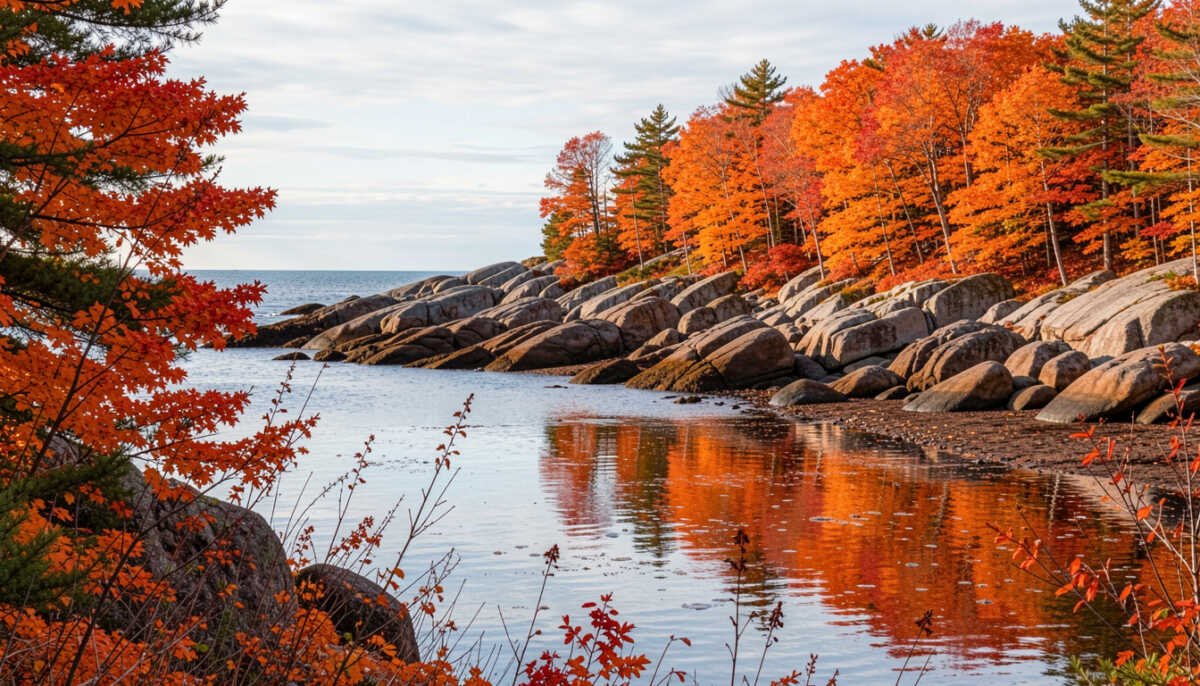
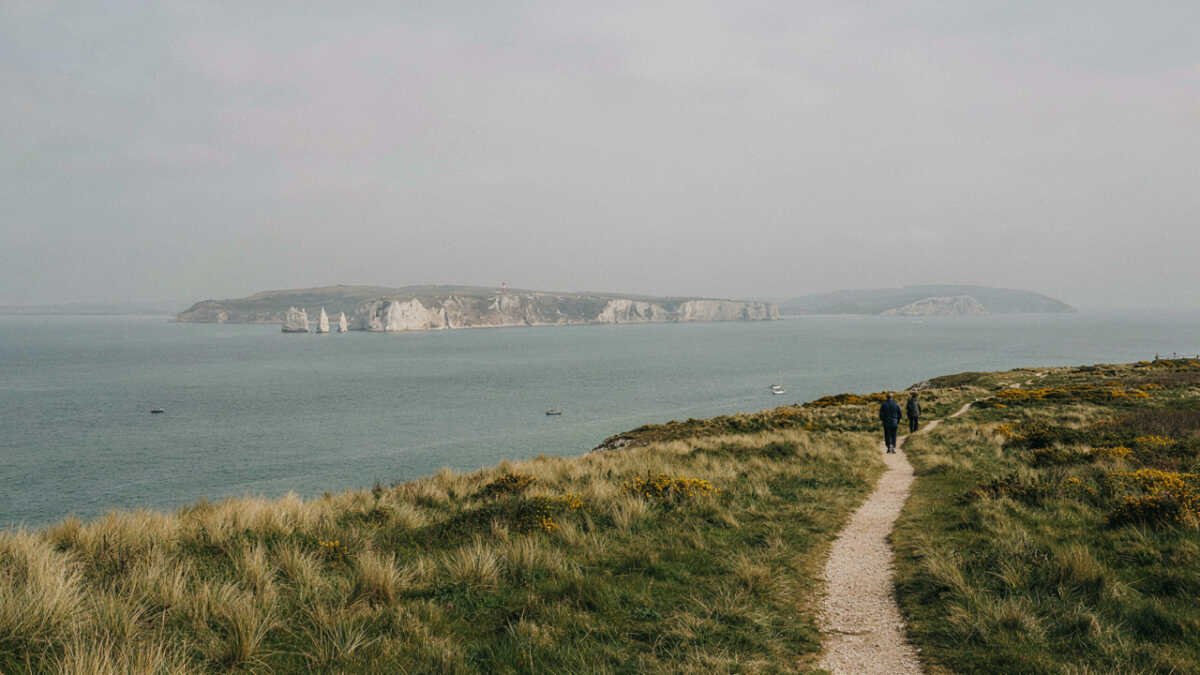
England is usually associated with historic cities, charming villages, dramatic cliffs, and beautiful countryside. But there is another side of the country that is easy to overlook — its islands. From the popular Isle of Wight to the quieter coastline of Isle of Sheppey, England has several islands offering beaches, walking routes, wildlife, history, and seaside experiences. Some are busy holiday destinations, while others are better suited to people who enjoy nature and exploring less familiar places. In this guide, I’m looking at 15 of the largest islands in England by land area and what makes each one worth knowing about
Area: About 380 km²
Location: Off the south coast of England
Best for: Beaches, walking, cycling, history, families and coastal scenery
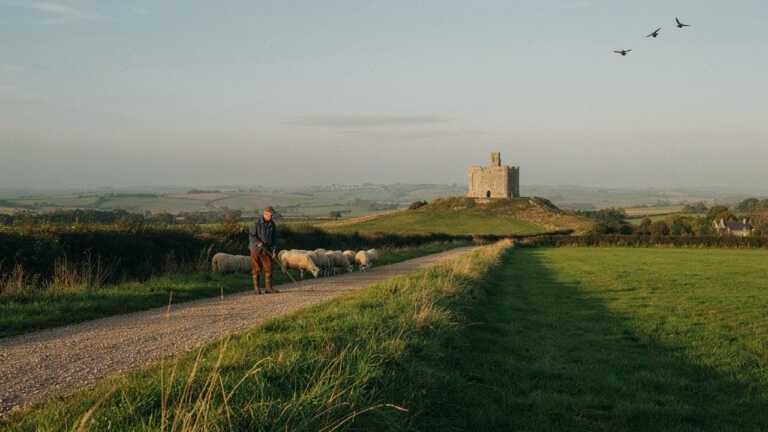
The Isle of Wight is easily the largest island on this list and the most obvious choice for a traditional island holiday. It sits just off the Hampshire coast, separated from mainland England by the Solent.
The island covers roughly 147 square miles (about 380 km²) and has around 57 miles of coastline. Its landscape changes considerably from one part of the island to another, with beaches, cliffs, countryside, villages and coastal viewpoints.
One of the biggest attractions is simply the variety. You can spend the morning walking along the coast and the afternoon exploring historic sites or seaside towns.
The Needles on the western side are among the island’s best-known landmarks. There are also beaches, walking routes and cycling opportunities throughout the island.
History is another major reason to visit. Osborne, the former royal residence associated with Queen Victoria and Prince Albert, is one of the island’s best-known historic attractions. The island has also been a popular holiday destination for centuries.
- Visit the Needles and western coastline
- Explore Osborne
- Walk sections of the coastal paths
- Visit seaside towns such as Ryde, Shanklin and Ventnor
- Explore the sailing town of Cowes
- Enjoy beaches and coastal viewpoints
- Try cycling around quieter parts of the island
- There is no road bridge connecting the Isle of Wight to mainland England. Visitors normally travel by ferry or hovercraft, with services connecting the island with mainland ports including Southampton, Portsmouth and Lymington.
- For current travel information, attractions and accommodation ideas, check the official Isle of Wight tourism website.
- My take: If you want one island that combines beaches, history, countryside and plenty of things to do, this is the easiest choice.
2. Isle of Sheppey
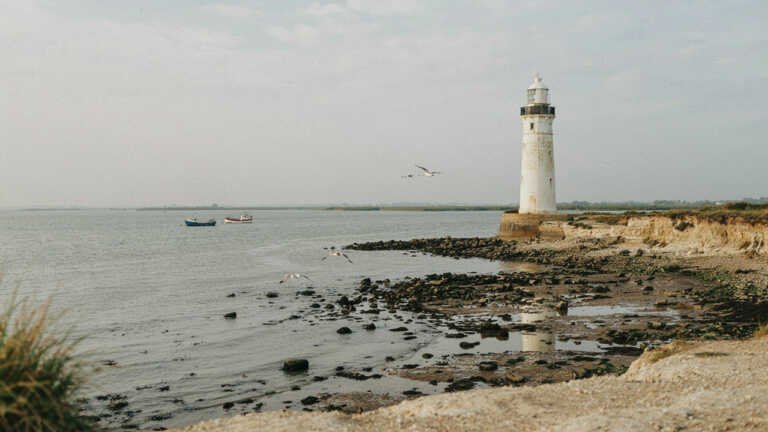
Area: About 89 km²
Location: Kent, southeast England
Best for: Beaches, marshland, walking, wildlife and quieter coastal experiences
The Isle of Sheppey is considerably less famous than the Isle of Wight, but that is part of its appeal.
Located off the north coast of Kent, Sheppey has a very different character from a traditional resort island. Its landscape includes marshes, beaches, sea walls and open coastal areas.
Sheppey is particularly interesting for travellers who prefer walking, wildlife and quieter landscapes over large tourist attractions.
Kent’s tourism organisation highlights the island’s long beaches, marshes and coastal scenery. The Saxon Shore Way also passes through the island, providing opportunities to explore marshland, sea walls and coastal landscapes.
Leysdown-on-Sea is one of the better-known seaside areas, while places such as Elmley offer a more nature-focused experience.
- Visit Leysdown-on-Sea
- Explore coastal walking routes
- Walk sections of the Saxon Shore Way
- Discover the marshes and wildlife
- Visit the Harty area
- Enjoy quieter beach walks
- Explore Queenborough and other local communities
- I would recommend Sheppey most to people who want something a little different from England’s classic seaside resorts. It is less about ticking off famous landmarks and more about enjoying open landscapes, coastal walks and wildlife.
- My take: Sheppey is a good option if you want a larger English island without the same level of tourist attention found on the Isle of Wight.
3. Hayling Island
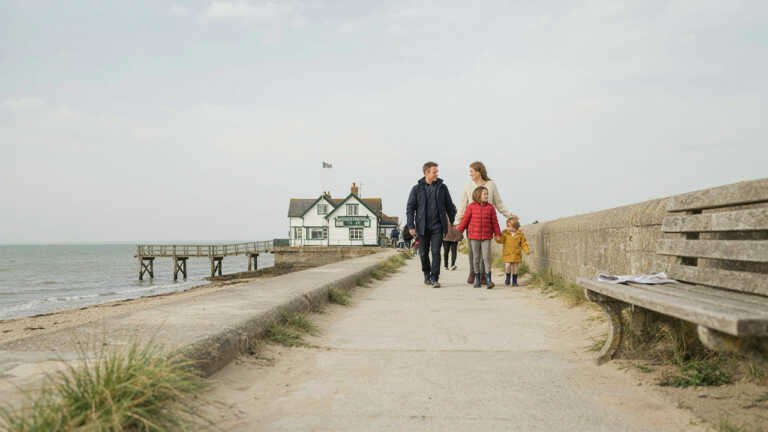
Area: About 30 km²
Location: Hampshire, southern England
Best for: Beaches, watersports, families, cycling and seaside days
Hayling Island is another excellent choice for travellers looking for a classic English seaside experience.
The island is connected to mainland Hampshire and sits between the harbours of Chichester and Langstone. Its coastline, beaches and recreational facilities make it particularly popular with families and outdoor enthusiasts.
The island has a strong connection with watersports. Visit Hampshire notes that windsurfing was invented on Hayling Island, and the area remains popular for sailing and other water-based activities.
The seaside is another major attraction. There are several miles of coastline where visitors can enjoy walking, swimming, picnicking and other beach activities.
For cyclists and walkers, the Hayling Billy Coastal Path is one of the island’s highlights.
- Walk along the coast
- Follow the Hayling Billy Cycle Trail
- Enjoy the beaches
- Try suitable watersports with qualified providers
- Visit Funland
- Explore Langstone Harbour
- Discover the island’s World War II heritage
- Enjoy local cafés and seaside food
- The island also has a World War II Heritage Trail featuring sites connected with its military history, including remains associated with the Mulberry Harbour project.
- For planning information, visit Visit Hampshire.
- My take: Hayling Island is a strong choice for families and anyone who wants a relaxed seaside break without travelling far from the south coast.
4. Foulness Island
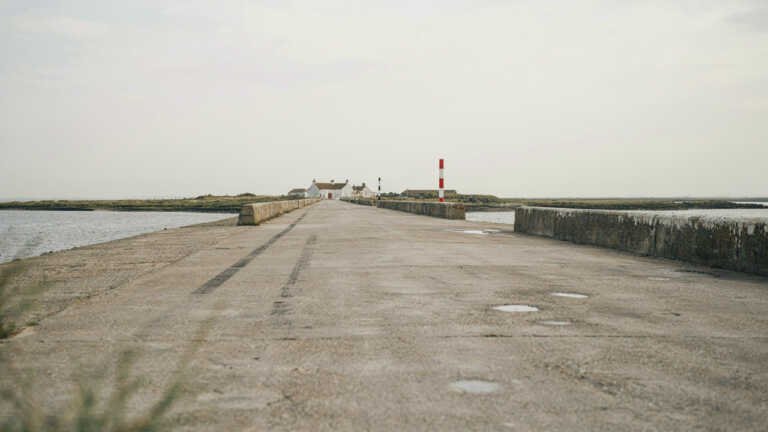
Area: About 29 km²
Location: Essex, eastern England
Best for: History, landscape and understanding a less-accessible side of England
Foulness Island is probably the most unusual entry on this list.
Unlike the Isle of Wight or Hayling Island, Foulness is not a conventional tourist destination. It is a large island on the Essex coast with significant restricted areas, so visitors should not assume that they can freely explore the island.
That distinction is important when writing about England’s largest islands. A list based purely on tourism popularity would look very different from a list based on geographical size.
Foulness has a distinctive coastal landscape and a long association with military and defence activity. Because access to parts of the island is restricted, it is best treated as a geographical and historical point of interest rather than somewhere to plan a typical beach holiday.
If you are researching the island for a visit, always check current access arrangements and local restrictions before travelling.
Depending on current access arrangements, opportunities may be limited compared with the other islands on this list. The surrounding Essex coast, however, offers plenty of places for walking, wildlife watching and exploring.
My take: Foulness is included because this article is about the largest islands in England, not simply the most tourist-friendly ones. It is an interesting geographical destination, but I would choose the Isle of Wight or Hayling Island for a conventional island holiday
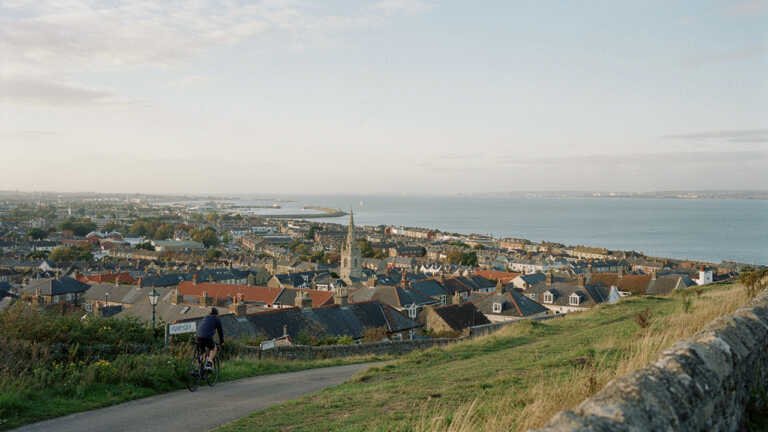
Area: About 25 km²
Location: Portsmouth, Hampshire
Best for: History, museums, waterfront attractions, beaches and city breaks
Portsea Island is completely different from the previous islands.
Rather than being mainly rural or remote, Portsea Island is home to Portsmouth, making it one of the most urbanised islands in England.
The main attraction is Portsmouth itself.
The city has a remarkable maritime history, and visitors can explore attractions such as Portsmouth Historic Dockyard, the Mary Rose Museum, Southsea Castle and the Spinnaker Tower. The official Portsmouth tourism website describes the city as the UK’s only island city.
The island is also surprisingly easy to explore without a car. Portsmouth’s tourism authority highlights walking and cycling routes across Portsea, while the seafront provides opportunities for walking, cycling and birdwatching.
- Explore Portsmouth Historic Dockyard
- Visit the Mary Rose Museum
- See Southsea Castle
- Walk along Southsea seafront
- Visit the Spinnaker Tower
- Explore Old Portsmouth
- Enjoy museums and waterfront attractions
- Walk or cycle around parts of the island
- The official Visit Portsmouth website is useful for checking current attractions, events and visitor information.
- My take: If you want an island trip combined with museums, history, restaurants and city attractions, Portsea Island offers something completely different from the typical seaside island.
6. Canvey Island
Location: Essex, southeast England
Approximate area: 18 km²
Best for: Beaches, coastal walks, wildlife and a traditional seaside atmosphere
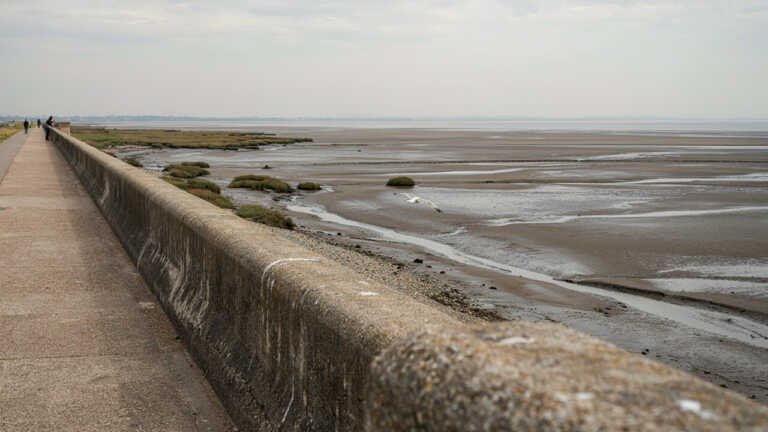
Canvey Island is one of the largest islands in England and sits in the Thames Estuary in Essex. Unlike some of the more remote islands on this list, Canvey is a populated island with roads connecting it to the mainland.
The island has a strong seaside character, with Canvey Island Seafront being one of its better-known attractions. It is a good place for a relaxed day by the water, especially if you enjoy walking along the coast rather than looking for major tourist attractions.
- Walk along Canvey Island Seafront
- Enjoy the coastal views
- Visit local parks and open spaces
- Explore nearby nature areas
- Spend time at the beach
- Discover the island’s local history
- One of the interesting things about Canvey is its mixture of residential areas, coastal scenery and wildlife habitats. It can be a useful stop for travellers exploring the wider Essex coast.
- Why visit? Canvey Island is a practical choice for travellers who want an easy-to-reach English island with a relaxed coastal atmosphere.
7. Mersea Island
Location: Essex, eastern England
Approximate area: 18 km²
Best for: Beaches, seafood, countryside, walking and peaceful escapes
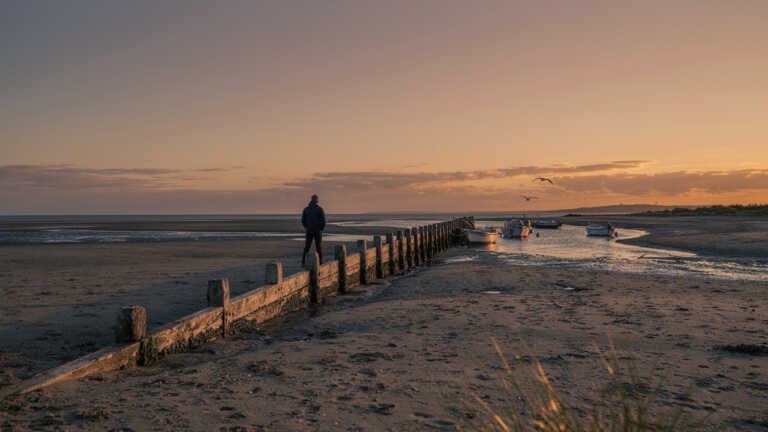
Mersea Island is another Essex island, but its atmosphere is quite different from Canvey Island. It is particularly known for its rural surroundings, coastal scenery and connection with seafood.
The island is divided broadly into West Mersea and East Mersea, with West Mersea being the main settlement and a popular destination for visitors.
Mersea is a great place to slow down. Instead of trying to see dozens of attractions in one day, you can explore the coastline, walk through the countryside and enjoy the island’s relaxed atmosphere.
West Mersea has a waterfront area with boats, cafés, restaurants and places to enjoy views across the water. The island is also famous for its oysters, making it an interesting destination for food lovers.
- Explore West Mersea
- Walk along the waterfront
- Visit Mersea Island Museum
- Enjoy local seafood
- Explore countryside and coastal paths
- Visit beaches
- Watch boats around the harbour
- Mersea is particularly appealing for a short weekend break when you want somewhere peaceful without travelling too far from London and southeast England.
- For planning ideas, visit Visit Essex.
- Why visit? If you like quiet coastal villages, seafood and relaxed walks, Mersea Island is one of the most enjoyable islands in this part of England.
8. Walney Island
Location: Cumbria, northwest England
Approximate area: 13 km²
Best for: Wildlife, beaches, dunes, birdwatching and coastal landscapes
Walney Island offers a completely different experience from the Essex islands.
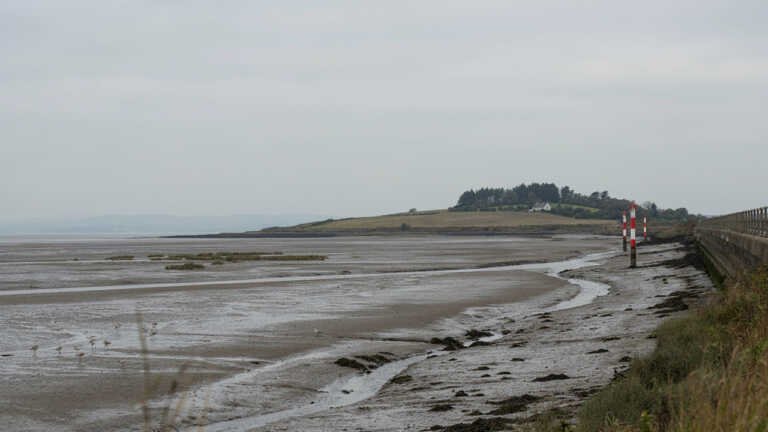
Located off the coast of Barrow-in-Furness, Walney stretches along the Irish Sea and is known for its beaches, sand dunes and wildlife. It is also the largest island in the Furness Islands group.
The island is particularly interesting for nature lovers. Parts of Walney contain important coastal habitats, including dunes, beaches and saltmarsh.
The South Walney Nature Reserve is one of the main reasons wildlife enthusiasts visit the area. The reserve provides habitat for numerous birds and other coastal wildlife.
Walney also has attractive beaches and open coastal landscapes that make it a good place for walking.
- Visit South Walney Nature Reserve
- Explore the beaches
- Look for coastal birds and wildlife
- Walk through the dunes
- Explore Barrow-in-Furness
- Enjoy views across the Irish Sea
- Walney is connected to Barrow-in-Furness by the Jubilee Bridge, making access much easier than travelling to an island that requires a ferry.
- Why visit? Walney is one of the best choices in this list if your main interest is wildlife and open coastal scenery.
9. Wallasea Island
Location: Essex, eastern England
Approximate area: 11 km²
Best for: Wildlife, walking, wetlands and nature photography
Wallasea Island is another Essex island, but it has a particularly strong connection with conservation and wetland restoration.
The island sits in the Crouch and Roach estuary system and has become an important location for wildlife and coastal habitat restoration.
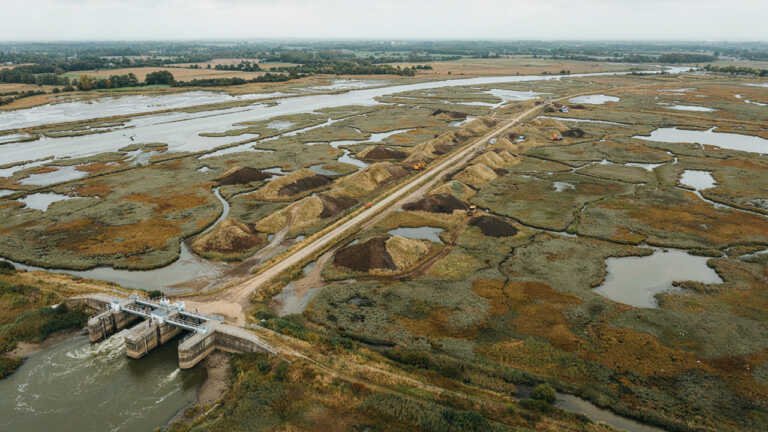
One of the island’s most interesting features is the Wallasea Island Wild Coast Project, a major conservation project designed to create and restore wetland habitats.
The result is a landscape of lagoons, marshes and coastal habitats that attract a wide range of birds.
This makes Wallasea much more interesting for wildlife enthusiasts than someone looking for a traditional seaside resort.
- Explore the nature reserve
- Go birdwatching
- Walk around the island’s trails
- Enjoy views across the estuary
- Learn about coastal conservation
- Bring binoculars for wildlife watching
- Because the island is focused heavily on nature and conservation, it is worth checking current access information before travelling.
- Why visit? Wallasea is a fascinating choice for anyone interested in wetlands, birds and large-scale coastal conservation.
10. St Mary's
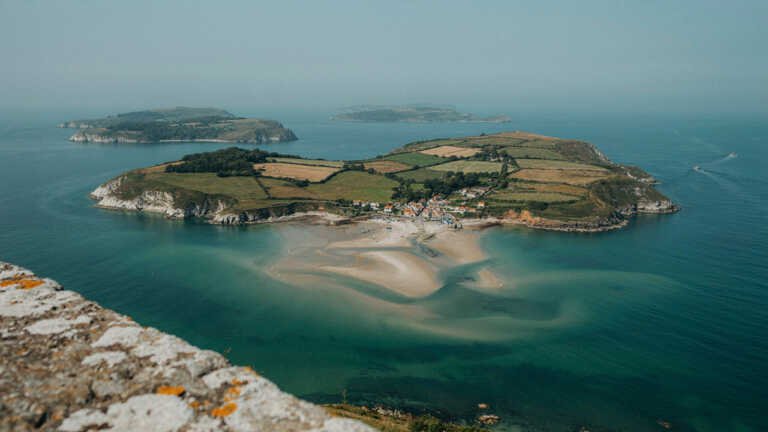
Location: Isles of Scilly, southwest England
Approximate area: 6.6 km²
Best for: Beaches, island scenery, walking, history and peaceful holidays
St Mary’s is the largest island in the Isles of Scilly, an archipelago located off the southwestern tip of Cornwall.
Although it is much smaller than the islands above, St Mary’s is one of England’s most distinctive island destinations.
St Mary’s combines beautiful beaches, coastal walking, small communities and a slower pace of life.
Hugh Town is the main settlement and provides many of the island’s shops, cafés and visitor services. From there, you can explore different parts of the island on foot or by local transport.
History is another attraction. Garrison Walls and other historic sites reflect the strategic importance of the Isles of Scilly over the centuries.
- Explore Hugh Town
- Walk around the coast
- Visit Garrison Walls
- Enjoy the island’s beaches
- Take in views across the surrounding islands
- Explore local cafés and shops
- Visit nearby islands when transport conditions allow
- For official visitor information, see the Isles of Scilly tourism website.
- Why visit? St Mary’s is ideal if you want a peaceful island holiday surrounded by clear coastal scenery and a strong sense of being somewhere completely different from mainland England.
Final Thoughts
England’s islands offer much more than beaches. From the peaceful scenery of Mersea Island and the wildlife of Walney Island to the beautiful beaches of St Mary’s, each island has something different to discover. If you’re planning an island trip in England, choose your destination based on the experience you want—nature, history, seaside fun, or a quiet escape.
Frequently Asked Questions (FAQ)
What is the largest island in England?
The Isle of Wight is the largest island in England.
Which English island is best for beaches?
The Isle of Wight and Hayling Island are excellent choices for beaches and seaside activities.
Which island is best for wildlife?
Walney Island and Wallasea Island are great options for wildlife and birdwatching.
Is St Mary’s worth visiting?
Yes. St Mary’s offers beautiful beaches, coastal walks, history, and a peaceful island atmosphere.
Can you visit all these islands in one trip?
It is possible, but they are spread across different parts of England, so separate trips may be more practical.

I am Sabiq Hasan Rasel. Coffee with Travel, Recipes & Reviews is a cozy and engaging content space that blends a love of coffee with exciting travel experiences, delicious recipes, and honest reviews. It offers inspiration for coffee lovers who enjoy exploring new places, trying unique flavors, and discovering lifestyle tips along the way.