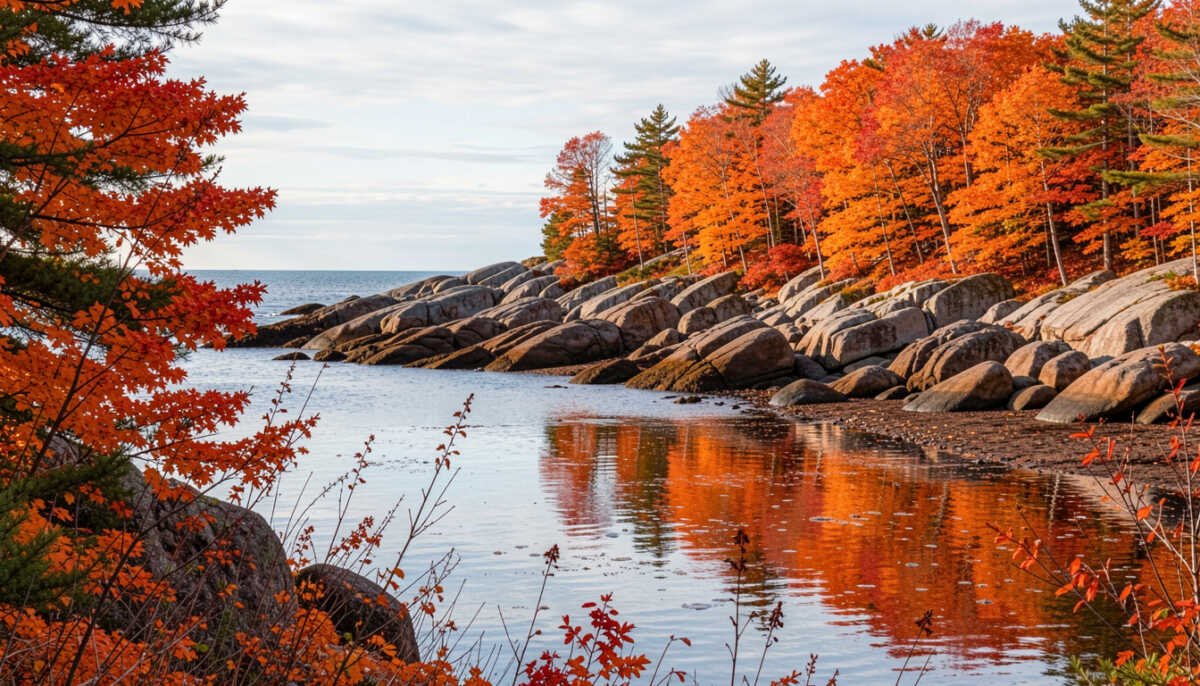
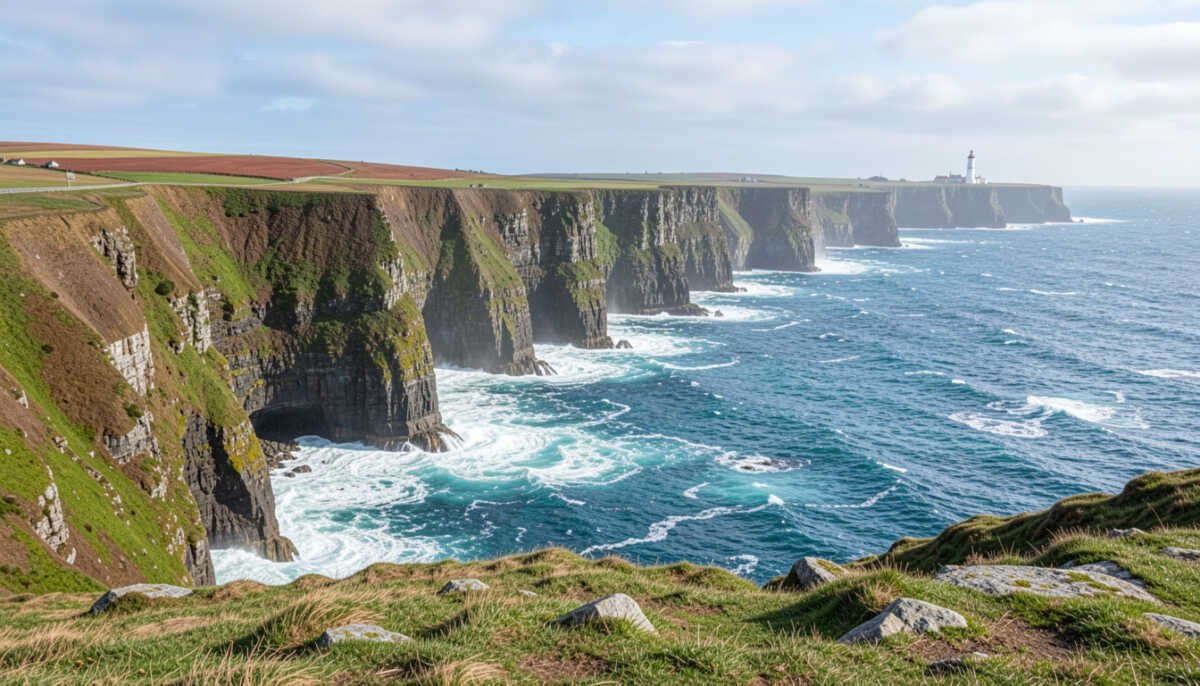
England is one of those places where you can experience a lot without travelling huge distances. Within a few hours, you can go from a busy city filled with museums and historic buildings to quiet countryside, beautiful lakes, ancient streets, and charming towns. For first-time visitors, choosing where to go can be difficult because England has so many interesting destinations. Locals also have plenty of reasons to explore beyond the usual tourist attractions. In this guide, I’ve picked 15 places that offer a good mix of history, scenery, culture, food, and things to do. The destinations below are also featured among the places and travel ideas highlighted by VisitEngland, the official tourism board for England.
1. London – Best for First-Time Visitors
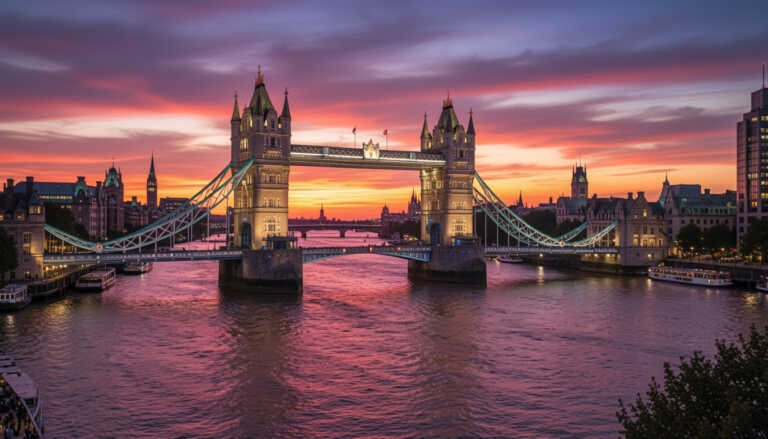
If you are visiting England for the first time, London is probably the easiest place to start. It is huge, busy, and sometimes overwhelming, but that is also part of its appeal. There is something happening in almost every part of the city.
You can spend the morning visiting a historic landmark, have lunch at a local market, explore a museum in the afternoon, and finish the day with a walk along the River Thames.
- Big Ben and the Houses of Parliament
- Tower Bridge
- Buckingham Palace
- The Tower of London
- Westminster Abbey
- The British Museum
- Natural History Museum
- St Paul’s Cathedral
- Hyde Park
- Covent Garden
- London is particularly good for visitors who enjoy history, museums, shopping, food, architecture, and entertainment.
Why visit London?
- The biggest advantage is variety. You don’t have to travel far outside the city to find something completely different to do. London’s neighbourhoods also have their own personalities, so exploring beyond the major landmarks can make the trip much more interesting.
- For a first visit, I would allow at least 3–4 days if possible. A longer stay gives you more time to explore without rushing from one attraction to another.
- Best for: First-time tourists, families, history lovers, museums, shopping, and food.
2. Bath – Best for History and Architecture

Bath has a completely different feel from London. The city is smaller, easier to explore on foot, and famous for its Roman history and elegant Georgian architecture.
The Roman Baths are the city’s biggest historical attraction. Bath’s connection with thermal springs goes back thousands of years, and the city remains closely associated with spa experiences today. VisitEngland describes Bath as a city where Roman history and modern spa experiences come together.
- The Roman Baths
- Bath Abbey
- The Royal Crescent
- The Circus
- Pulteney Bridge
- The River Avon
- Jane Austen-related attractions
- Thermae Bath Spa
- One of the best things about Bath is simply walking around. The honey-coloured stone buildings give the city a distinctive appearance, and many of the main sights are relatively close together.
How long should you stay?
- One or two nights is enough for a quick introduction, but a weekend gives you more time to explore at a relaxed pace.
- Bath is also a useful base for exploring parts of southwest England.
- Best for: History, architecture, couples, weekend trips, and relaxing city breaks.
3. York – Best for Medieval History
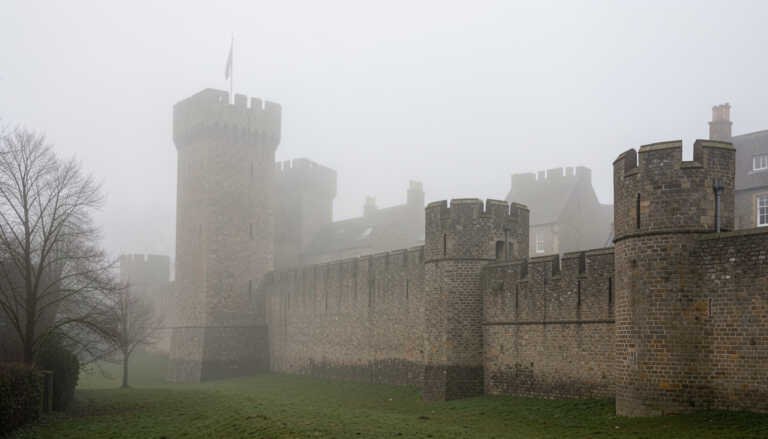
York is one of my favourite choices for travellers who want to experience England’s history while still enjoying a lively modern city.
The city has Roman and Viking connections, medieval streets, historic walls, independent shops, cafés, and one of England’s most impressive cathedrals.
VisitEngland highlights York as a destination where visitors can explore its Roman and Viking history, wander through the Shambles, and enjoy its food and shopping scene.
- York Minster
- The Shambles
- York City Walls
- JORVIK Viking Centre
- Clifford’s Tower
- National Railway Museum
- York Castle Museum
- River Ouse
- The Shambles is particularly worth seeing. Its narrow, historic appearance makes it one of York’s most recognisable streets.
A useful tip
- York is compact enough to explore much of the historic centre on foot. That makes it a good option if you prefer sightseeing without constantly using public transport.
- Try staying for 2 days. This gives you enough time for the major attractions while leaving some room to explore smaller streets and local cafés.
- Best for: History lovers, families, photographers, architecture fans, and weekend travellers.
4. Lake District – Best for Nature and Scenic Views
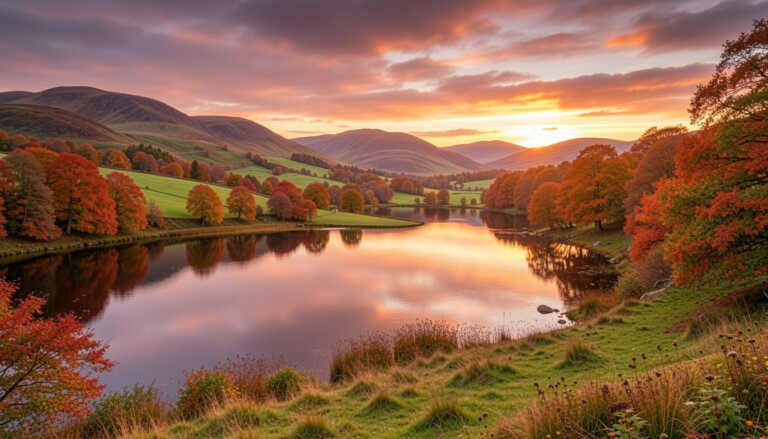
If you want to get away from busy cities, the Lake District is an excellent choice. It is known for lakes, mountains, valleys, villages, walking routes, and beautiful countryside.
VisitEngland describes the Lake District as England’s largest national park and highlights places such as Windermere and Ullswater, along with walks, waterfalls, heritage boats, food, and countryside experiences.
- Exploring Lake Windermere
- Visiting Ambleside
- Exploring Grasmere
- Walking around Ullswater
- Visiting local villages
- Taking scenic boat trips
- Exploring waterfalls and viewpoints
- Enjoying local Cumbrian food
- You don’t have to be an experienced hiker to enjoy the Lake District. There are walks of different lengths and difficulty levels, so you can choose something appropriate for your experience and the weather.
How long should you stay?
- I recommend 3–5 days if you want to see more than one part of the region. The Lake District is better enjoyed slowly rather than trying to see everything in a single day.
- Weather can change quickly, so check local conditions before heading outdoors and choose activities that match the conditions and your experience.
- Best for: Nature lovers, photographers, families, countryside escapes, and outdoor enthusiasts.
5. Cornwall – Best for Beaches and Coastal Scenery

For a very different side of England, head southwest to Cornwall. This region is famous for its dramatic coastline, beaches, fishing villages, seafood, and coastal walks.
VisitEngland highlights Cornwall’s beaches, seafood, coastal experiences, and South West Coast Path among the attractions available in southwest England.
- Some popular places and experiences include:
- St Ives
- Falmouth
- Padstow
- Newquay
- The South West Coast Path
- Coastal villages
- Local seafood
- Beaches and seaside walks
- Cornwall is particularly enjoyable when you don’t try to rush. Choose one area as your base and explore nearby beaches and villages rather than attempting to cover the whole county in a day.
When should you visit?
- Summer is popular because of the longer days and generally better conditions for beach trips. However, spring and early autumn can also be rewarding if you prefer a quieter atmosphere.
- Best for: Beaches, coastal scenery, families, food lovers, photographers, and relaxing holidays.
6. Cambridge – Best for University History and Architecture
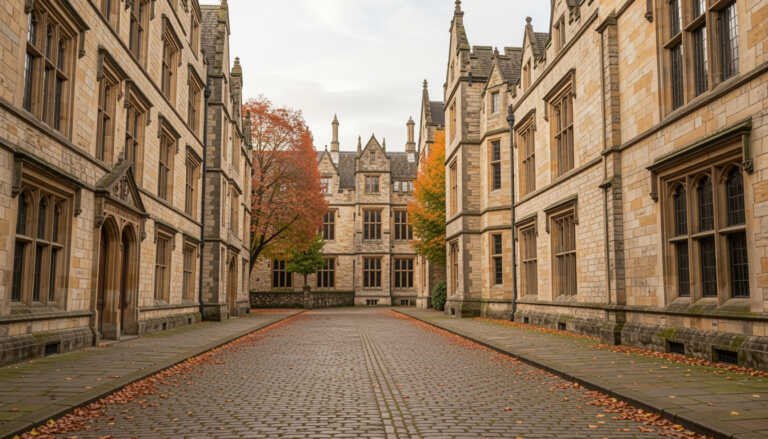
Cambridge is famous around the world for its historic university, beautiful colleges, peaceful river, and traditional English atmosphere. A walk through the city centre offers impressive architecture almost everywhere you look.
One of the most popular activities is punting on the River Cam, where you can see several historic college buildings from the water.
- Visit King’s College and King’s College Chapel
- Go punting on the River Cam
- Explore the historic university colleges
- Walk through the city centre
- Visit the Fitzwilliam Museum
- Enjoy cafés and local restaurants
- Best for: History, architecture, students, couples, and photography.
7. Oxford – Best for Culture and Historic Colleges

Oxford is another fantastic destination for anyone interested in history, education, architecture, and traditional English culture. Its university buildings, libraries, courtyards, and narrow streets give the city a distinctive character.
You can spend a day walking around the historic centre and visiting some of the city’s famous university buildings.
- Visit the Bodleian Library
- See the Radcliffe Camera
- Explore Oxford’s historic colleges
- Visit the Ashmolean Museum
- Walk along the River Cherwell
- Take a guided walking tour
- Oxford works particularly well as a day trip from London, although staying overnight allows you to experience the city after the busiest daytime hours.
- Best for: History, culture, architecture, students, and day trips.
8. Brighton – Best for Seaside Atmosphere
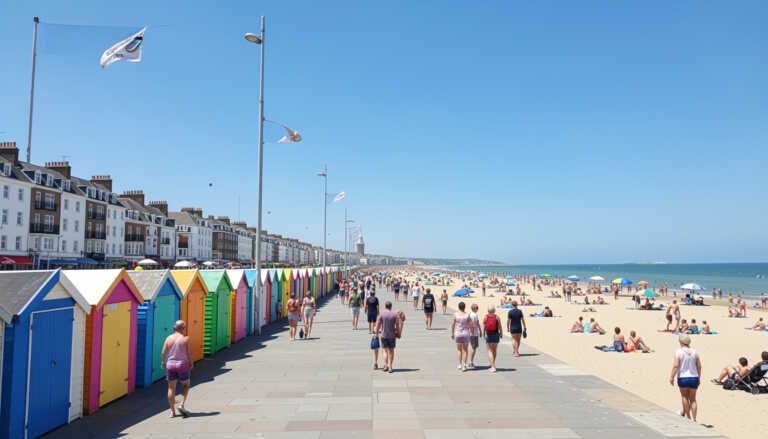
Brighton is a lively seaside destination on England’s south coast. It combines a traditional seaside atmosphere with independent shops, restaurants, cafés, entertainment, and interesting architecture.
The Royal Pavilion is one of Brighton’s most recognisable landmarks, while the seafront is a popular place to walk and enjoy views across the English Channel.
- Visit the Royal Pavilion
- Walk along Brighton Palace Pier
- Explore The Lanes
- Spend time along the seafront
- Visit Brighton Museum
- Try local cafés and restaurants
- Brighton is easy to reach from London, making it a convenient option for travellers who want a seaside experience without travelling too far.
- Best for: Seaside trips, couples, food lovers, shopping, and weekend breaks.
9. Stratford-upon-Avon – Best for Shakespeare and Heritage
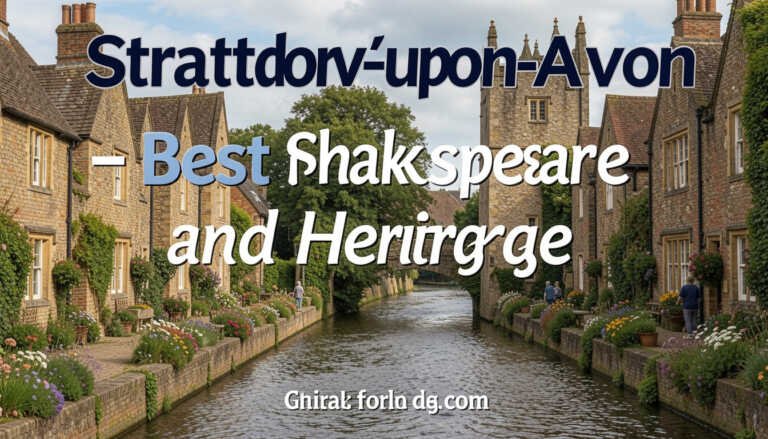
Stratford-upon-Avon is best known as the birthplace of William Shakespeare. The historic town sits beside the River Avon and offers visitors a chance to explore traditional buildings, museums, theatres, and riverside scenery.
For literature lovers, this is one of the most interesting destinations in England.
- Visit Shakespeare’s Birthplace
- Explore Anne Hathaway’s Cottage
- See the Royal Shakespeare Theatre
- Walk beside the River Avon
- Explore the historic town centre
- Visit Shakespeare-related heritage sites
- Even if you’re not a major Shakespeare fan, the town is enjoyable for its architecture, riverside setting, and relaxed atmosphere.
- Best for: Literature lovers, history, families, culture, and heritage tourism.
10. Cotswolds – Best for Picturesque Villages and Countryside
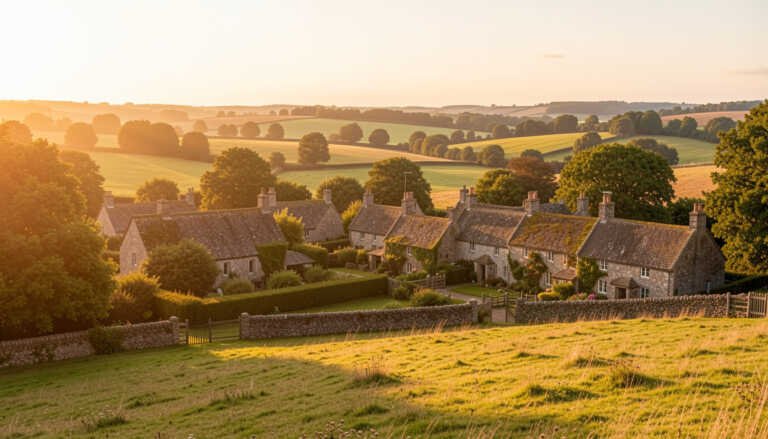
The Cotswolds are ideal if you want to experience England’s quieter countryside. The area is known for rolling hills, stone cottages, small villages, gardens, walking routes, and traditional country scenery.
Villages such as Bibury, Bourton-on-the-Water, Castle Combe, and Stow-on-the-Wold are popular starting points for exploring the region.
- Explore traditional Cotswold villages
- Walk through the countryside
- Visit local gardens
- Enjoy traditional pubs and cafés
- Photograph historic stone cottages
- Explore local markets and independent shops
- The Cotswolds are spread across a large area, so planning your route is important. Having a car can make it easier to visit several smaller villages, although some areas can also be explored by public transport and organised tours.
- Best for: Countryside, photography, couples, families, walking, and peaceful getaways.
11. Liverpool – Best for Music and Maritime History

Liverpool is a great choice for travellers interested in music, football, museums, and maritime history. The city has a lively atmosphere and plenty of attractions within a relatively compact area.
The waterfront is one of the best places to start. The Royal Albert Dock is home to museums, galleries, restaurants, and historic buildings.
- Explore Royal Albert Dock
- Visit The Beatles Story
- See Liverpool Cathedral
- Visit the Museum of Liverpool
- Explore the Cavern Quarter
- Walk along the waterfront
- Best for: Music lovers, families, museums, history, and city breaks.
12. Manchester – Best for Football, Culture and City Life
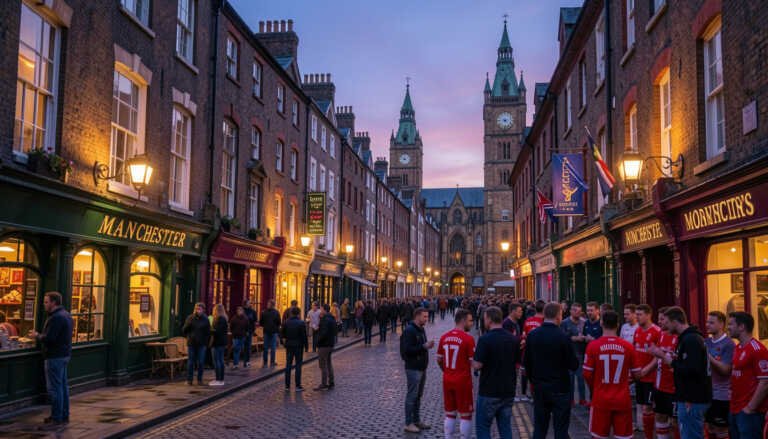
Manchester is one of England’s most energetic cities. It has a strong industrial heritage and is now known for football, music, shopping, restaurants, museums, and nightlife.
Football fans can visit famous stadiums and museums, while history lovers can explore the city’s industrial past.
- Visit the Science and Industry Museum
- Explore the Northern Quarter
- Visit the National Football Museum
- Explore Manchester Cathedral
- See the city’s historic canals
- Enjoy local restaurants and cafés
- Best for: Football fans, young travellers, museums, shopping, and city breaks.
13. Bristol – Best for Street Art and Creative Culture
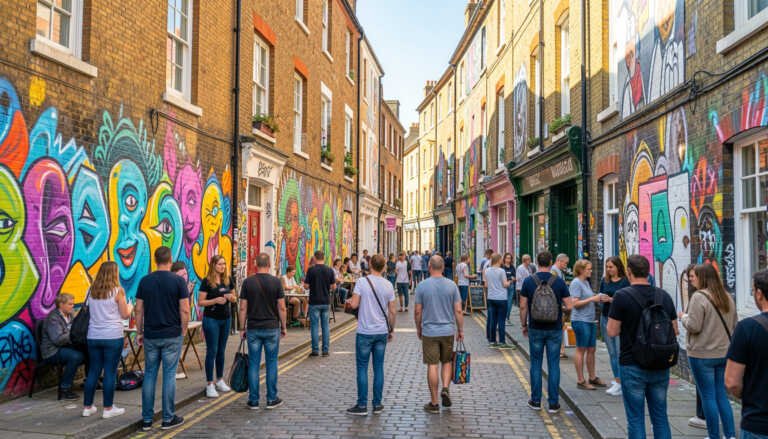
Bristol has a creative and relaxed personality that makes it different from many other English cities. It is famous for its harbour, street art, independent businesses, and impressive architecture.
The Clifton Suspension Bridge is one of the city’s most recognisable landmarks and offers excellent views over the surrounding area.
- See Clifton Suspension Bridge
- Explore Bristol Harbourside
- Discover street art
- Visit Bristol Museum & Art Gallery
- Walk around Clifton
- Explore independent cafés and shops
- Best for: Art lovers, photographers, families, foodies, and city explorers.
14. Canterbury – Best for Religious and Medieval History

Canterbury is a charming historic city in Kent with strong medieval connections. Its cathedral is the city’s major landmark and an important part of England’s religious and architectural history.
The compact historic centre is enjoyable to explore on foot, with old streets, independent shops, cafés, and historic buildings.
- Visit Canterbury Cathedral
- Explore the historic city centre
- Walk along the city walls
- Visit Canterbury Roman Museum
- Explore local shops and cafés
- Take a guided walking tour
- Canterbury is also convenient for travellers who want to combine history with a trip around southeastern England.
- Best for: History, architecture, culture, families, and weekend trips.
15. New Forest – Best for Forest Walks and Wildlife

For a peaceful break surrounded by nature, the New Forest is an excellent option. The area is known for woodland, open heathland, villages, walking routes, cycling, and its famous free-roaming ponies.
Unlike a traditional city destination, the New Forest is more about slowing down and enjoying the outdoors.
- Walk through the forest
- Explore heathland and woodland
- Look for New Forest ponies from a respectful distance
- Cycle on designated routes
- Visit nearby villages
- Enjoy a countryside pub meal
- If you’re travelling with children, the area can be particularly enjoyable because there are many opportunities to spend time outdoors.
- Best for: Nature lovers, families, walking, cycling, and peaceful countryside escapes.
Final Thoughts
England has something for almost every type of traveller, from London’s famous landmarks and York’s medieval streets to the peaceful landscapes of the Lake District and the beautiful coast of Cornwall. Whether you’re visiting for a weekend or planning a longer holiday, these destinations are excellent places to start exploring England.
Frequently Asked Questions (FAQs)
What is the best place to visit in England?
- London is a great choice for first-time visitors because it offers history, museums, landmarks, shopping, and entertainment.
What is the most beautiful place in England?
- The Lake District and Cotswolds are among the best choices for beautiful natural scenery and charming countryside.
How many days do I need to visit England?
- A week is enough for a short trip covering a few major destinations, while 10–14 days allows for a more relaxed journey.
What is the best time to visit England?
- Spring and summer are popular for sightseeing and outdoor activities, while autumn offers beautiful scenery and fewer crowds.
Which English city is best for history?
- York, Bath, Oxford, and Canterbury are excellent choices for travellers interested in history and historic architecture.

I am Sabiq Hasan Rasel. Coffee with Travel, Recipes & Reviews is a cozy and engaging content space that blends a love of coffee with exciting travel experiences, delicious recipes, and honest reviews. It offers inspiration for coffee lovers who enjoy exploring new places, trying unique flavors, and discovering lifestyle tips along the way.