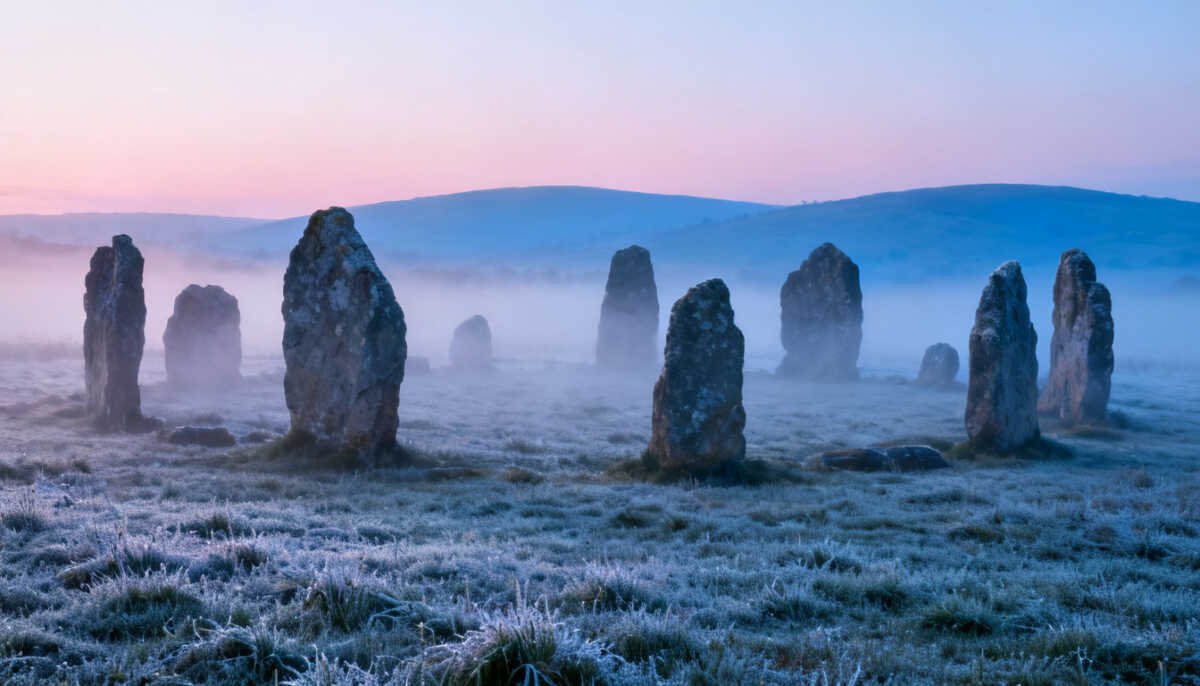
There’s something quietly powerful about standing inside a stone circle. No fences in your imagination—just wind, open sky, and stones that have watched thousands of years pass by. Across the UK, these prehistoric monuments still stand, inviting visitors to step into a world that predates written history. If you’re planning a trip (or just curious), here are ten ancient stone circles you can still visit today—each with its own story, atmosphere, and mystery.
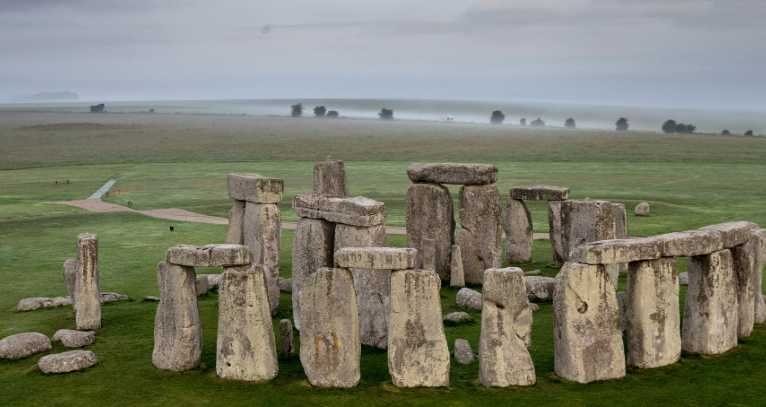
Let’s start with the obvious—but for good reason.
Built between roughly 3000 BC and 2000 BC, Stonehenge is one of the most famous prehistoric sites in the world. Its massive stones, some weighing over 20 tons, were arranged with remarkable precision.
What makes it fascinating isn’t just its size—it’s the alignment. During the summer solstice, the sun rises perfectly in line with the stones, suggesting it may have been used as a ceremonial or astronomical site.
What to know before visiting:
- Entry is ticketed and managed by English Heritage
- You can’t freely walk among the stones during regular hours, but special access tours exist
- Early morning or late evening visits feel more atmospheric
2. Avebury Stone Circle (England)
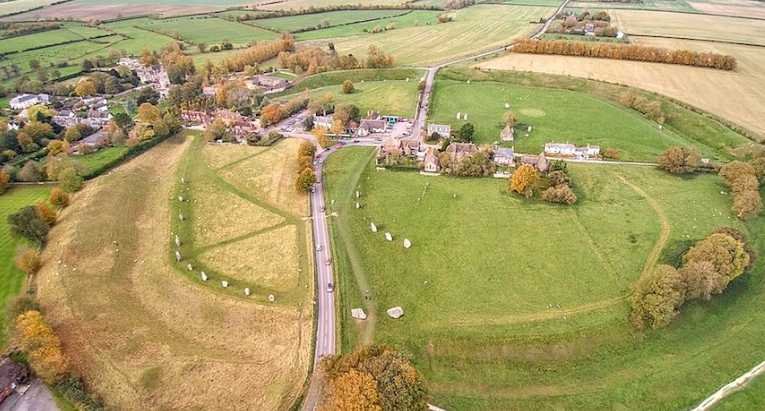
If Stonehenge feels controlled and curated, Avebury feels completely different—open, raw, and immersive.
This is actually the largest stone circle in the world, and unlike Stonehenge, you can walk right up to the stones.
What makes Avebury unique is that a small village sits inside the circle. You can literally have lunch, then wander among stones that are over 4,000 years old.
Why visitors love it:
- Free access to most areas
- Huge landscape with nearby sites like Silbury Hill
- Fewer crowds compared to Stonehenge
3. Ring of Brodgar (Scotland)
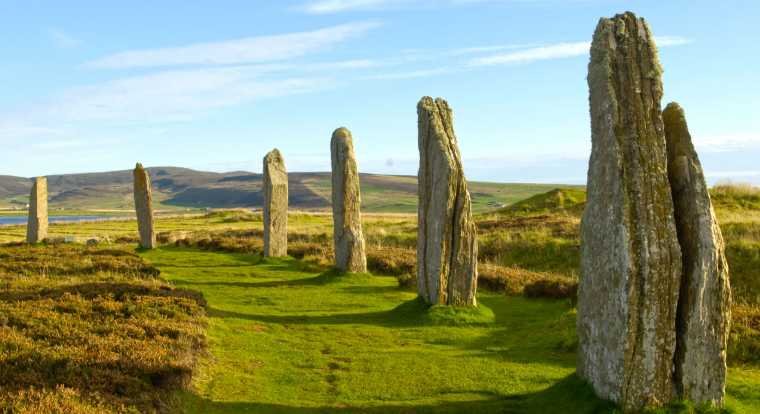
Set between two lochs in the Orkney Islands, this circle feels remote—and that’s part of its magic.
Dating to around 2500–2000 BC, the Ring of Brodgar is one of the largest stone circles in Britain, originally made up of about 60 stones.
The surrounding landscape is packed with ancient sites, making it feel less like a single monument and more like an entire prehistoric world.
Highlights:
- Wide open setting with dramatic views
- Part of the UNESCO-listed “Heart of Neolithic Orkney”
- Free to visit
4. Callanish Stones (Scotland)
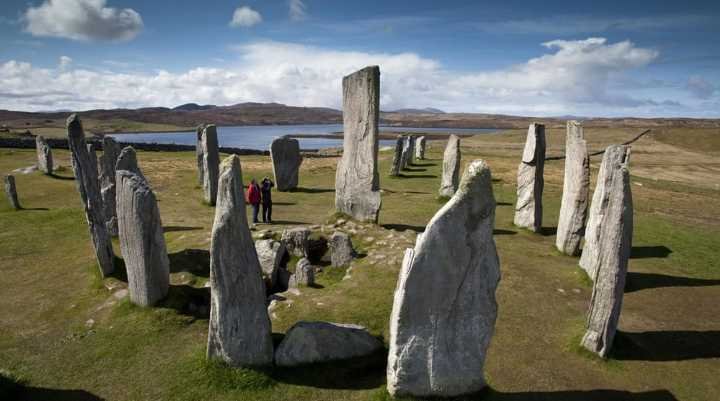
If you want something that feels truly mystical, this is it.
Built around 2900–2600 BC, the Callanish Stones form a unique cross-shaped layout with a central stone circle.
On a foggy day, the site looks almost unreal—like something out of a fantasy film.
What makes it special:
- Less crowded than southern sites
- Strong links to ancient rituals and folklore
- Surrounded by multiple smaller stone circles
5. Stanton Drew Stone Circles (England)
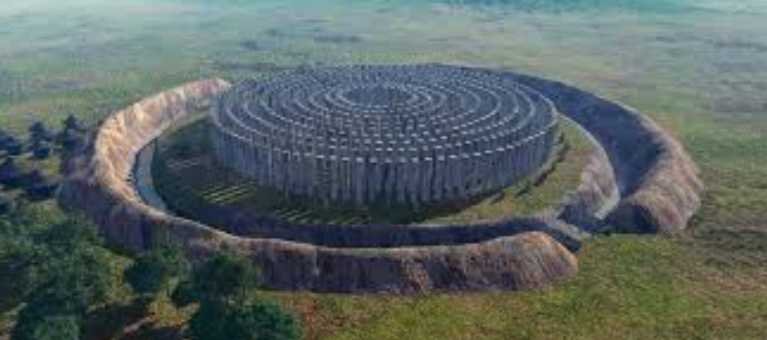
This one often gets overlooked—but that’s exactly why it’s worth visiting.
Stanton Drew is the third-largest stone circle complex in England and includes multiple circles, a “cove,” and other ancient features.
Unlike the more famous sites, it’s usually quiet. You might find yourself alone, standing among stones that have been there for over 4,000 years.
Why it’s worth your time:
- Peaceful, uncrowded atmosphere
- Multiple circles in one location
- Easy access from Bristol or Bath
6. Castlerigg Stone Circle (England)
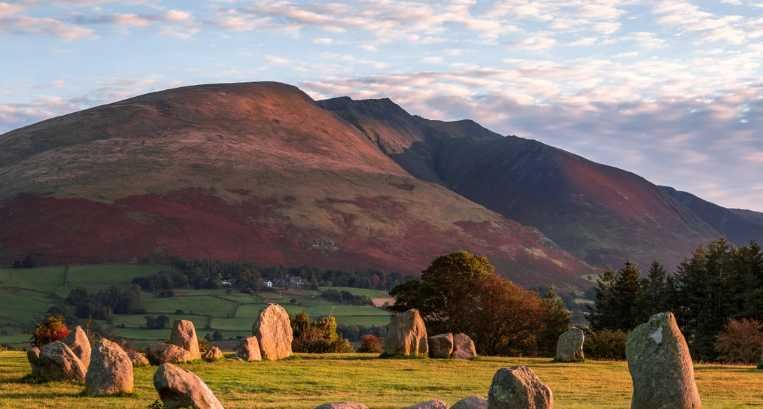
Tucked into the Lake District, Castlerigg Stone Circle is one of those places that feels almost too perfectly placed to be real.
Surrounded by mountains, this circle dates back to around 3000 BC and is often considered one of the oldest in Britain. The setting alone makes it unforgettable—on a clear day, you’ll see peaks in every direction.
Why it stands out:
- Incredible panoramic views
- Free access all year
- A smaller, more intimate circle compared to others
7. Long Meg and Her Daughters (England)
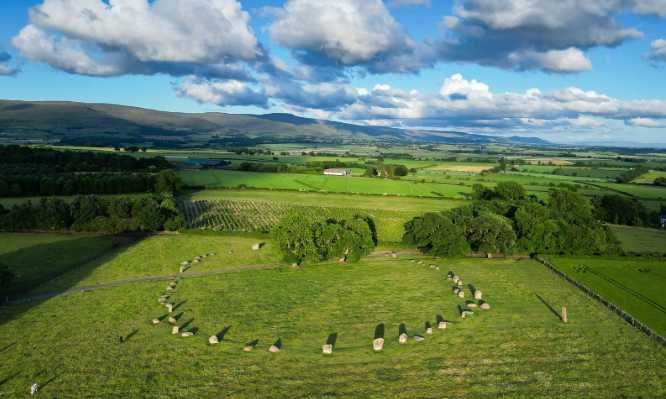
This site comes with one of the most memorable names—and a bit of folklore too.
Located near Penrith, Long Meg and Her Daughters is the second-largest stone circle in England. The legend says a witch (Long Meg) and her daughters were turned to stone for dancing on the Sabbath.
What you’ll find:
- A large outer circle with over 50 stones
- A towering red sandstone pillar (Long Meg herself)
- A peaceful countryside setting
8. Swinside Stone Circle (England)
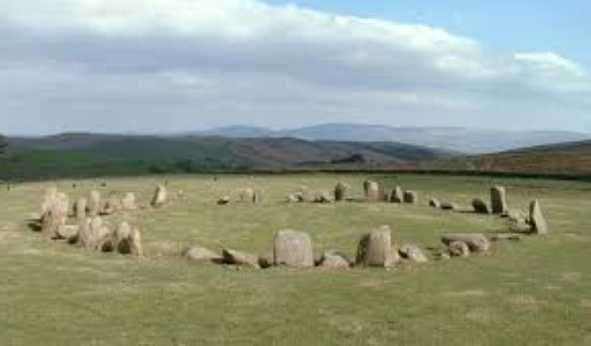
Also known as “Sunkenkirk,” Swinside Stone Circle is often described as one of the most complete and best-preserved stone circles in England.
Unlike the more famous sites, getting here requires a bit of effort—but that’s part of the charm.
Why it’s special:
- Nearly perfect circular shape
- Quiet, uncrowded location
- Surrounded by farmland and hills
9. Rollright Stones (England)
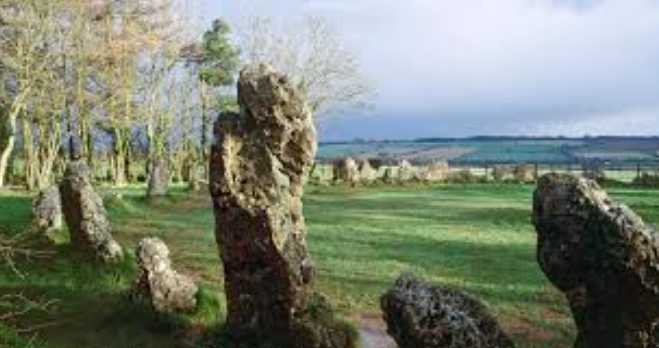
On the border between Oxfordshire and Warwickshire, Rollright Stones is actually a group of three separate monuments.
Each has its own story—and local legends add to the mystery.
What to expect:
- “The King’s Men” stone circle
- Whispering Knights (a burial chamber)
- A solitary standing stone known as the King Stone
10. Nine Ladies Stone Circle (England)
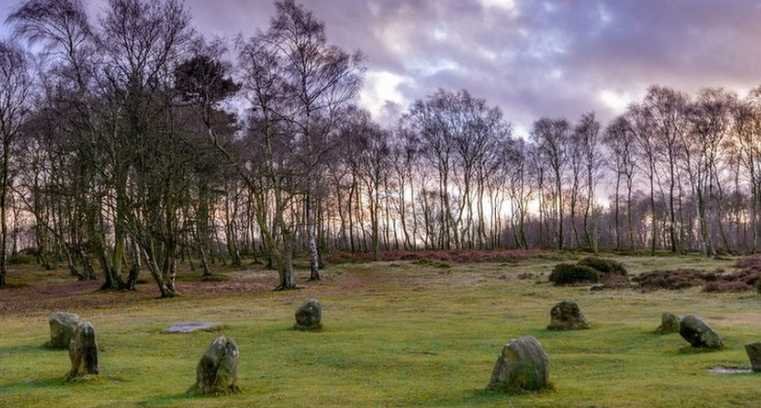
Small but atmospheric, Nine Ladies Stone Circle sits on Stanton Moor in the Peak District.
The circle is made up of nine stones (as the name suggests), and like many others, it comes with a legend—nine women turned to stone for dancing on a Sunday.
Why people love it:
- Easy walking trails nearby
- Peaceful woodland setting
- Great for a quiet, reflective visit
Final Thoughts
Exploring ancient stone circles in the UK isn’t just about ticking off landmarks—it’s about stepping into places that have quietly stood for thousands of years. Whether you visit the iconic Stonehenge or wander freely through Avebury Stone Circle, each site offers a different kind of connection to the past. Take your time, respect the surroundings, and let the atmosphere do the rest.
Frequently Asked Questions (FAQ)
Q: Which stone circle is best for first-time visitors?
Stonehenge is the most famous, but Avebury offers a more interactive experience.
Q: Are these sites free to visit?
Some are free (like Avebury), while others (like Stonehenge) require tickets.
Q: Can you walk among the stones?
Yes at many sites, but access is restricted at Stonehenge unless you book special access.
Q: What’s the best time to visit?
Early morning or late afternoon for fewer crowds and better atmosphere.
Q: Are stone circles suitable for families?
Yes, but wear proper shoes—ground can be uneven.

I am Sabiq Hasan Rasel. Coffee with Travel, Recipes & Reviews is a cozy and engaging content space that blends a love of coffee with exciting travel experiences, delicious recipes, and honest reviews. It offers inspiration for coffee lovers who enjoy exploring new places, trying unique flavors, and discovering lifestyle tips along the way.