Australia isn’t just about beaches and wildlife — it’s also home to some of the world’s most iconic national monuments. What makes these places special isn’t just how they look, but the stories behind them — from ancient Aboriginal heritage to modern architectural brilliance. If you’re planning a trip in 2026 (or just building your bucket list), these are the 15 monuments I believe truly represent Australia’s identity.
1. Sydney Opera House
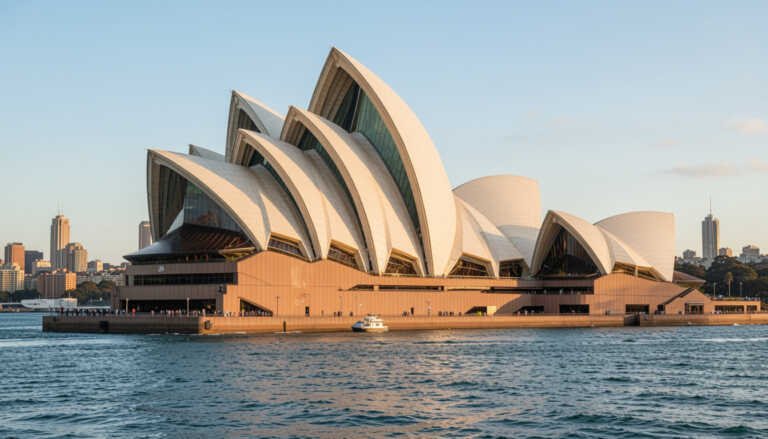
You’ve probably seen it in photos a hundred times, but nothing prepares you for seeing it in real life. Sitting on Sydney Harbour, this sail-shaped masterpiece is one of the most recognizable buildings in the world.
History: Designed by Danish architect Jørn Utzon, construction began in 1959 and it officially opened in 1973. Today, it’s a UNESCO World Heritage Site and hosts over 1,800 performances every year.
- Best time to visit: Sunset (for photos)
- Entry: Free outside, paid guided tours inside
- Time needed: 1–2 hours (longer if attending a show)
2. Uluru
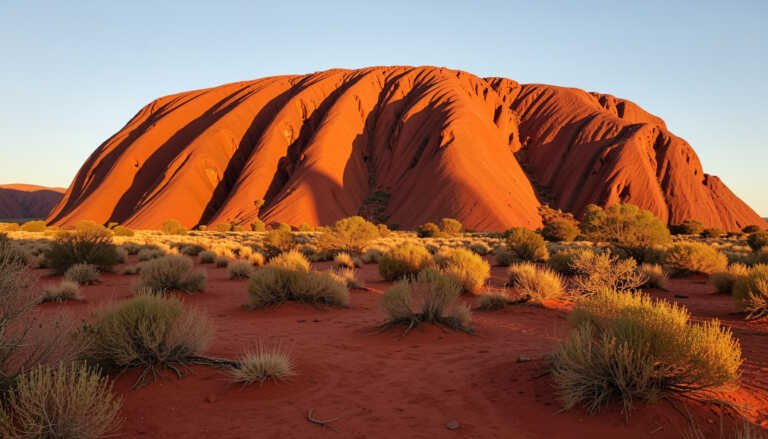
Uluru isn’t just a rock — it’s the spiritual heart of Australia.
History & Cultural Significance: This massive sandstone monolith is sacred to the Anangu people, the traditional Aboriginal custodians of the land. It’s estimated to be over 500 million years old and is protected as part of a UNESCO-listed national park.
- Best time to visit: Sunrise or sunset (color changes are unreal)
- Important: Climbing Uluru is permanently banned out of respect for Indigenous culture
- Stay nearby: Yulara resort area
3. Sydney Harbour Bridge
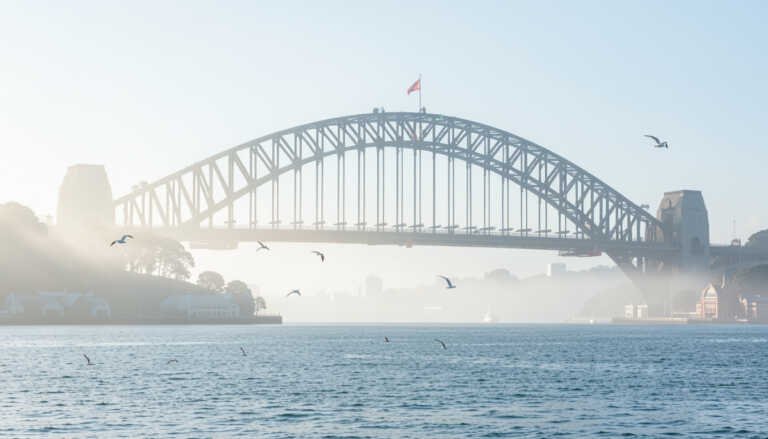
Nicknamed “The Coathanger,” this is one of the largest steel arch bridges in the world — and arguably the best way to experience Sydney.
History: Opened in 1932, the bridge became a symbol of Australia’s economic growth during the early 20th century.
- Must-do: BridgeClimb experience
- Free option: Walk or cycle across for panoramic views
- Best photo spot: Circular Quay
4. Port Arthur Historic Site
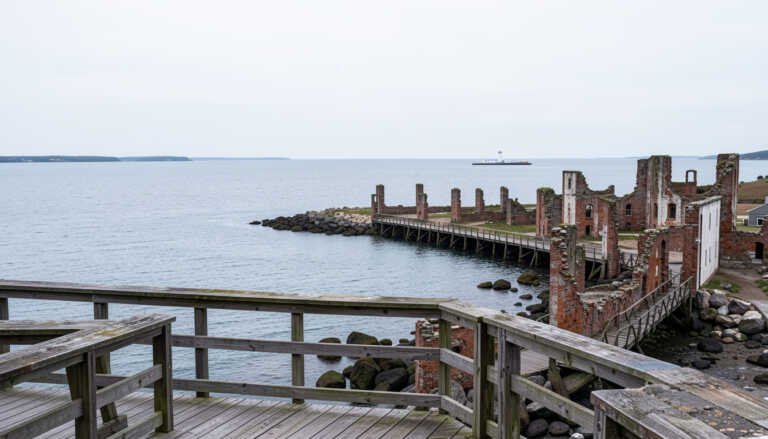
This site tells one of Australia’s most powerful and emotional stories — its convict past.
History: Established in the 19th century, Port Arthur was a penal settlement where thousands of convicts were imprisoned. Today, it’s a UNESCO World Heritage Site and one of the best-preserved convict sites in the world.
- Time needed: Half-day to full day
- Highlights: Guided tours, harbor cruise, historic ruins
- Tip: Visit early morning to avoid crowds
5. Australian War Memorial
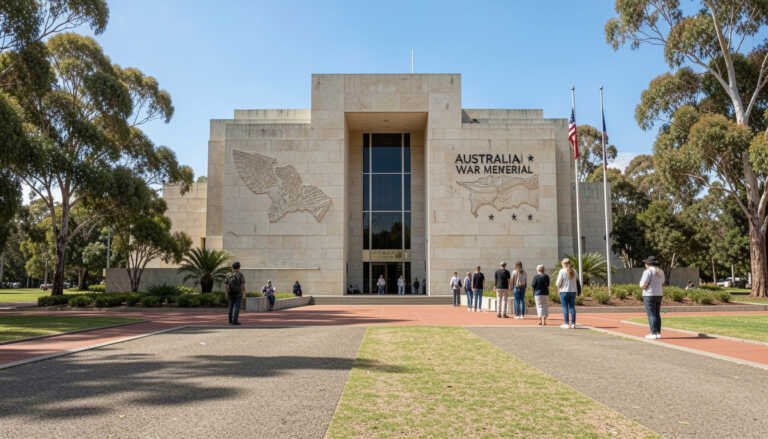
This is more than a monument — it’s a deeply moving tribute to Australians who served in wars.
History: Opened in 1941, the memorial combines a museum, shrine, and archive. It documents Australia’s military history and honors those who lost their lives.
- Entry: Free
- Don’t miss: The Last Post Ceremony (held daily)
- Time needed: 2–3 hours
6. Great Barrier Reef
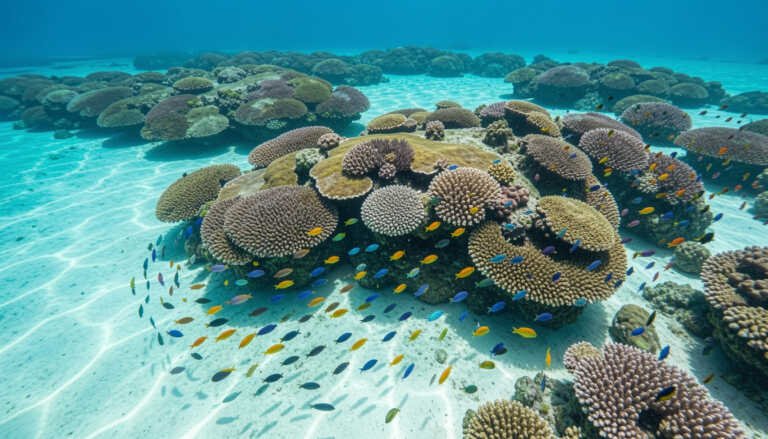
This isn’t just Australia’s most famous natural monument — it’s the largest coral reef system on Earth. You can literally see it from space.
History & Significance: Formed over millions of years, the reef stretches more than 2,300 km along Queensland’s coast. It’s home to thousands of marine species and is listed as a UNESCO World Heritage Site.
- Best time to visit: June to October (clear water & less humidity)
- Top activities: Snorkeling, scuba diving, helicopter tours
- Base towns: Cairns, Port Douglas
7. Royal Exhibition Building
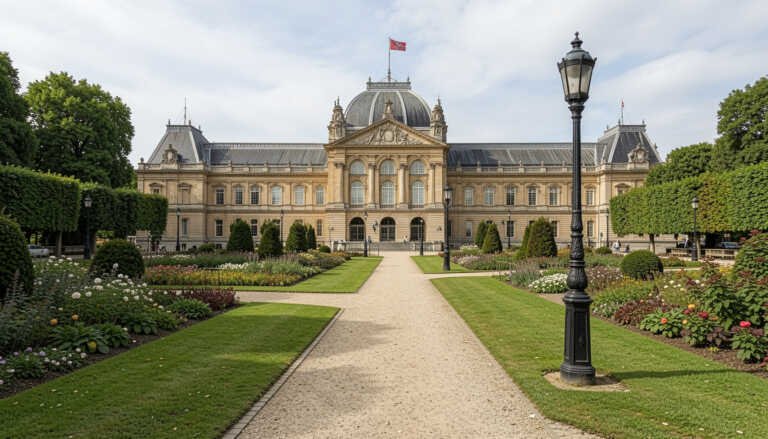
This is one of the oldest surviving exhibition pavilions in the world — and a rare example of 19th-century international exhibition architecture.
History: Built in 1880 for the Melbourne International Exhibition, it later hosted Australia’s first federal parliament in 1901. It remains a UNESCO-listed landmark.
- Location: Carlton Gardens
- Best time to visit: Morning for fewer crowds
- Tip: Combine with Melbourne Museum next door
8. Kakadu National Park
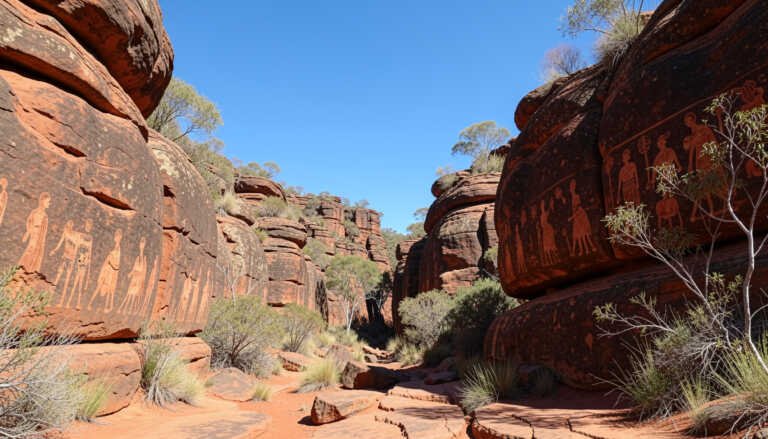
Kakadu feels like stepping into another world — waterfalls, wetlands, wildlife, and some of the oldest rock art on Earth.
History & Cultural Value: Aboriginal people have lived here for over 65,000 years. The rock art sites tell stories that go back thousands of generations.
- Best time to visit: Dry season (May–October)
- Must-see: Jim Jim Falls, Ubirr rock art
- Tip: Rent a 4WD for easier access
9. Fremantle Prison
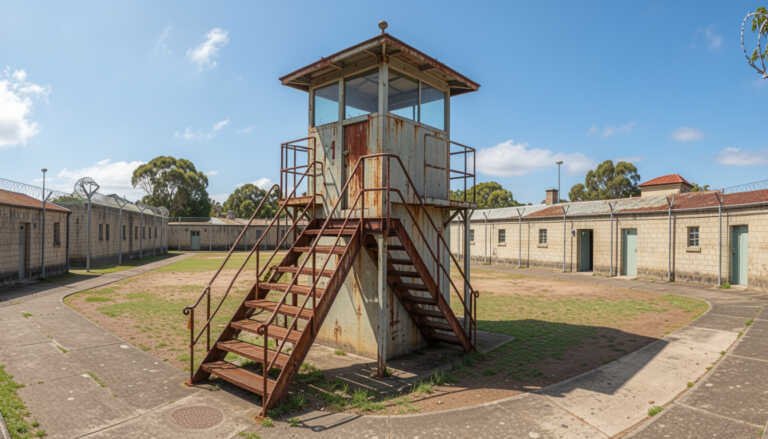
One of the most intact convict prisons in the Southern Hemisphere — and honestly, one of the most fascinating (and slightly eerie) places to visit.
History: Built by convicts in the 1850s, it operated as a prison until 1991. Today, it’s a UNESCO World Heritage Site offering immersive tours.
- Top experiences: Underground tunnel tour, night tour
- Time needed: 2–3 hours
- Location: 30 minutes from Perth
10. Parliament House
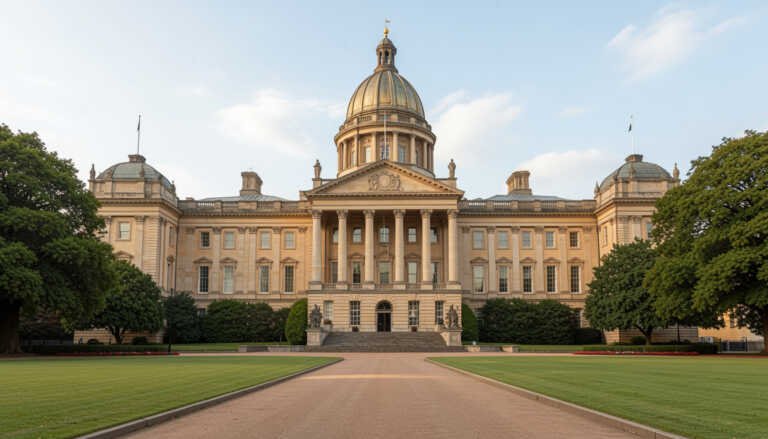
This is the political heart of Australia — but surprisingly, it’s also one of the most visitor-friendly government buildings.
History: Opened in 1988, it symbolizes modern Australian democracy. Visitors can even watch live parliamentary sessions when in session.
- Entry: Free
- Best time to visit: Weekdays for live sessions
- Don’t miss: The rooftop lawn with panoramic views
11. The Twelve Apostles
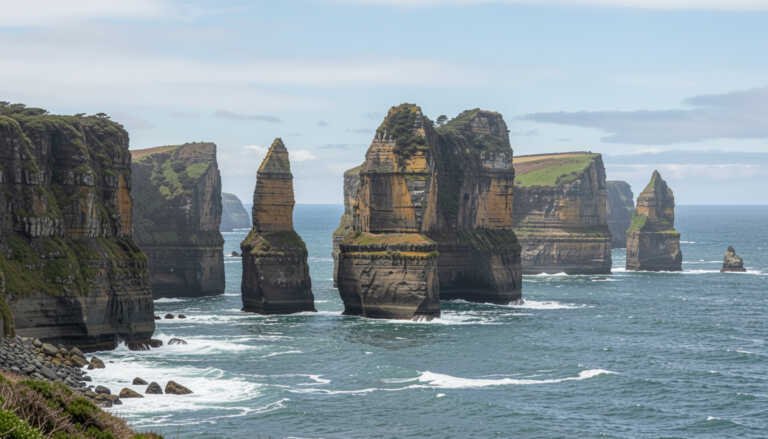
These dramatic limestone stacks rising from the ocean along the Great Ocean Road are one of the most photographed natural landmarks in Australia.
History & Formation: Despite the name, there were never actually twelve stacks — erosion has reduced the number over time. They were formed by wind and waves over millions of years.
- Best time to visit: Sunrise or sunset for golden light
- Location: About 4.5 hours from Melbourne
- Tip: Expect strong winds — bring a jacket
12. Wave Rock
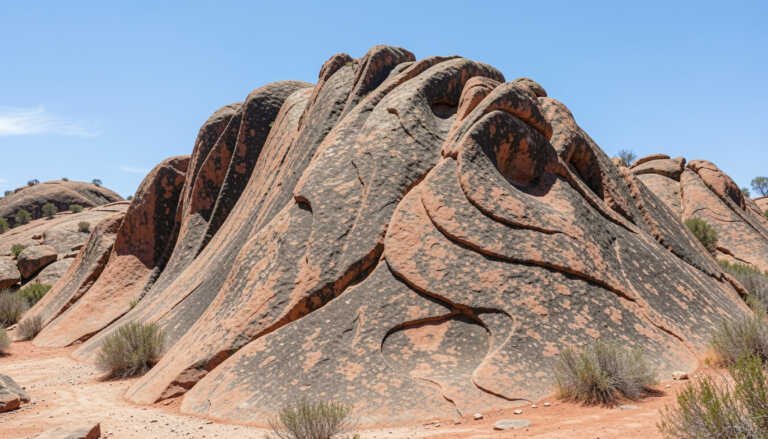
Wave Rock looks exactly like a giant ocean wave frozen in time — a natural illusion that feels almost unreal.
History & Geology: Estimated to be over 2.7 billion years old, the rock was shaped by weathering and water erosion over countless centuries.
- Best time to visit: Spring (wildflowers bloom nearby)
- Time needed: 1–2 hours
- Tip: Visit early to avoid crowds and heat
13. Shrine of Remembrance
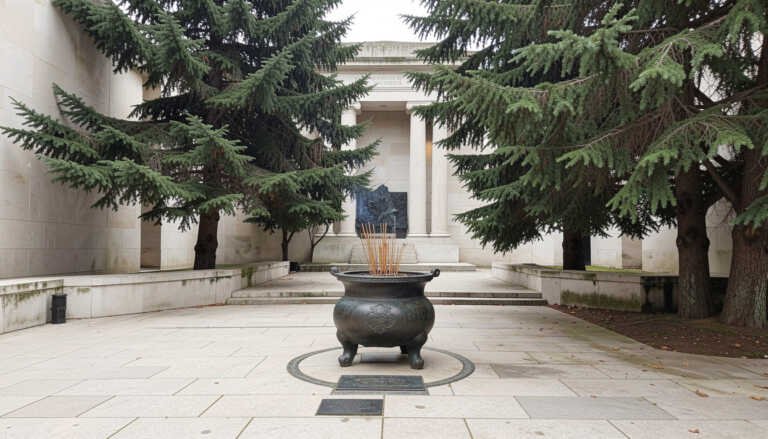
This solemn monument honors Australians who served in wars and peacekeeping missions.
History: Opened in 1934, the shrine was inspired by classical architecture and remains one of the most important memorials in the country.
- Entry: Free
- Best time: Midday ceremony when sunlight aligns with the Stone of Remembrance
- Tip: Climb to the balcony for city views
14. Mount Rushmore of Australia (Super Pit Lookout)
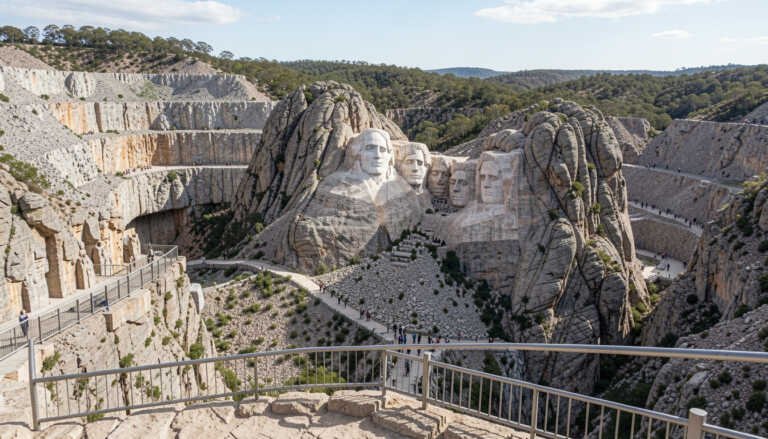
While not a traditional monument, the Super Pit is one of the largest open-cut gold mines in the world — a symbol of Australia’s mining heritage.
History: Gold was discovered in Kalgoorlie in the 1890s, sparking one of Australia’s biggest gold rushes.
- Best time to visit: Daytime for clear views
- Entry: Free (viewing platform)
- Tip: Combine with a Kalgoorlie heritage tour
15. Flinders Street Station
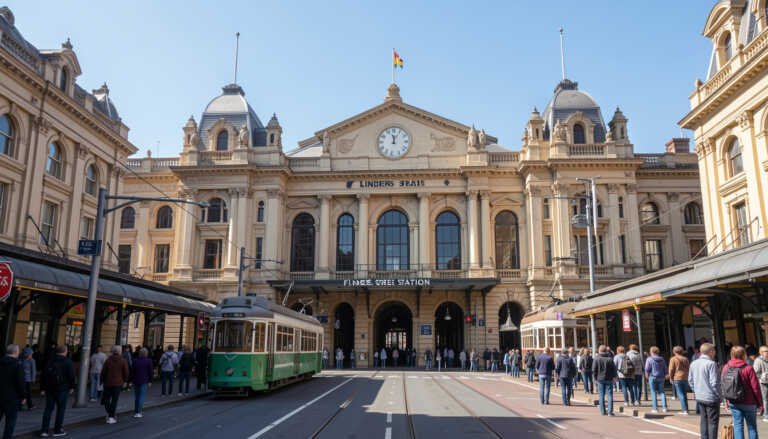
More than just a train station — it’s a cultural icon and one of Melbourne’s most recognizable landmarks.
History: Opened in 1910, it became a central meeting point for locals (“meet me under the clocks”).
- Best time: Evening when the building is lit up
- Location: Central Melbourne
- Tip: Great starting point to explore the city
Final Thoughts
Australia’s national monuments are more than just landmarks — they tell the story of the country’s ancient heritage, colonial past, natural wonders, and modern achievements. From the spiritual power of Uluru to the architectural marvel of the Sydney Opera House, each monument offers a unique experience. Whether you’re a first-time visitor or a local explorer, planning your 2026 trip around these 15 sites ensures a journey full of history, culture, and unforgettable sights.
Frequently Asked Questions (FAQs)
1. Which is the most famous monument in Australia?
The Sydney Opera House is the most iconic and widely recognized.
2. Are these monuments suitable for families?
Yes! Many, like the Great Barrier Reef, Flinders Street Station, and Port Arthur, offer family-friendly tours and activities.
3. Do I need tickets for all monuments?
Some are free (War Memorial, Shrine of Remembrance), while others require tickets or guided tours (Sydney Opera House, Uluru tours).
4. When is the best time to visit Australia’s monuments?
Spring (September–November) and autumn (March–May) offer mild weather and fewer crowds.
5. Can I visit all monuments in one trip?
It depends on your schedule. You can focus on clusters by region — for example, Sydney & Melbourne monuments, or Northern Territory & Queensland natural wonders.

I am Sabiq Hasan Rasel. Coffee with Travel, Recipes & Reviews is a cozy and engaging content space that blends a love of coffee with exciting travel experiences, delicious recipes, and honest reviews. It offers inspiration for coffee lovers who enjoy exploring new places, trying unique flavors, and discovering lifestyle tips along the way.