
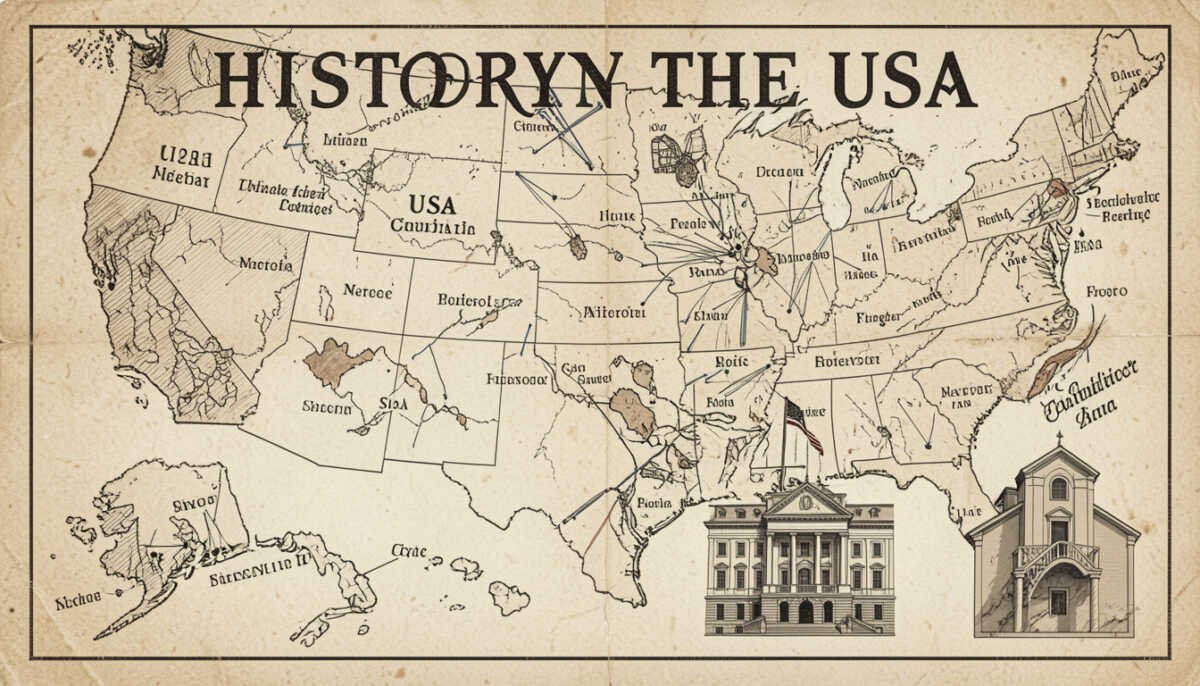
The history of the United States is a rich tapestry of ideas, struggles, and innovations that have shaped the nation we know today. Understanding the major events and timelines not only helps us appreciate the present but also gives context for future developments. This guide will take you through key events, influential figures, and stories that define U.S. history in an easy-to-follow timeline.
1. The Founding of the United States (1607–1789)
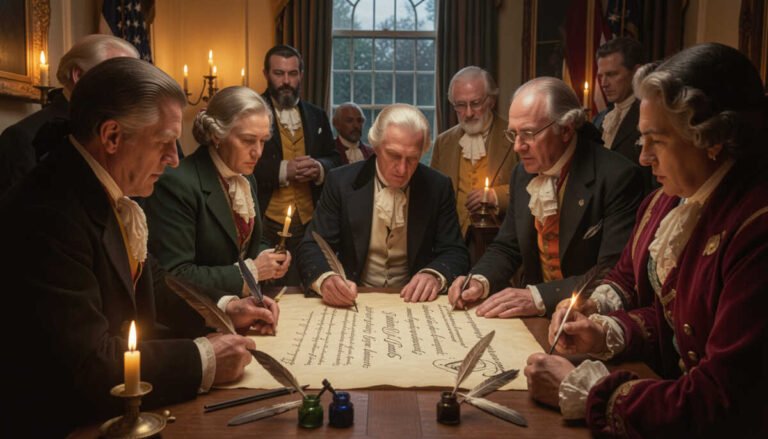
The early history of America begins with colonization. Jamestown, Virginia, established in 1607, became the first permanent English settlement. Over the next century, colonies expanded along the Atlantic coast.
- Declaration of Independence (1776): Written by Thomas Jefferson, it declared the colonies free from British rule.
- American Revolution (1775–1783): Colonists fought for independence, leading to the Treaty of Paris in 1783.
- U.S. Constitution (1787): Established the federal government and the Bill of Rights (1791) to protect individual liberties.
2. Expansion and Conflict (1800–1865)

The 19th century was marked by territorial expansion, conflict, and social change.
Key moments:
- Louisiana Purchase (1803): Doubled U.S. territory.
- Civil War (1861–1865): A defining conflict over slavery and states’ rights, resulting in the abolition of slavery with the 13th Amendment.
- Reconstruction Era (1865–1877): Efforts to rebuild the South and integrate formerly enslaved people into society.
3. Industrialization and Immigration (1865–1914)
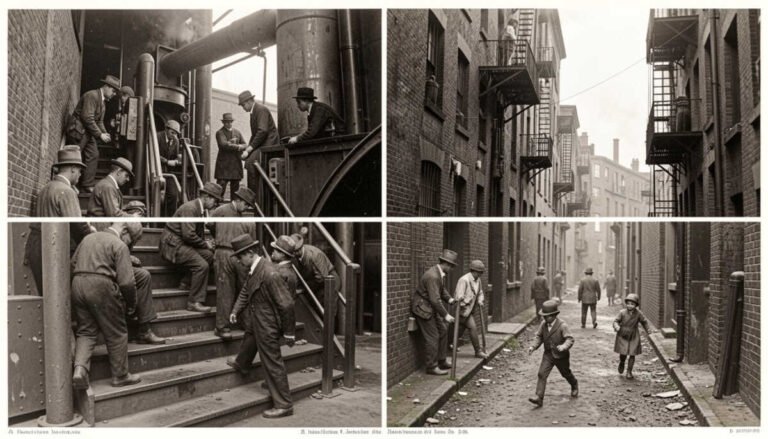
Post-Civil War America experienced rapid industrial growth and significant immigration, shaping modern U.S. society.
- The Gilded Age: Economic boom and the rise of influential industrialists like Andrew Carnegie and John D. Rockefeller.
- Immigration Waves: Millions arrived from Europe and Asia, contributing to cultural diversity.
- Labor Movements: Workers fought for rights, leading to the formation of unions and labor laws.
4. America on the Global Stage (1914–1945)
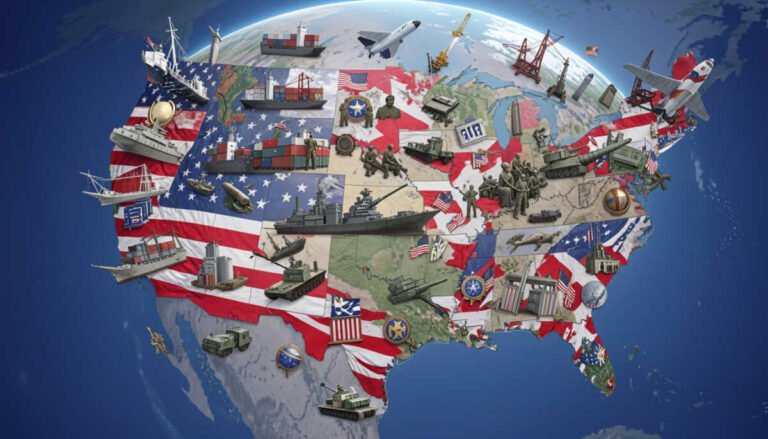
U.S. involvement in global conflicts defined this era.
- World War I (1917–1918): U.S. joined the Allies, influencing the post-war world order.
- Great Depression (1929–1939): Economic hardship led to Franklin D. Roosevelt’s New Deal programs.
- World War II (1941–1945): U.S. emerged as a global superpower after victory in both Europe and the Pacific.
5. Civil Rights and Social Change (1945–1980s)
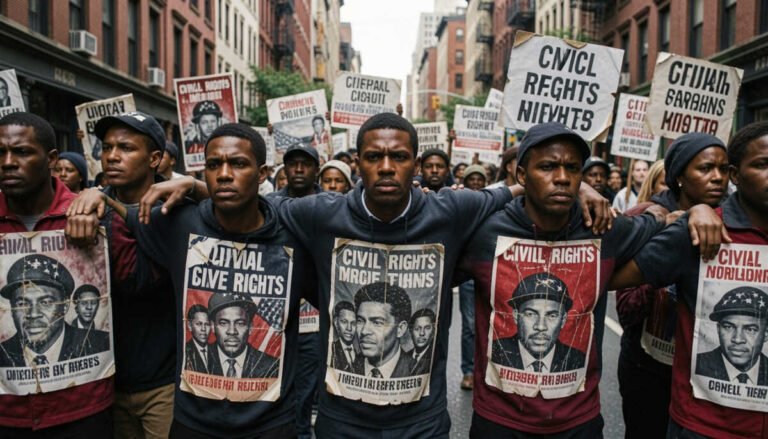
After World War II, the United States saw transformative social movements.
- Civil Rights Movement: Leaders like Martin Luther King Jr. fought for equality, culminating in landmark laws like the Civil Rights Act (1964).
- Women’s Rights Movement: Advocacy for gender equality led to significant changes in workplace rights and social norms.
- Vietnam War & Protests: Shaped public opinion on foreign policy and civil liberties.
6. Modern America (1990s–2026)

The contemporary era is defined by technology, globalization, and political shifts.
- Technological Revolution: The rise of the internet, smartphones, and AI is reshaping everyday life.
- 9/11 and Global Conflicts: Terrorism and foreign interventions influenced U.S. security policies.
- Cultural Shifts: Greater awareness of social justice, climate change, and diversity is shaping politics and society.
Key Takeaways
- U.S. history is a story of resilience, innovation, and transformation.
- Understanding timelines helps make sense of current events.
- Social movements, wars, and cultural shifts have consistently redefined American identity.
Final Thoughts
U.S. history is more than dates and events—it’s the story of people, struggles, and ideas that shaped a nation. By exploring key moments, from the founding to modern times, we gain perspective on today’s society and the challenges ahead. Understanding this history helps us appreciate the resilience, diversity, and innovation that continue to define America.
Frequently Asked Questions (FAQ)
Q1: What is the most significant event in U.S. history?
While opinions vary, many historians consider the American Revolution and the Civil War as turning points that shaped the nation’s identity.
Q2: Where can I see primary U.S. historical documents?
The National Archives houses original documents like the Declaration of Independence and the Constitution.
Q3: How did immigration influence U.S. history?
Immigration brought diverse cultures, labor, and ideas, fueling industrial growth and cultural richness.
Q4: Which U.S. President had the most impact on history?
Presidents like Abraham Lincoln, Franklin D. Roosevelt, and Thomas Jefferson had profound impacts due to their leadership during crises and reforms.
Q5: How is U.S. history relevant today?
Studying history helps understand current political, social, and cultural issues, guiding future decisions.

I am Sabiq Hasan Rasel. Coffee with Travel, Recipes & Reviews is a cozy and engaging content space that blends a love of coffee with exciting travel experiences, delicious recipes, and honest reviews. It offers inspiration for coffee lovers who enjoy exploring new places, trying unique flavors, and discovering lifestyle tips along the way.