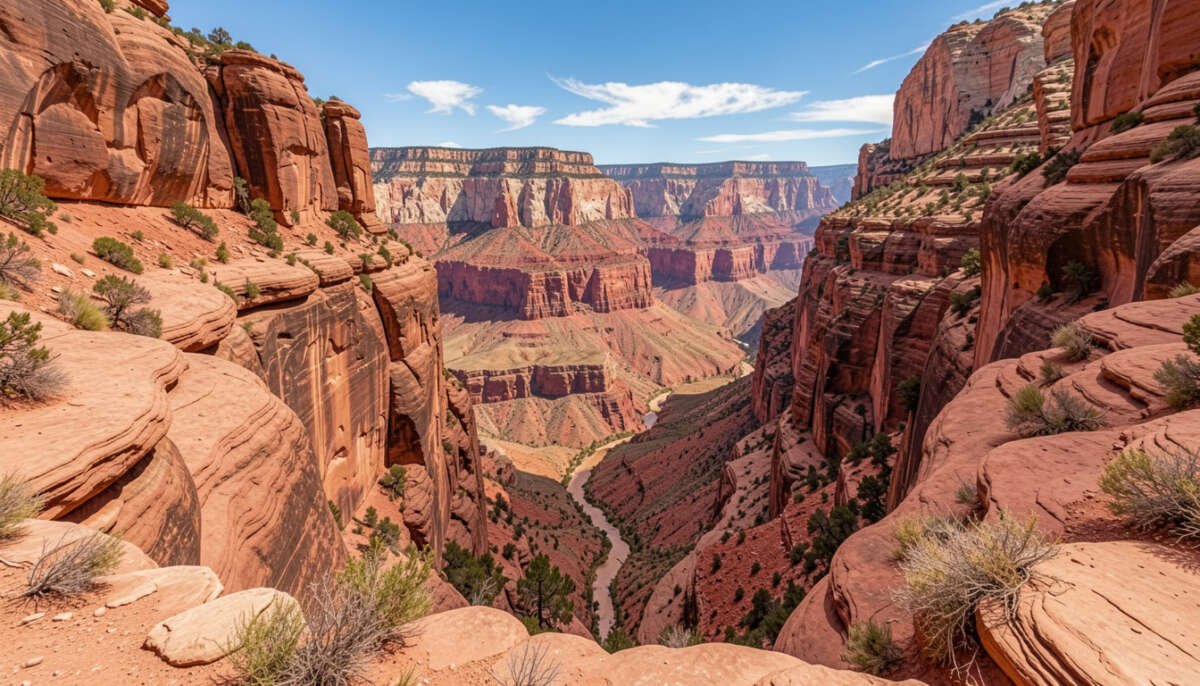
There’s something unforgettable about desert canyons in the United States. The scale, the colors, the silence—it all feels unreal until you’re actually standing there. I’ve explored quite a few of them, and honestly, no two are the same. Some are massive and overwhelming, while others are narrow, quiet, and almost mysterious. If you’re planning a trip in 2026, these 15 desert canyons should be at the top of your list.
1. Grand Canyon (Arizona)
Let’s start with the obvious—but it’s famous for a reason.
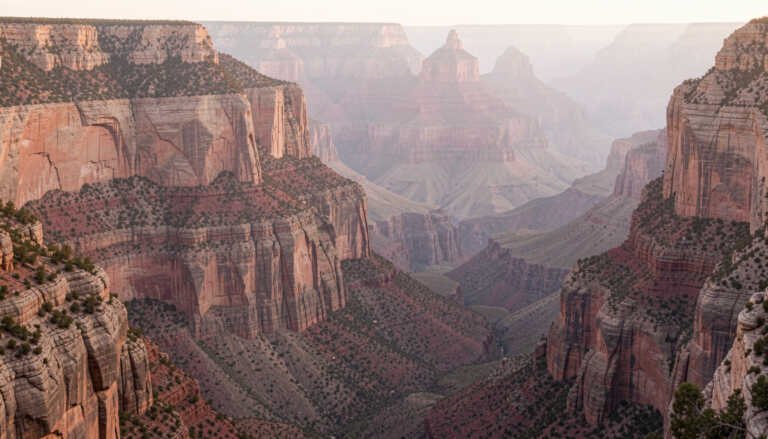
The Grand Canyon is one of the most breathtaking natural wonders in the world. Stretching over 277 miles, it’s not just big—it’s layered with millions of years of geological history.
What makes it special is how dramatically the landscape changes depending on where you stand. Sunrise and sunset completely transform the canyon, with deep reds and oranges lighting up the cliffs.
- Best viewpoints: South Rim (easy access), North Rim (less crowded)
- Ideal time: March–May and September–November
- Must-do: Walk part of the Bright Angel Trail
2. Zion Canyon (Utah)
If the Grand Canyon feels vast, Zion Canyon feels immersive.
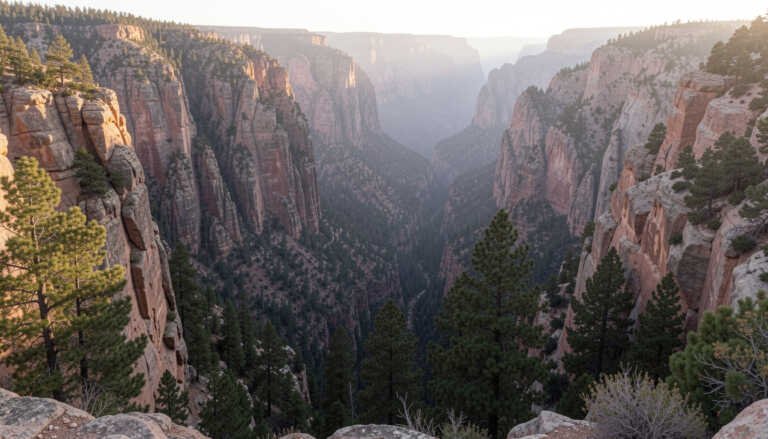
Located inside Zion National Park, this canyon is deep, narrow, and surrounded by towering sandstone cliffs carved by the Virgin River.
What I loved most here is how close you get to everything. You’re not just looking at the canyon—you’re inside it.
- The Narrows (walking through a river between canyon walls)
- Angels Landing (if you’re up for a challenge)
- Scenic drive through the canyon
3. Bryce Canyon (Utah)
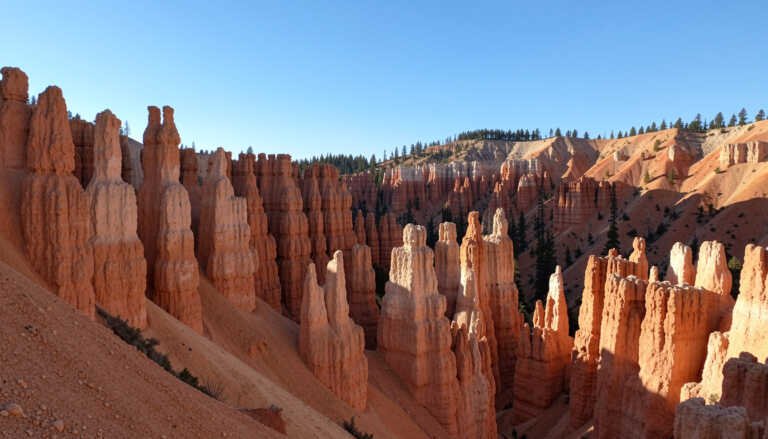
Technically, Bryce Canyon isn’t a canyon—it’s a series of natural amphitheaters filled with unique rock formations called hoodoos.
But honestly, that’s what makes it even more special.
The landscape looks almost alien, especially at sunrise when the orange and pink spires glow.
- Thousands of hoodoos (tall, thin rock spires)
- Incredible viewpoints like Sunrise Point
- Easy hiking trails for beginners
- Best tip: Visit early in the morning to avoid crowds and catch the best light.
4. Antelope Canyon (Arizona)
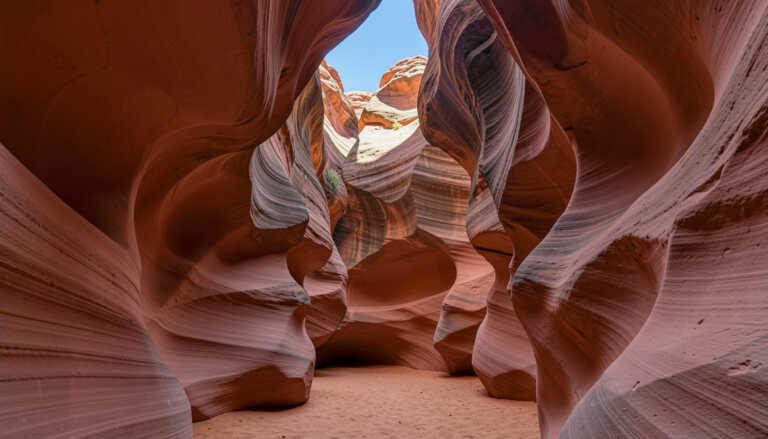
Antelope Canyon is probably the most photographed slot canyon in the USA—and once you see it, you’ll understand why.
This canyon is famous for its smooth, wave-like sandstone walls and magical light beams that shine through narrow openings above.
- You can only visit with a guided tour
- Best time: Midday for light beams
- It’s divided into Upper and Lower Antelope Canyon
- This is one of those places where photos don’t fully capture the experience—it feels surreal in person.
5. Canyonlands National Park (Utah)
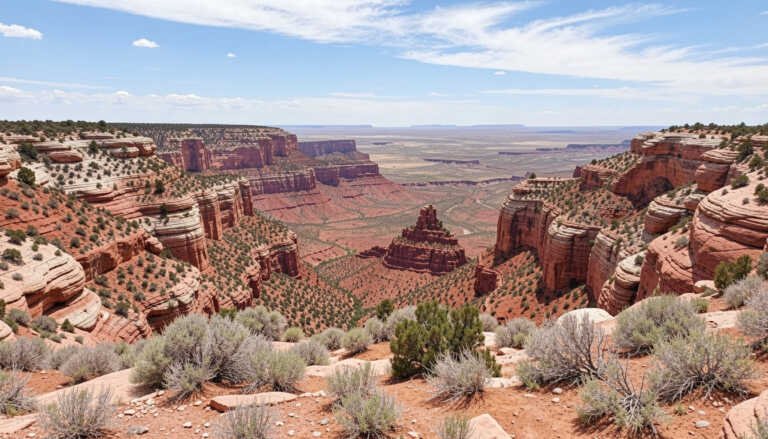
If you want something less crowded but equally stunning, Canyonlands National Park is a hidden gem.
This park is massive and divided into districts, each offering a different perspective of the desert landscape. Think vast canyons, mesas, and rugged terrain stretching as far as you can see.
- Fewer tourists compared to Zion or Grand Canyon
- Epic viewpoints like Mesa Arch
- Perfect for photography and road trips
6. Horseshoe Bend (Arizona)
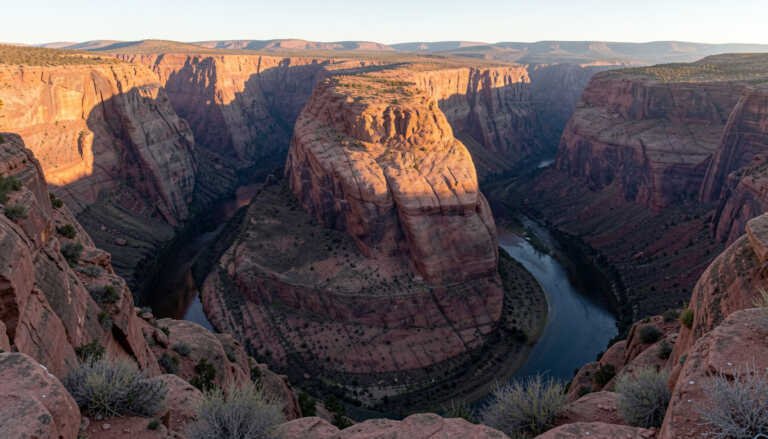
This is one of the most iconic canyon views in the United States—and for good reason.
Horseshoe Bend is a dramatic curve in the Colorado River, forming a near-perfect horseshoe shape carved into red rock cliffs. It’s not a hike-heavy destination, which makes it perfect for quick visits.
- One of the most photographed canyon views in the USA
- Easy 10–15 minute walk to the viewpoint
- Stunning at sunset
- Travel tip: There are no railings at the edge, so be careful when taking photos.
7. Buckskin Gulch (Utah/Arizona Border)
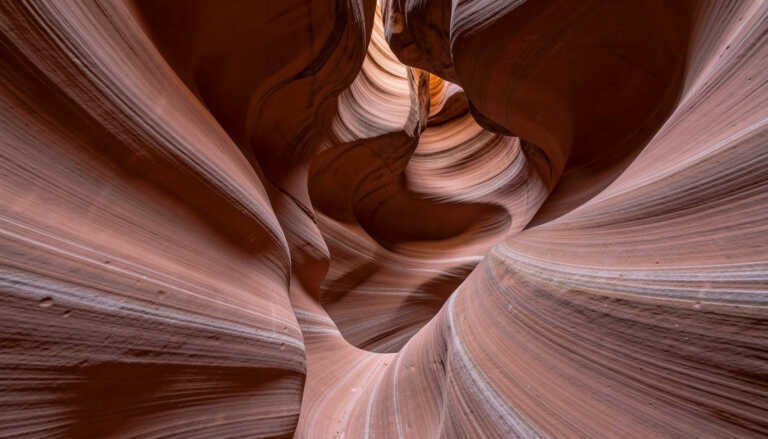
If you’re into adventure, Buckskin Gulch is something else.
It’s considered one of the longest and deepest slot canyons in the world. The narrow passages and towering walls create an intense, almost otherworldly experience.
- Extremely narrow sections (sometimes just a few feet wide)
- Less crowded than Antelope Canyon
- Ideal for experienced hikers
- Important: Always check weather conditions—flash floods can be dangerous here.
8. Waimea Canyon (Hawaii)
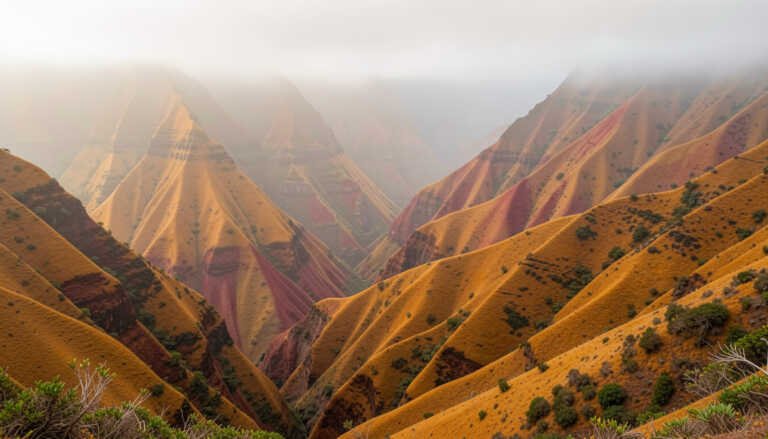
Often called the “Grand Canyon of the Pacific,” Waimea Canyon offers a completely different vibe compared to mainland desert canyons.
Instead of dry red rock, you’ll see lush greenery mixed with deep red soil, waterfalls, and tropical scenery.
- Unique mix of canyon + rainforest
- Scenic drives with multiple viewpoints
- Cooler climate compared to mainland deserts
9. Black Canyon of the Gunnison (Colorado)
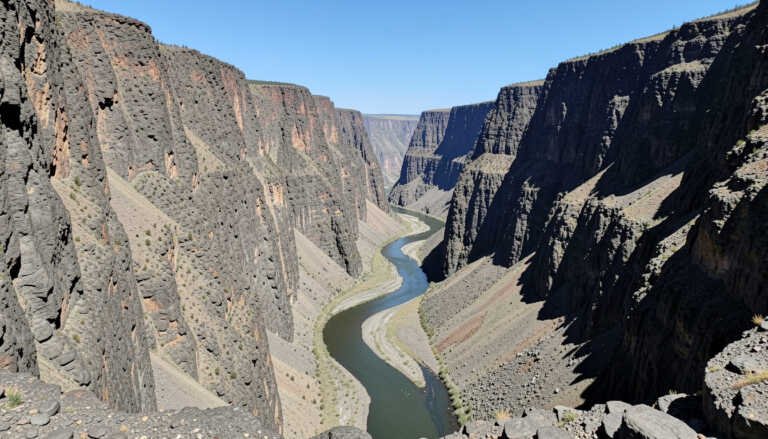
This canyon doesn’t get as much attention—but it should.
The Black Canyon is incredibly steep and narrow, with some of the darkest and most dramatic rock walls you’ll ever see. The Gunnison River carved it over millions of years.
- Sheer cliffs dropping almost straight down
- Epic viewpoints like Painted Wall
- Great for sunrise photography
- It feels raw, rugged, and far less commercial than places like the Grand Canyon.
10. Red Rock Canyon (Nevada)
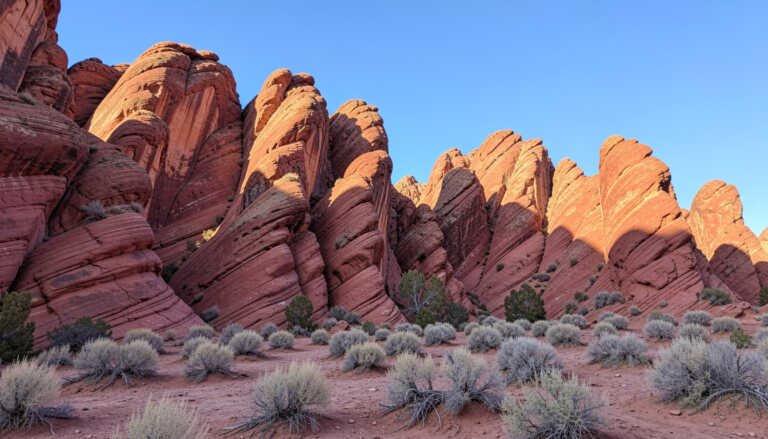
Just a short drive from Las Vegas, Red Rock Canyon is perfect if you want canyon views without traveling too far.
It’s known for its vibrant red sandstone formations and scenic loop drive.
- Close to Las Vegas (great for short trips)
- Beautiful hiking and rock climbing spots
- Less crowded than major national parks
11. Canyon de Chelly (Arizona)
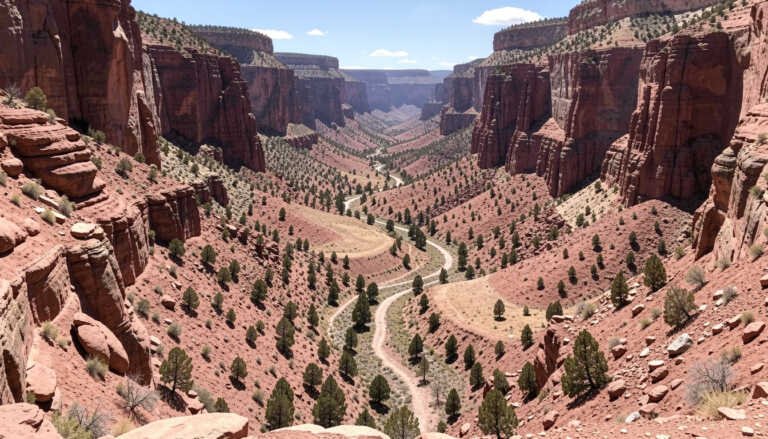
Canyon de Chelly is not just beautiful—it’s deeply cultural and historic.
This canyon has been home to Native American communities for thousands of years, and you can still see ancient cliff dwellings tucked into the rock walls.
- Rich Navajo history and heritage
- Unique white-and-red rock contrast
- Spider Rock—an 800-foot sandstone spire
- Tip: You’ll need a Navajo guide to explore certain parts of the canyon floor.
12. Kings Canyon (California)
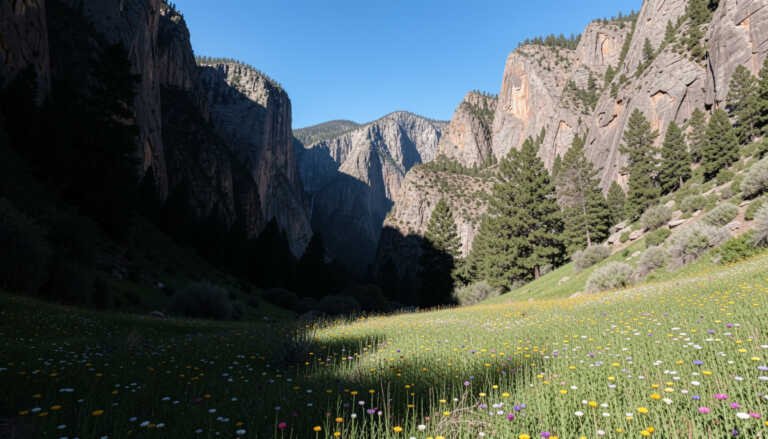
While many people visit Yosemite, Kings Canyon often flies under the radar.
It’s one of the deepest canyons in North America, carved by glaciers and rivers, offering a mix of rugged cliffs and forested beauty.
- Massive granite walls
- Scenic drives like Kings Canyon Scenic Byway
- Peaceful atmosphere with fewer crowds
13. Palo Duro Canyon (Texas)
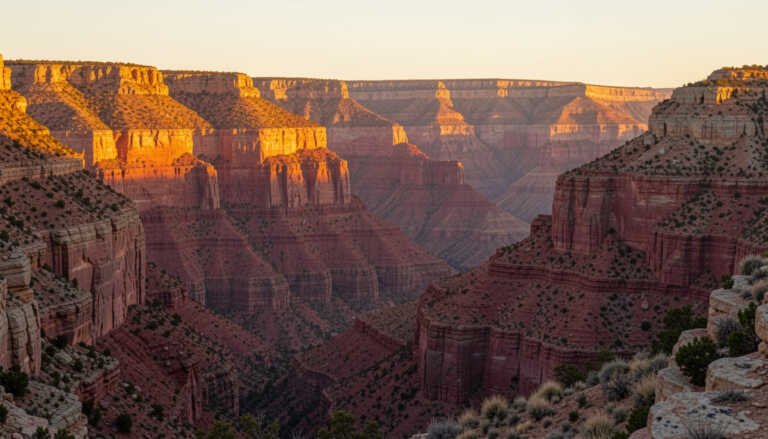
Known as the “Grand Canyon of Texas,” Palo Duro Canyon is the second-largest canyon in the United States.
It’s colorful, wide, and surprisingly less crowded compared to more famous destinations.
- Vibrant red, orange, and yellow rock layers
- Great for hiking, biking, and camping
- Famous Lighthouse Rock formation
14. Glen Canyon (Arizona/Utah)
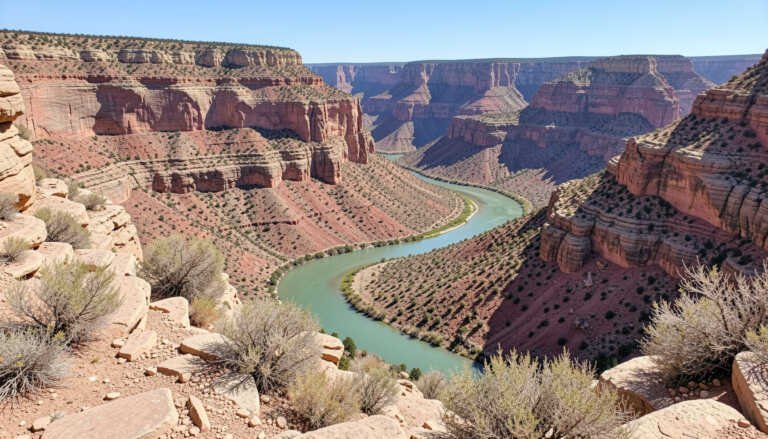
Glen Canyon is often overlooked, but it offers some of the most scenic desert landscapes in the Southwest.
It includes the famous Lake Powell, where deep blue water contrasts beautifully with red rock cliffs.
- Combination of canyon + water views
- Boating, kayaking, and photography opportunities
- Less crowded than nearby national parks
15. Fish River Canyon USA (Nevada)

This one is lesser-known and often missed by tourists, but it offers a raw desert canyon experience.
Wide open spaces, rugged terrain, and peaceful surroundings make it ideal if you want to escape crowds.
- Quiet and off-the-beaten-path
- Great for experienced hikers
- Authentic desert landscape
Final Thoughts
Exploring desert canyons in the USA isn’t just about sightseeing—it’s about experiencing landscapes that feel almost unreal. From the vast scale of the Grand Canyon to the narrow, wave-like beauty of Antelope Canyon, every canyon offers something completely different.
If you’re planning your 2026 trip, try not to rush. Pick a few canyons, spend real time there, and explore beyond the main viewpoints. Some of the best moments happen when you take a quiet trail, catch a sunrise, or simply sit and take it all in.
No matter which ones you choose, these destinations will easily become some of the most memorable places you’ll ever visit.
Frequently Asked Questions (FAQs)
1. Which desert canyon is best for first-time visitors?
The Grand Canyon is the most accessible and beginner-friendly, with plenty of viewpoints and facilities.
2. What is the best time to visit desert canyons in the USA?
Spring (March–May) and fall (September–November) offer the best weather and fewer crowds.
3. Are permits required to visit these canyons?
Some locations like Antelope Canyon require guided tours, while others may need permits for specific hikes.
4. How many days do I need to explore multiple canyons?
Ideally, plan 5–7 days to comfortably visit 2–3 canyons without rushing.
5. Are desert canyons safe for tourists?
Yes, but always check weather conditions. Flash floods can occur in slot canyons, and summer heat can be extreme.
6. Can I visit multiple canyons in one trip?
Yes! Popular combinations include Utah’s Mighty 5 region and Arizona’s canyon routes, making it easy to visit several in one journey.

I am Sabiq Hasan Rasel. Coffee with Travel, Recipes & Reviews is a cozy and engaging content space that blends a love of coffee with exciting travel experiences, delicious recipes, and honest reviews. It offers inspiration for coffee lovers who enjoy exploring new places, trying unique flavors, and discovering lifestyle tips along the way.