
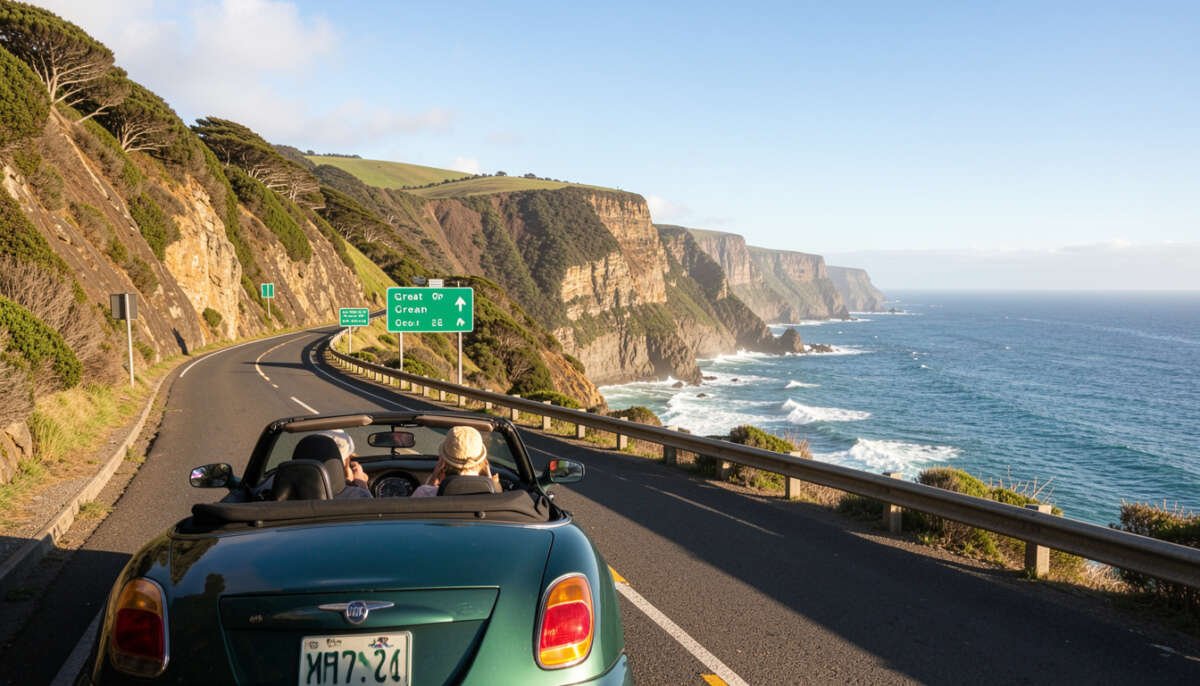
Whether you’re planning a breathtaking road trip from Sydney’s coastal highways to the vast Outback or simply want the freedom to explore at your own pace, driving in Australia as a tourist is one of the best ways to experience this incredible country. But Australia’s road laws, driving culture, and road conditions can be very different from what you’re used to at home. In this guide, I’ll walk you through everything you really need to know — from licence requirements to safety tips, road etiquette, and hidden costs — so you can drive with confidence and stay safe while enjoying your 2026 adventure.
1. Can You Legally Drive in Australia as a Tourist?
Yes — you can legally drive in Australia as a visitor in 2026, but you must meet a few conditions:
- You must carry a valid overseas driver’s licence. If it’s not in English, you need an International Driving Permit (IDP) or an accredited English translation.
- Each state and territory regulates how long you can drive on your foreign licence. For example:
- In New South Wales (NSW), tourists can drive with a valid overseas licence for up to six months.
- In Victoria, tourists can also drive with a valid international licence for up to six months.
- Tip: Always carry your passport and licence together when driving, because police may ask for both during a roadside check.
2. Driving on the Left is the Law
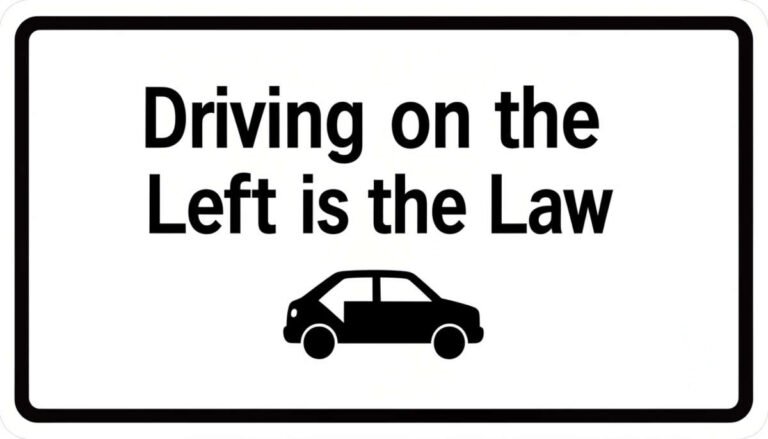
Australia drives on the left‑hand side of the road, and the steering wheel is on the right. This is opposite to the U.S., most of Europe, and many other countries, so:
- Remember to always start on the left side of the road.
- Stay in the left lane unless overtaking — and if you do overtake, pass on the right.
- This adjustment can take a few minutes or a few days to feel comfortable, but once you get it, it becomes second nature.
3. Key Road Rules That Tourists Must Know
Australia has strict traffic laws. Here are the essentials every tourist should remember:
Speed Limits
- Speed limits are in kilometres per hour (km/h) — not miles.
- Urban areas: usually 50 km/h unless signposted otherwise.
- Highways: usually 100–110 km/h on major freeways and rural roads.
Seatbelts
- Seatbelts are compulsory for all passengers at all times.
Mobile Phones
- Using a mobile phone while driving is illegal, even when stopped in traffic, unless it’s hands‑free.
Drink‑Driving
- The legal blood alcohol limit for most drivers is 0.05, and random breath testing is widespread.
Wildlife Alerts
- Especially at dawn and dusk, keep an eye out for wildlife (like kangaroos or wombats). Collisions with animals are common in rural and Outback areas.
Parking Rules
- Always park on the left side of the road, facing in the direction of travel. Parking signs like 2P or 3P indicate how many hours you can park.
4. Renting a Car in Australia
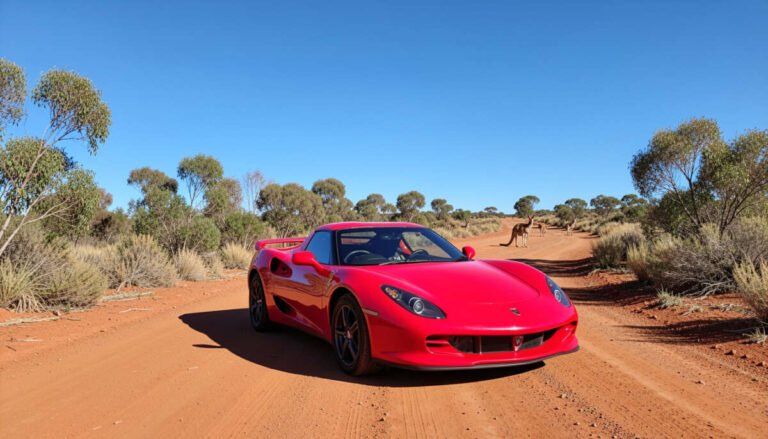
Most tourists choose to hire a car or campervan. Renting is straightforward:
- You’ll need your driver’s licence and IDP (if applicable).
- Some rental companies may require you to be over 21–25 years old.
- You’ll be offered insurance options — don’t skip coverage for peace of mind.
- Ask about toll passes if you plan to drive in cities (many have electronic toll roads).
- Helpful resource: Visit the official tourism guide at Tourism Australia for more tips: Tourism Australia’s driving info.
5. Practical Tips for Tourists
Here are some tips I wish I knew before driving in Australia:
Start Slow In Cities
Traffic in Sydney or Melbourne can be confusing for first‑timers. Allow extra time for busy intersections and unfamiliar road markings.
Plan Fuel and Navigation
Australia is vast. In remote areas:
- Mobile signal may be limited.
- Fuel stations can be far apart.
- Carry water, snacks, and a printed map in case GPS fails.
Take Regular Breaks
- Long drives can be exhausting. Stop every 1.5–2 hours to stretch, rest, and stay alert.
Wildlife Safety
- Wild animals are active at dawn and dusk, especially in rural and Outback regions. Slow down if you see signs, and always scan the road edges.
6. Common Tourist Mistakes to Avoid
Driving overseas is exciting, but tourists often slip up on a few things:
- Driving slightly on the wrong side at roundabouts or tight turns — this happens more than you’d think!
- Not understanding local rules like hook turns in Melbourne — specific to some intersections.
- Ignoring seatbelt laws or alcohol limits — even small breaches can lead to fines or legal trouble.
7. Sick of Google Myths? Get Official Information
For the most up‑to‑date and official driving rules and safety information, check government transport sites like:
- NSW driving rules: https://www.nsw.gov.au/driving-boating-and-transport/driver-and-rider-licences/visiting-or-moving-to-nsw/
- Victoria tourism driving tips: https://transport.vic.gov.au/road-rules-and-safety/tourists-driving-in-victoria
- These sites are authoritative and give real legal guidance — perfect for linking in your blog to increase credibility and user trust.
Final Thoughts
Driving in Australia as a tourist in 2026 is exciting and rewarding. With the right preparation — valid licence, understanding local rules, and staying alert for wildlife — you can safely explore cities, coastlines, and the Outback. Plan ahead, drive responsibly, and your Australian road trip will be unforgettable.
Frequently Asked Questions (FAQ)
Q1: Can I use my regular driver’s licence in Australia?
A: Yes, if it’s in English. Otherwise, you need an International Driving Permit (IDP).
Q2: Which side of the road do Australians drive on?
A: Australians drive on the left side of the road, with the steering wheel on the right.
Q3: What is the legal alcohol limit for drivers?
A: The standard blood alcohol limit is 0.05%, but always check local rules.
Q4: Are toll roads common?
A: Yes, especially in Sydney, Melbourne, and Brisbane. Many are cashless, so ask your rental company about electronic passes.
Q5: How far apart are fuel stations in rural areas?
A: In remote regions, fuel stations can be 50–200 km apart, so plan ahead and carry extra water.

I am Sabiq Hasan Rasel. Coffee with Travel, Recipes & Reviews is a cozy and engaging content space that blends a love of coffee with exciting travel experiences, delicious recipes, and honest reviews. It offers inspiration for coffee lovers who enjoy exploring new places, trying unique flavors, and discovering lifestyle tips along the way.