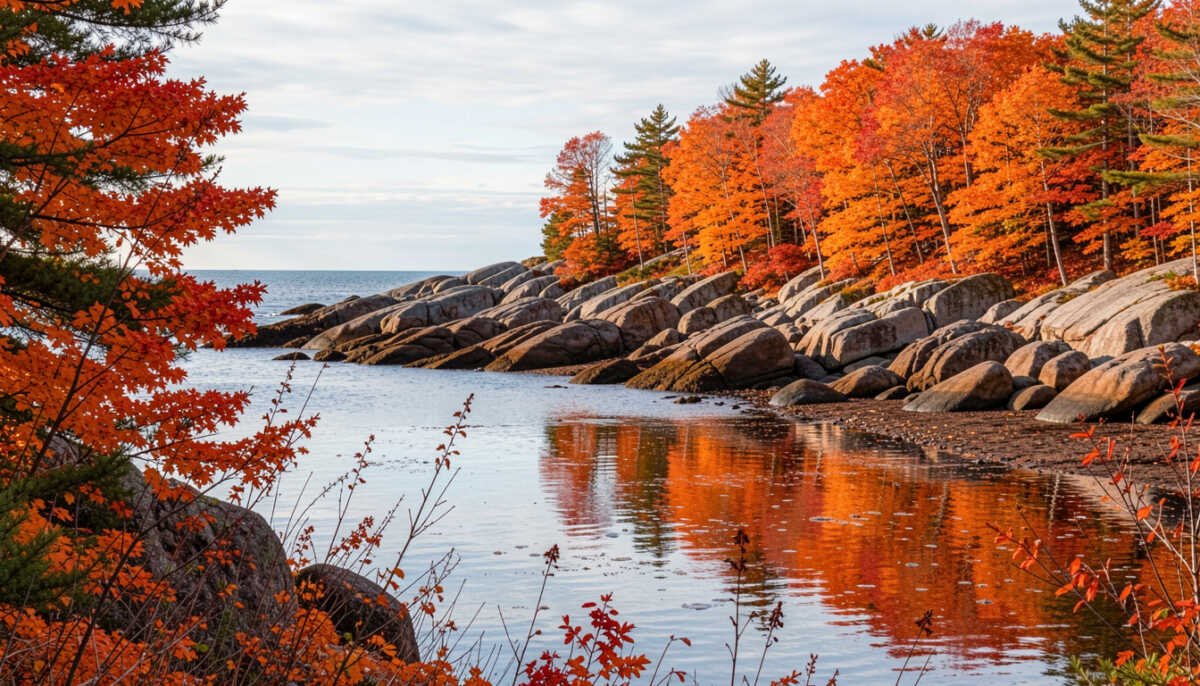
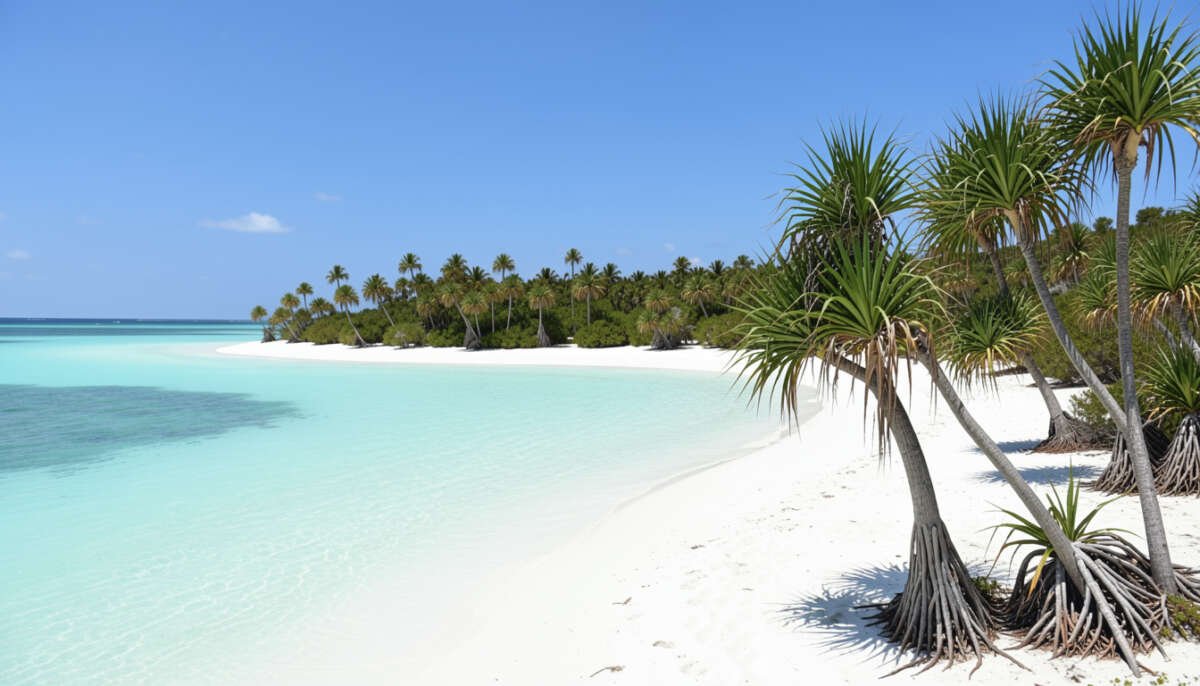
Australia is often called a continent, but what many travelers don’t realize is that it’s also surrounded by over 8,000 islands—each offering something completely different. From rugged wilderness to wildlife-rich coastlines, these islands are more than just dots on the map—they’re destinations worth planning a full trip around. If you’re wondering which ones truly stand out in size and travel experience, here are the top 10 largest islands in Australia you should explore in 2026.
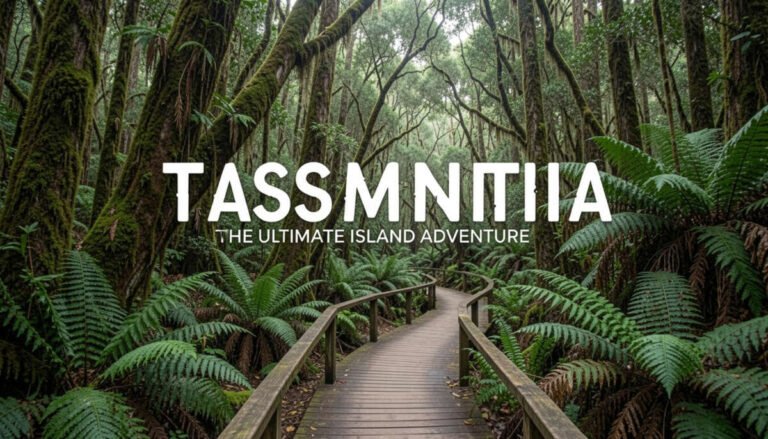
Location: South of mainland Australia
Size: ~62,400 km²
If you want a place that feels completely different from mainland Australia, Tasmania delivers. It’s not just the largest island—it’s an entire state packed with raw beauty.
- Over 40% protected national parks and reserves
- Dramatic landscapes like mountains, forests, and coastlines
- Famous for clean air, fresh seafood, and local produce
Top Experiences:
- Explore Cradle Mountain-Lake St Clair National Park
- Visit Freycinet National Park for Wineglass Bay
- Discover Hobart’s food and art scene
- Tasmania is bigger than it looks on the map—give yourself at least 5–7 days to explore properly.
2. Melville Island – Remote and Untouched
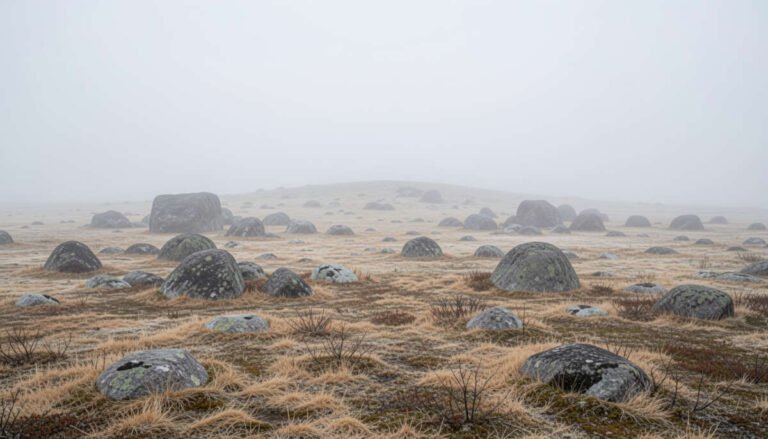
Location: Northern Territory
Size: ~5,786 km²
Melville Island is Australia’s second-largest island and one of its most remote. It’s part of the Tiwi Islands and offers a rare chance to experience Indigenous culture and untouched landscapes.
- Rich Tiwi Aboriginal culture
- Incredible fishing (especially barramundi)
- Very few tourists = authentic experience
Things to Know:
- You’ll need a permit to visit
- Best accessed via charter or guided tours
3. Kangaroo Island – Wildlife Paradise
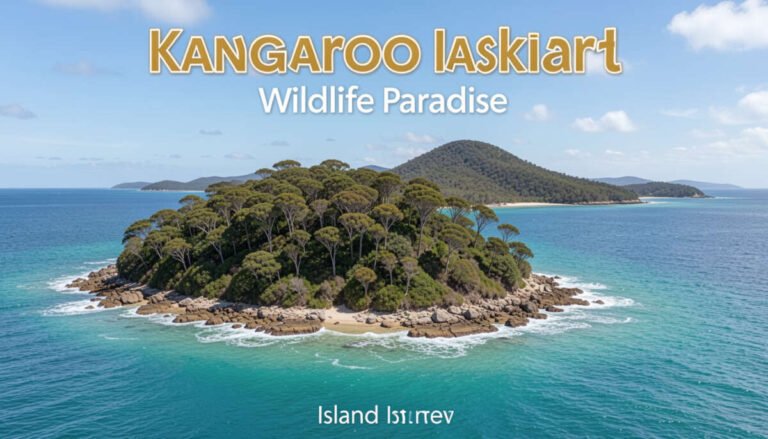
Location: South Australia
Size: ~4,416 km²
Kangaroo Island is one of the easiest large islands to visit—and one of the most rewarding.
- Home to kangaroos, koalas, sea lions, and penguins
- Stunning coastal rock formations
- Famous for honey and local food products
Top Attractions:
- Flinders Chase National Park
- Remarkable Rocks
- Seal Bay Conservation Park
- Perfect for a 2–3 day getaway from Adelaide.
4. Groote Eylandt – Hidden Gem of the North
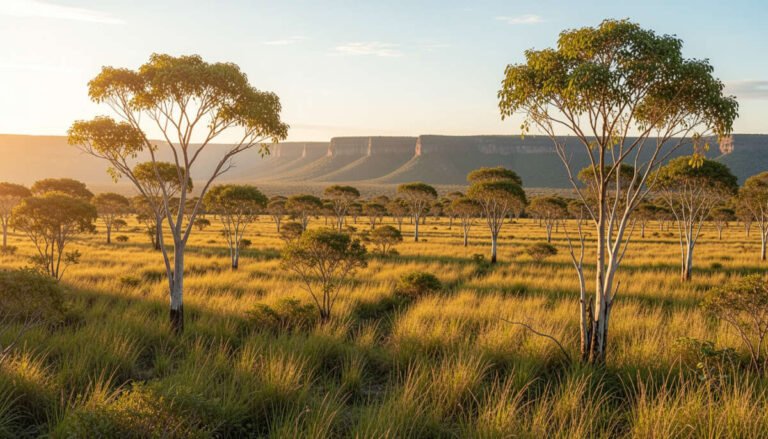
Location: Northern Territory (Gulf of Carpentaria)
Size: ~2,285 km²
Groote Eylandt is one of those places most travelers have never heard of—and that’s exactly what makes it special.
- Crystal-clear beaches with almost no crowds
- Strong Indigenous heritage
- World-class fishing opportunities
Best For:
- Adventure travelers
- Fishing enthusiasts
- Off-the-grid experiences
5. Bathurst Island – Cultural and Coastal Escape
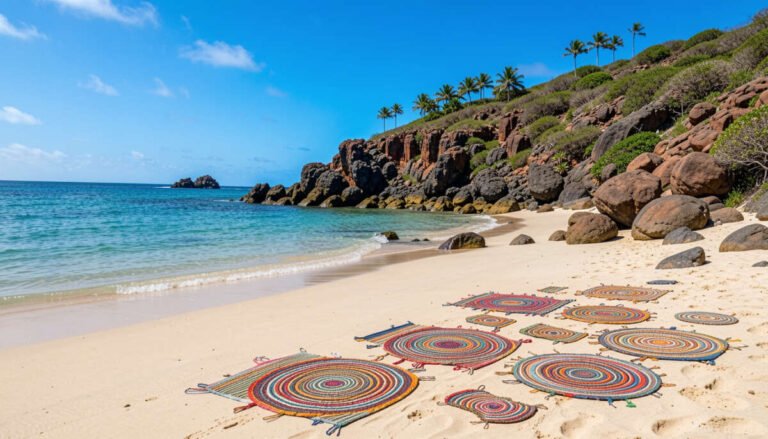
Location: Northern Territory
Size: ~1,693 km²
Bathurst Island, part of the Tiwi Islands group, offers a unique blend of culture, art, and coastal beauty.
Why Visit Bathurst Island?
- Known for Tiwi art and crafts
- Beautiful beaches and quiet landscapes
- Close connection to Indigenous traditions
- Visit local art centers
- Learn about Tiwi ceremonies and history
- Enjoy peaceful, uncrowded beaches
6. Fraser Island (K’gari) – The World’s Largest Sand Island
Location: Queensland
Size: ~1,840 km²
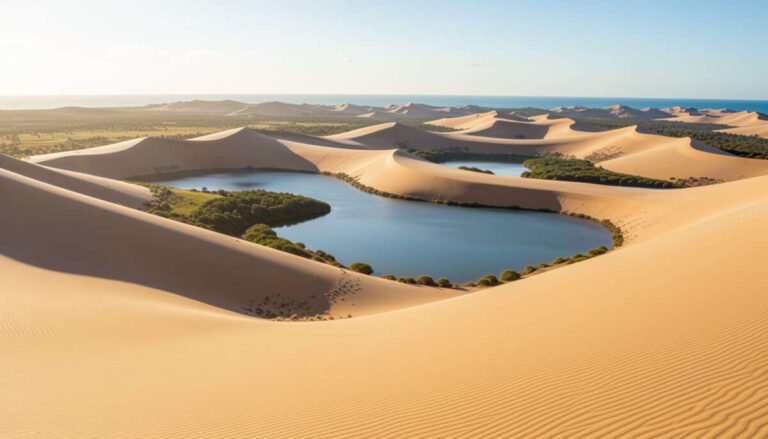
K’gari (formerly Fraser Island) is unlike any other island in the world. It’s the largest sand island on Earth, yet it’s covered with rainforests, freshwater lakes, and wild coastline.
- Unique mix of sand dunes and lush forests
- Home to famous dingoes
- Stunning freshwater lakes like Lake McKenzie
Top Experiences:
- Drive along 75 Mile Beach
- Swim in Eli Creek
- Explore Maheno Shipwreck
7. King Island – Australia’s Best-Kept Food Secret
Location: Between Tasmania and Victoria
Size: ~1,098 km²
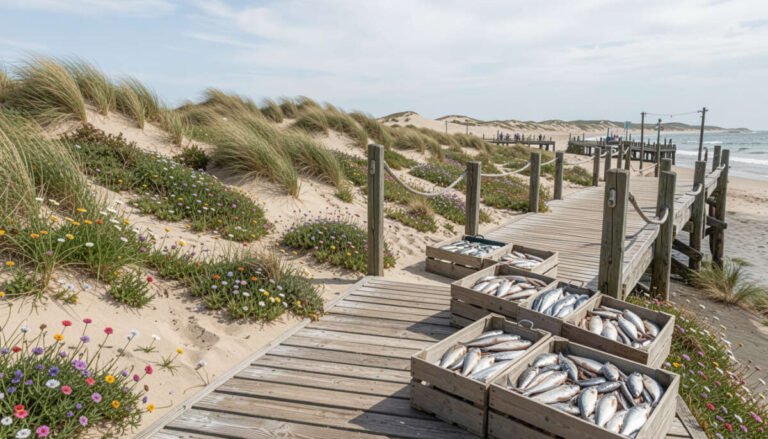
King Island might not be as famous as others, but those who visit quickly realize how special it is—especially if you love food.
- Famous for premium cheese and beef
- Dramatic coastlines and shipwreck history
- Quiet, uncrowded atmosphere
What to Do:
- Taste local produce at farm gates
- Visit historic lighthouses
- Walk along rugged coastal cliffs
- Flights are limited, so book early—this place is still under-the-radar but growing fast.
8. Flinders Island – Raw, Untouched Beauty
Location: Bass Strait, northeast of Tasmania
Size: ~1,367 km²
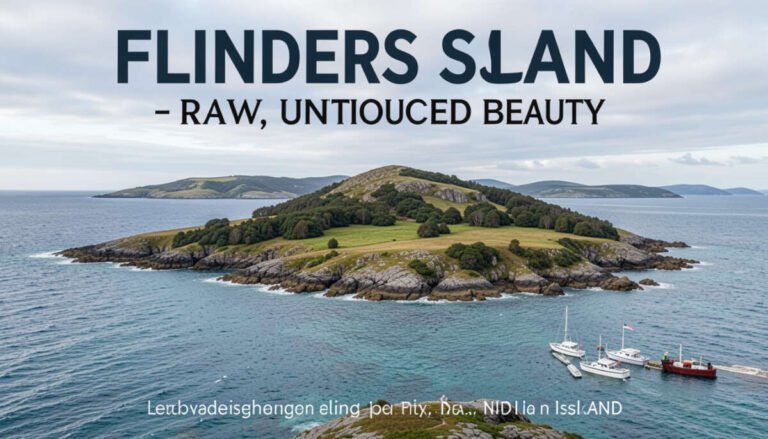
If you’re looking to truly disconnect, Flinders Island is one of the best places in Australia to do it.
- Peaceful landscapes with almost no crowds
- Incredible hiking opportunities
- Friendly small-community feel
Top Experiences:
- Climb Mount Strzelecki for panoramic views
- Walk along empty white-sand beaches
- Spot wildlife in the wild
- Travelers who want a slow, quiet, nature-focused trip.
9. Mornington Island – Cultural Depth Meets Nature
Location: Gulf of Carpentaria, Queensland
Size: ~1,002 km²
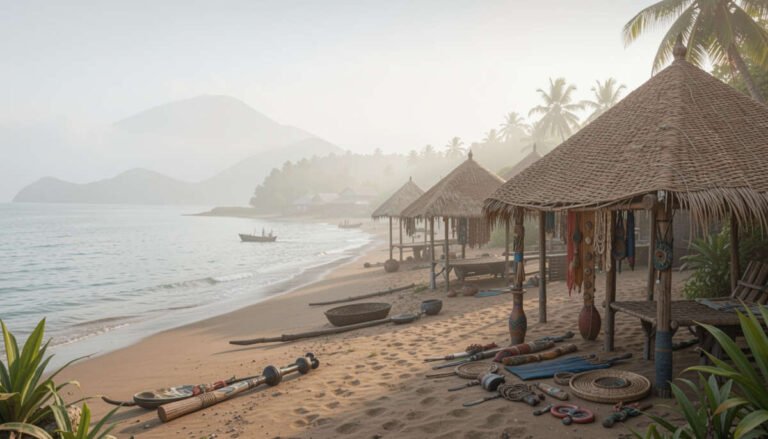
Mornington Island offers a blend of natural beauty and deep cultural significance.
- Rich Aboriginal heritage
- Remote and peaceful environment
- Great fishing and birdwatching
- Access is restricted—you’ll usually need permission or a guided trip to visit.
10. Hinchinbrook Island – A Hiker’s Paradise
Location: Near Townsville
Size: ~393 km²
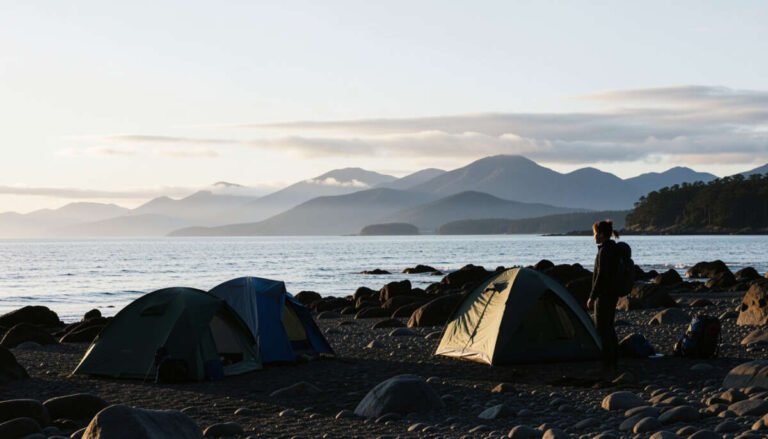
Hinchinbrook Island is smaller than others on this list, but it’s still one of the largest national park islands and easily one of the most beautiful.
- Home to the famous Thorsborne Trail
- Rugged mountains, waterfalls, and beaches
- Completely unspoiled wilderness
Top Experiences:
- Multi-day hiking along the coast
- Camping under the stars
- Spotting marine life offshore
- More info: Explore official details at Queensland Parks and Wildlife Service: https://parks.des.qld.gov.au/parks/hinchinbrook
Conclusion
Australia’s islands offer far more than most travelers expect. From the wild, expansive landscapes of Tasmania to the wildlife-rich shores of Kangaroo Island and the unique sand ecosystems of K’gari (Fraser Island), each destination brings something completely different to the table.
If you’re planning a trip in 2026, exploring at least one of these islands will give you a deeper, more authentic experience of Australia—away from the usual tourist crowds. Whether you’re into adventure, culture, or relaxation, there’s an island here that fits your travel style perfectly.
Frequently Asked Questions (FAQ)
Q1: How many islands are there in Australia?
Australia has over 8,000 islands, ranging from tiny coral islets to large, fully developed destinations.
Q2: What is the largest island in Australia?
The largest island is Tasmania, which is also one of the country’s six states.
Q3: Which island is best for first-time visitors?
Kangaroo Island is ideal for beginners because it’s easy to access and packed with wildlife and attractions.
Q4: What is the most unique island in Australia?
K’gari (Fraser Island) stands out as the largest sand island in the world, offering a rare mix of beaches, forests, and freshwater lakes.
Q5: Are all Australian islands easy to visit?
No. Some islands, especially in northern regions, require permits or guided tours, while others like Tasmania are very easy to explore independently.

I am Sabiq Hasan Rasel. Coffee with Travel, Recipes & Reviews is a cozy and engaging content space that blends a love of coffee with exciting travel experiences, delicious recipes, and honest reviews. It offers inspiration for coffee lovers who enjoy exploring new places, trying unique flavors, and discovering lifestyle tips along the way.