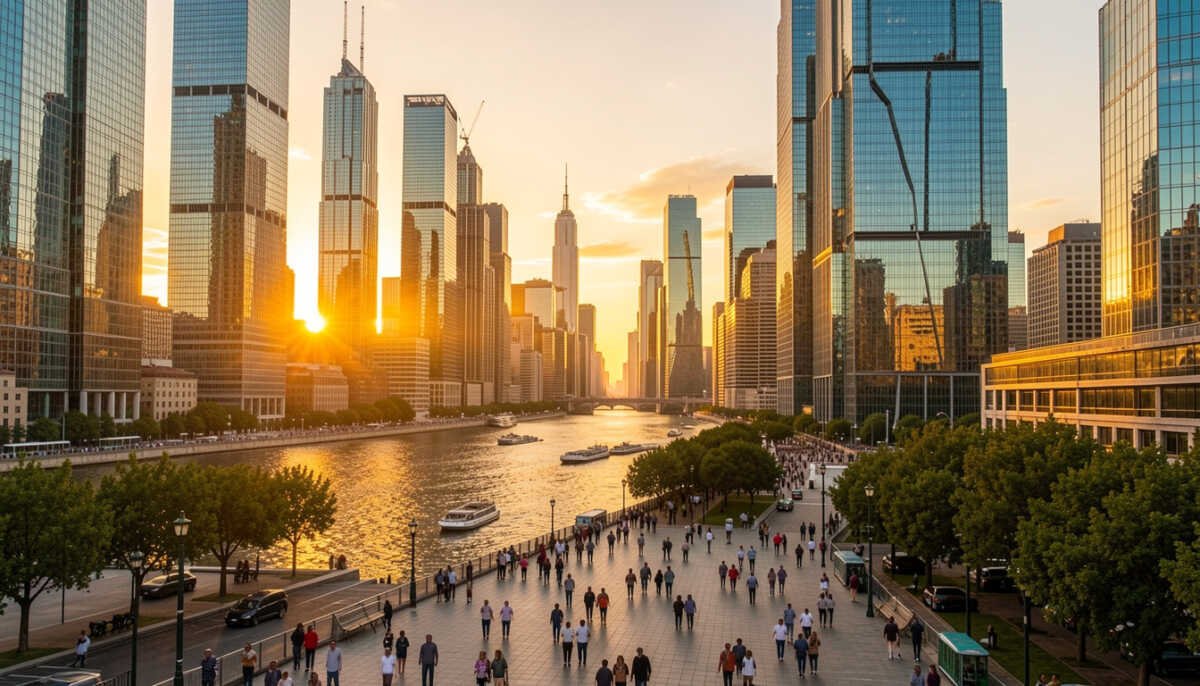

The Sydney Opera House is one of the most recognizable buildings in the world. Sitting on Bennelong Point beside Sydney Harbour, its sail-shaped design has become a global symbol of creativity, architecture, and culture. Every year, millions of visitors come to admire this iconic landmark—whether to attend a performance, take a guided tour, or simply enjoy the view with the harbour as a backdrop. But beyond the stunning architecture, the Opera House has a fascinating history filled with bold ideas, controversy, and incredible engineering achievements. In this guide, I’ll share 10 amazing facts about the Sydney Opera House and everything travelers should know before visiting in 2026.
1. The Design Came From an International Competition
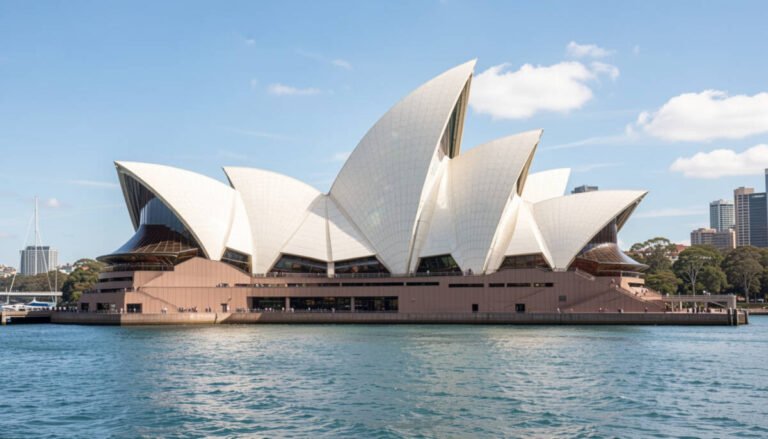
The story of the Sydney Opera House began in 1956 when the New South Wales government launched an international architecture competition to design a new performing arts center. The contest attracted 233 entries from architects in about 30 countries.
The winning design came from Danish architect Jørn Utzon. His bold concept featured sweeping shell-like roofs inspired by sails in Sydney Harbour.
Interestingly, Utzon was relatively unknown at the time. Yet his innovative vision completely changed modern architecture and turned the Opera House into one of the most famous buildings on Earth.
The architect even received £5,000 prize money for the winning design, which later brought him international recognition.
2. It Took 14 Years to Build (Instead of 4)
When construction began in 1959, planners expected the project to take only four years. In reality, it took 14 years to complete, finally opening in 1973.
Why the delay?
Several challenges slowed the project:
The roof shells were extremely complex to engineer.
New construction methods had to be invented.
Political disputes interrupted the project.
- At one point, disagreements between the architect and government officials forced Utzon to resign in 1966 before the building was finished.
- Even so, the final result became one of the greatest architectural achievements of the 20th century.
3. The Project Cost More Than 14 Times the Original Budget
One of the most surprising facts about the Sydney Opera House is how dramatically the construction costs increased.
Original estimate: about $7 million
Final cost: around $102 million
- Much of the funding came from a government-run lottery, which helped pay for the massive construction project.
- At the time, the budget blowout caused major controversy in Australia. But today, most people agree the investment was worth it—the Opera House now generates enormous tourism revenue and cultural value.
4. The Roof Is Covered With More Than 1 Million Tiles
One of the building’s most iconic features is its white sail-shaped roof.
These “shells” are actually made from more than one million ceramic tiles, arranged in two shades of white to reflect sunlight beautifully throughout the day.
Some other fascinating structural details:
Over 2,000 precast concrete roof segments
588 concrete pillars supporting the structure
The building stands about 67 meters high
- The complex engineering required to create the shells helped push architectural technology forward in the 20th century.
5. It’s One of the World’s Most Famous UNESCO Sites
In 2007, the Sydney Opera House was officially recognized as a UNESCO World Heritage Site because of its architectural and cultural significance.
According to UNESCO, the building represents a “masterpiece of human creative genius.”
Today it is not just an opera venue—it’s a massive performing arts complex that hosts thousands of events every year, including:
Opera performances
Symphony concerts
Theatre productions
Comedy shows
Film screenings
- More than 2 million people attend performances annually, making it one of the busiest cultural venues in the world.
6. The Sydney Opera House Has Multiple Performance Venues
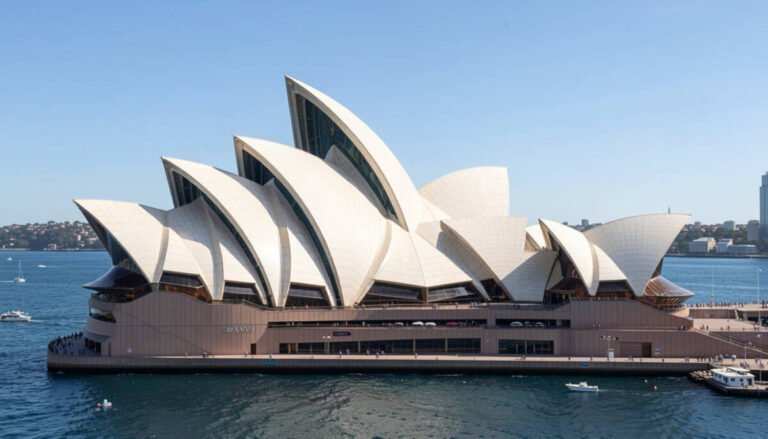
Many people assume the Sydney Opera House is just one theatre, but it’s actually a large performing arts complex with several different venues inside. The building contains six main performance spaces, each designed for different types of events.
The most well-known venues include:
Concert Hall – the largest venue, seating more than 2,500 people
Joan Sutherland Theatre – home to opera and ballet performances
Drama Theatre – used for plays and theatrical productions
Playhouse – an intimate theatre space
Studio – for contemporary performances and experimental shows
Utzon Room – a smaller venue designed by the original architect
- Together, these venues host more than 1,800 performances every year, attracting artists and audiences from around the world.
- You can explore the venues and upcoming shows on the official website: Visit the official site: https://www.sydneyoperahouse.com
7. Queen Elizabeth II Officially Opened It
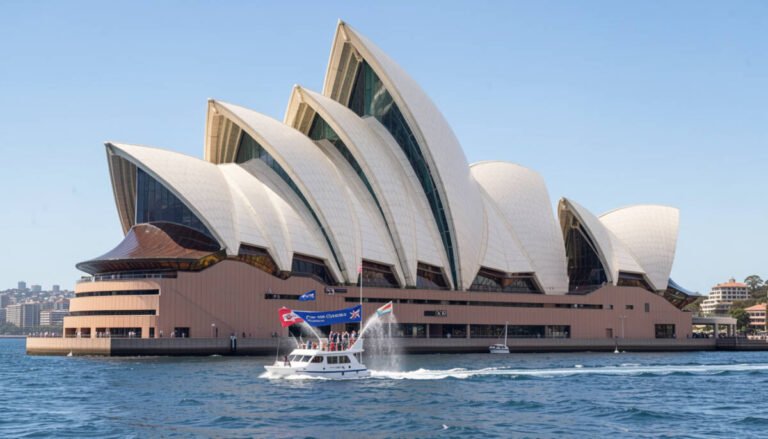
After more than a decade of construction, the Sydney Opera House officially opened on October 20, 1973.
The opening ceremony was led by Elizabeth II, who was the Queen of Australia at the time. The event included fireworks, concerts, and celebrations across Sydney Harbour.
Interestingly, the original architect Jørn Utzon did not attend the opening ceremony due to earlier political disagreements during construction.
Decades later, Australia recognized his contribution, and in 2003 he received the prestigious Pritzker Architecture Prize, often called the Nobel Prize of architecture.
8. It’s One of the Most Photographed Buildings in the World
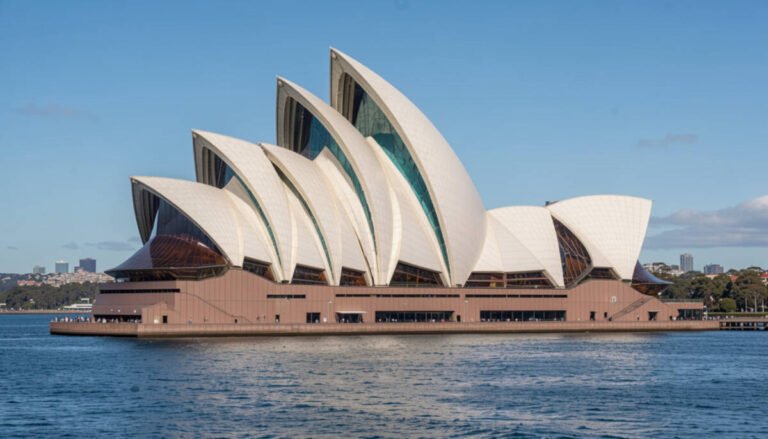
The Sydney Opera House isn’t just famous—it’s one of the most photographed landmarks on the planet.
Located in Sydney, the building sits right beside the iconic Sydney Harbour Bridge, creating one of the most recognizable skylines anywhere.
Travel photographers especially love capturing the Opera House during:
Sunrise over Sydney Harbour
Golden hour at sunset
Nighttime when the sails are illuminated
Major light events like Vivid Sydney
- During the Vivid Sydney festival, the sails become a giant canvas for colorful projections and digital art, attracting millions of visitors each year.
9. The Concert Hall Has One of the World’s Largest Pipe Organs
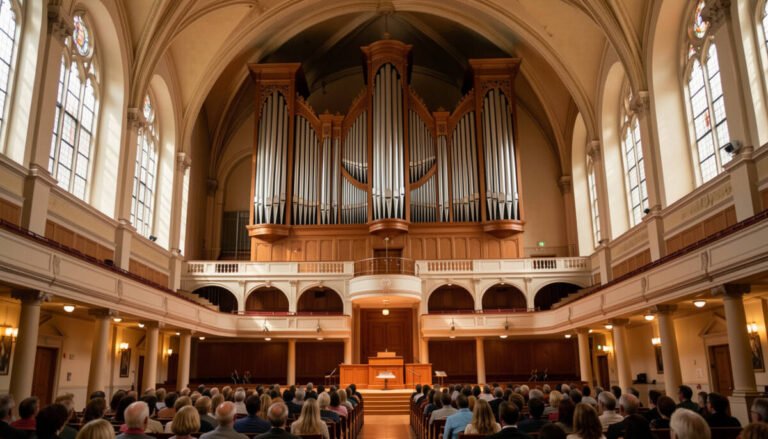
Inside the Opera House’s main Concert Hall sits an incredible musical instrument: the Grand Organ.
It is the largest mechanical pipe organ in the world, containing over 10,000 pipes. The instrument took nearly ten years to build and was completed in 1979.
The organ is used for:
Symphony orchestra performances
Classical concerts
Special organ recitals
Major cultural events
- Because of its size and sound power, it can fill the entire hall with music without electronic amplification.
10. More Than 10 Million People Visit Every Year
The Sydney Opera House isn’t just a performing arts venue—it’s also one of Australia’s top tourist attractions.
Each year:
Over 10 million people visit the site
Around 2 million attend performances
Thousands take guided tours of the building
Many visitors come simply to walk around Bennelong Point, where the Opera House stands, to enjoy the harbour views and nearby attractions.
- The area arounzd the Opera House also connects easily to:
Circular Quay
Royal Botanic Garden Sydney
Ferry terminals for harbour cruises
- This makes the Opera House one of the easiest landmarks to visit while exploring Sydney.
Sydney Opera House Visitor Guide (2026)
The Sydney Opera House is one of the most famous cultural landmarks in the world. Located on the waterfront at Bennelong Point in Sydney, this UNESCO-listed building attracts more than 10 million visitors every year and hosts thousands of performances annually.
If you’re planning to visit in 2026, this guide covers everything travelers usually want to know—tickets, tours, best visiting times, and useful tips.
Where the Sydney Opera House Is Located
The Opera House sits on Bennelong Point in Sydney Harbour, close to major attractions like the Sydney Harbour Bridge and the Royal Botanic Garden Sydney.
Address:
Bennelong Point, Sydney NSW 2000, Australia.
It’s about a 7–10 minute walk from Circular Quay, one of the city’s main transport hubs. Visitors can reach the Opera House by train, ferry, bus, light rail, bicycle, or on foot.
Opening Hours (2026)
The Sydney Opera House precinct is generally open daily from around 9:00 AM until late evening, depending on performance schedules and events.
Typical visitor hours include:
Guided tours: roughly 9:00 AM – 5:00 PM
Box office: varies depending on performances
Restaurants and bars: open through lunch and evening
- Because performances take place throughout the day and night, closing times may change based on the event schedule.
- For updated schedules and events: Visit the official website: https://www.sydneyoperahouse.com/vis
Sydney Opera House Tours (2026)
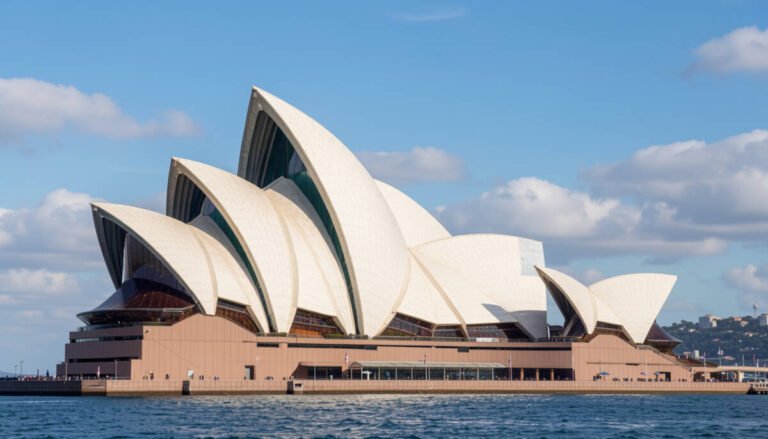
One of the most popular ways to experience the building is by joining a guided tour.
The official Sydney Opera House Tour lasts about 1 hour and takes visitors inside the iconic halls beneath the famous sails.
Tour highlights include:
The history of the building’s design and construction
Behind-the-scenes stories of famous performances
Viewing several performance venues inside the complex
Learning about the architecture by Danish architect Jørn Utzon
- Tours run daily and involve walking about 2.5 km and climbing roughly 300 stairs, so comfortable shoes are recommended.
Approximate ticket prices:
Adults: about AUD $50
Children (5–15): about AUD $30
Family pass: about AUD $130
- Children under 5 can join for free.
What to See Inside the Opera House
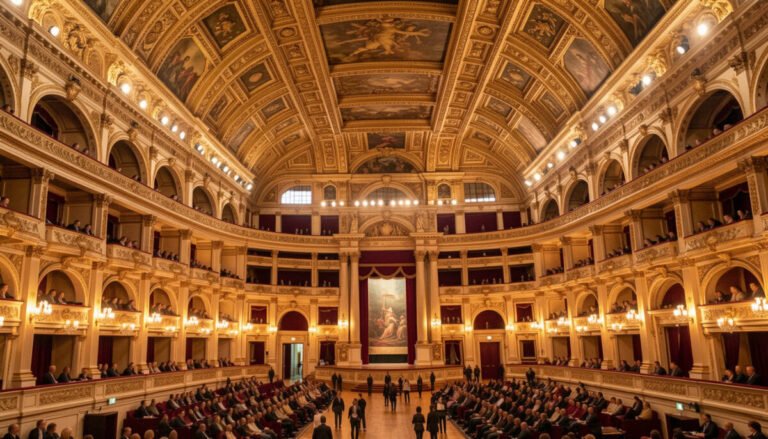
Many visitors don’t realize the building contains several different performance venues.
Some of the most important spaces include:
Concert Hall – the largest venue, hosting orchestras and concerts
Joan Sutherland Theatre – home of opera and ballet performances
Drama Theatre – plays and theatrical productions
Playhouse – smaller contemporary performances
- Together these venues host over 1,800 performances each year, attended by more than a million people.
Best Time to Visit
The Opera House is beautiful at any time of day, but some moments are especially memorable.
Morning (9–11 AM): Best for guided tours and fewer crowds.
Afternoon (3–6 PM): Golden light makes the sails glow—perfect for photography.
Evening: The building lights up, and cultural projections called Badu Gili are displayed on the sails after sunset.
How to Get There
Most travelers arrive through Circular Quay, which is connected to Sydney’s train, ferry, and bus network.
From Circular Quay:
Exit toward the harbour
Walk along the waterfront promenade
Follow signs toward the Opera House
- The walk takes about 7–10 minutes and offers spectacular harbour views.
Final Thoughts
The Sydney Opera House is more than just an architectural masterpiece—it’s one of the world’s most important cultural landmarks. From its iconic sail-shaped design to its world-class performances, the Opera House continues to attract millions of visitors every year. Whether you’re attending a concert, taking a guided tour, or simply enjoying the harbour views, visiting this landmark is an unforgettable experience for anyone traveling to Sydney.
Frequently Asked Questions (FAQs)
1. Where is the Sydney Opera House located?
The Sydney Opera House is located at Bennelong Point in Sydney, right beside the famous Sydney Harbour Bridge.
2. Can you go inside the Sydney Opera House?
Yes. Visitors can explore the interior by booking guided tours or attending concerts, theatre shows, or other live performances.
3. How long does a Sydney Opera House tour take?
Most official tours last about one hour, giving visitors time to explore several performance halls and learn about the building’s history.
4. What is the best time to visit the Sydney Opera House?
Early morning and sunset are the best times. Morning visits usually have fewer crowds, while sunset offers beautiful lighting for photography.
5. Is the Sydney Opera House a UNESCO World Heritage Site?
Yes. The Sydney Opera House was listed as a UNESCO World Heritage Site in 2007 because of its architectural and cultural significance.

I am Sabiq Hasan Rasel. Coffee with Travel, Recipes & Reviews is a cozy and engaging content space that blends a love of coffee with exciting travel experiences, delicious recipes, and honest reviews. It offers inspiration for coffee lovers who enjoy exploring new places, trying unique flavors, and discovering lifestyle tips along the way.